Mr. Bal Malkit Singh, Advisor & Former President, All India Motor Transport Congress, Executive Chairman – Maharashtra State Punjabi Sahitya Academy, Government of Maharashtra, Advisor – Federation of Bombay Motor Transport Operators, Former President – Bombay Goods Transport Association, shares why financial sustainability, technology adoption and policy stability will be critical to building a resilient road transport ecosystem by 2030.
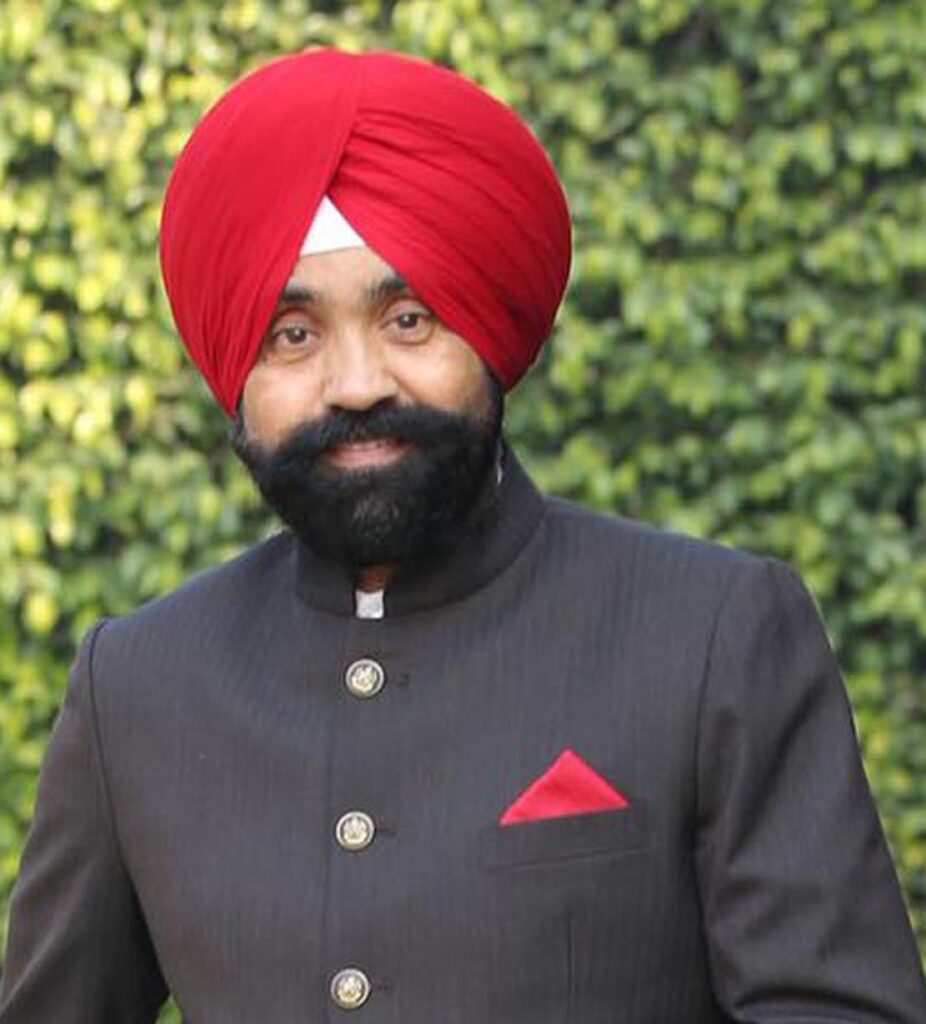
With decades of experience as an industry leader through Bal Roadlines and various national transport bodies, Mr. Bal Malkit Singh believes India’s road transport sector is entering one of its most challenging and transformative decades. While cleaner mobility, digital technologies and multimodal logistics will reshape the industry, he believes the immediate priority must be protecting the commercial viability of transport operators. “Technology can improve efficiency, but a financially sustainable transport ecosystem is essential to drive long-term industry transformation,” he shared.
He pointed out that transport operators today are under unprecedented pressure from shrinking freight margins, rising fuel prices, higher vehicle acquisition and maintenance costs, increasing tolls, insurance premiums, finance costs and stricter regulatory compliance. Global geopolitical uncertainties, supply chain disruptions and fluctuating manufacturing activity have further weakened freight demand, leading to lower fleet utilisation and intense competition.
According to Mr. Singh, the industry’s biggest challenge is not simply adopting new technologies but ensuring that transport businesses remain profitable enough to invest in modern fleets and cleaner mobility solutions. He believes freight rates must gradually evolve towards a cost-based pricing ecosystem that reflects the true cost of transportation and supports long-term sustainability.
Technology, Multimodal Logistics and Policy Collaboration
Looking towards 2030, Mr. Singh expects technology to become a major driver of operational efficiency. Wider adoption of telematics, AI-enabled route optimisation, predictive maintenance, digital documentation, integrated logistics platforms and data-driven fleet management will help reduce operating costs, improve fleet utilisation and deliver more reliable services.
He also foresees stronger integration between road, rail, inland waterways and coastal shipping, creating a more efficient multimodal logistics network. While road transport will continue to serve as the backbone of freight movement through first-mile and last-mile connectivity, closer coordination with other transport modes will improve national logistics competitiveness. “India needs a technology-neutral approach where electric, LNG, Bio-CNG, hydrogen and other fuel options coexist based on commercial viability and operational suitability,” he shared.
For Bal Roadlines, the vision for 2030 extends beyond fleet operations. The company advocates a transport ecosystem built on policy stability, ease of doing business, technology-driven efficiency and fair commercial practices. He believes only through close collaboration between government, industry stakeholders and technology providers can India create a resilient, globally competitive and future-ready road transport sector that supports sustainable economic growth.
“Technology can improve efficiency, but a financially sustainable transport ecosystem is essential to drive long-term industry transformation.”