Automakers’ body calls the new fuel-efficiency norms “aggressive” but predictable, saying they will unlock investment and give buyers more technology choices.
The Society of Indian Automobile Manufacturers (SIAM) has welcomed the Government of India’s notification of the third phase of Corporate Average Fuel Efficiency norms, CAFE III, for passenger vehicles. The rules take effect from 1 April 2027.
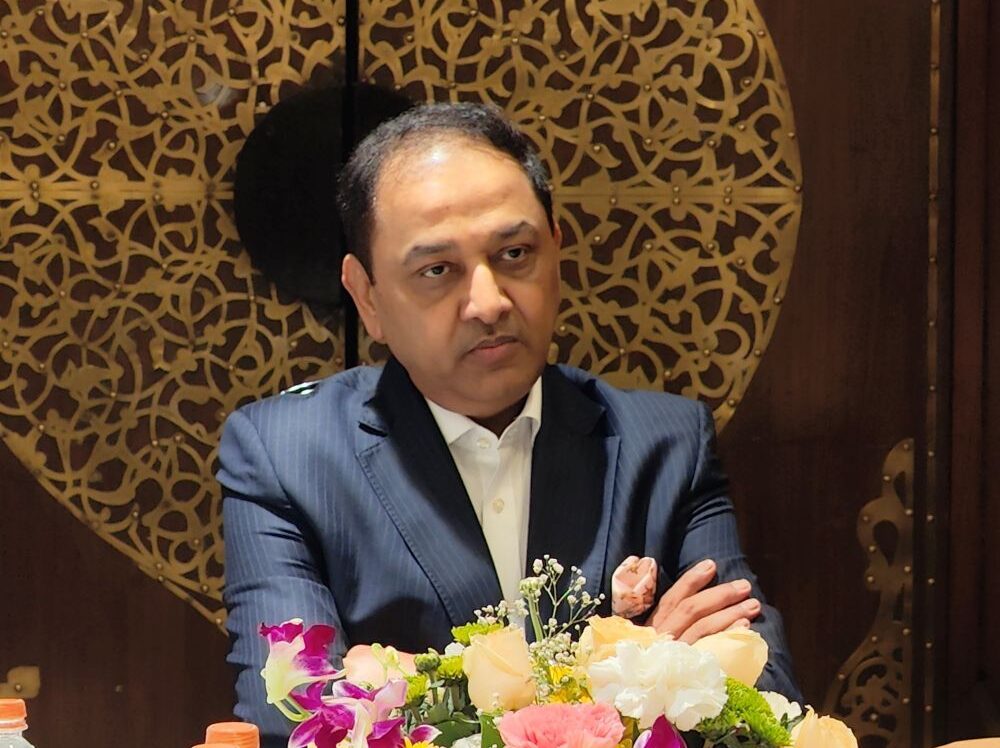
Mr. Shenu Agarwal, President, SIAM, said the regulation sets a structured five-year roadmap with aggressive annual targets. He added that a market-based compliance mechanism will let carmakers pursue multiple technology pathways to meet them.
“Automobile industry appreciates and welcomes the release of CAFÉ III Notification for Passenger Vehicles by Government of India from 1st April 2027 onwards,” Agarwal said in a statement.
He said the norms will cut overall fuel consumption from the new passenger vehicle fleet. They will also give the industry room to work on various technology pathways, “providing multiple choices to the consumers.”
Agarwal stressed that the framework “provides clear predictability.” This, he said, will help automakers plan investments and accelerate innovation, playing an important role in India’s journey towards Viksit Bharat by 2047.
He also thanked the government for a “detailed and transparent consultative approach.” According to SIAM, the regulation was framed after an objective and balanced assessment of various clean technology options.
The CAFÉ III norms push carmakers to cut fleet fuel use by about 17% over five years, while leaving them free to choose how. Electric cars earn the richest credits, but hybrids, CNG, ethanol and efficiency upgrades all count, which matches SIAM’s call for multiple consumer choices.
For buyers, that points to a wider mix of powertrains in showrooms rather than a single forced shift. For manufacturers, the fixed five-year schedule and a rising credit price give a clear cost of falling behind, supporting the investment planning SIAM highlighted.