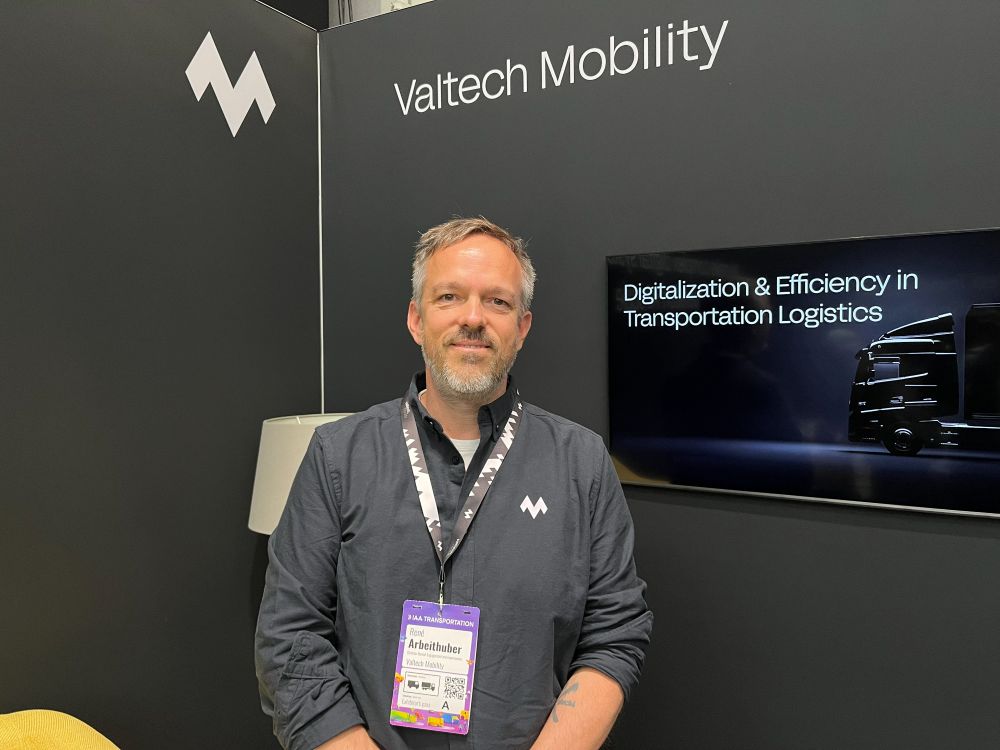
Making its debut at IAA Transportation, Valtech Mobility, a company with more than 25 years of experience in connected vehicle software, is expanding beyond passenger cars into commercial vehicles and logistics.
Mr. Rene Arbeithuber, Creative Director, Valtech Mobility, told this publication that the company works across the entire software chain needed to build connected vehicle services, from backend platforms to front-end user experience design. Rather than simply handing over software and walking away, he said it works to understand how each OEM operates, including its people, structure and workflows. The aim is to help maximise vehicle uptime, a key priority for manufacturers focused on total cost of ownership.
On digitalisation and efficiency, he highlighted its “AI Quick Check,” a consulting-style workshop rather than a product, designed to help OEMs identify where AI can genuinely add value. Through this process, the company works with customers to review how they already use AI, weigh the costs, check how ready their employees are, and find where AI makes practical sense. It treats this as a discovery exercise rather than a one-size-fits-all solution. The approach draws partly on Valtech Mobility’s own experience of gradually rolling out AI within the company over the past two to three years.
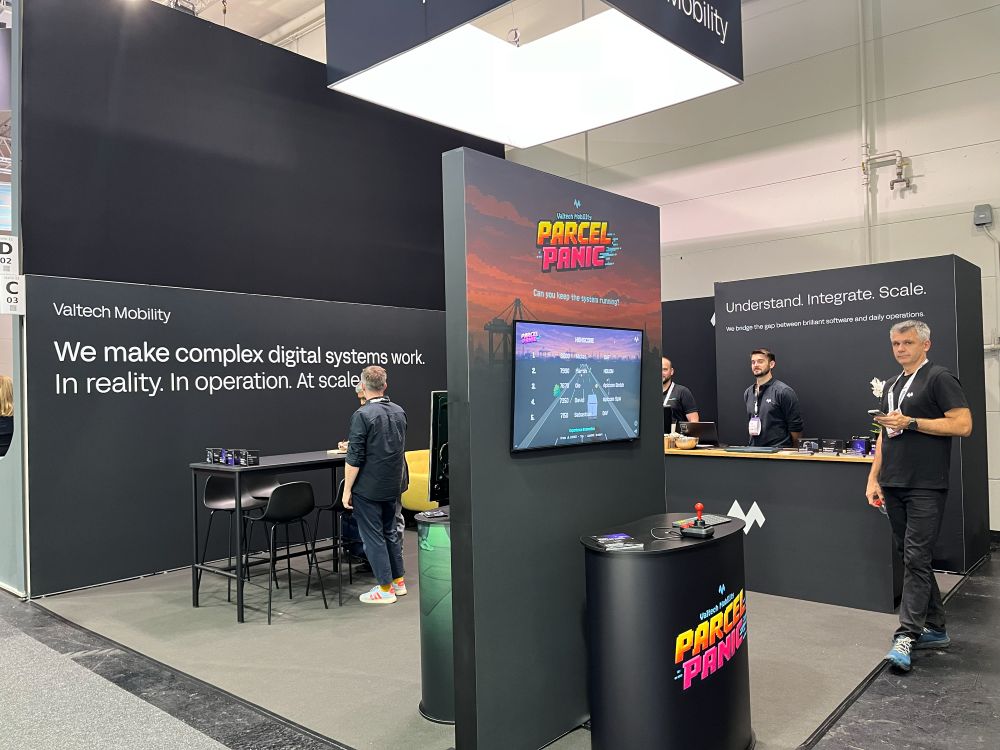
Mr. Arbeithuber said the company works with both OEMs and Tier 1 suppliers and is now carefully moving into logistics. The sector is still new for Valtech Mobility, but it sees strong similarities with the complex ecosystems and large platforms it has long handled in passenger vehicles. The company doesn’t yet have a dedicated logistics offering. Even so, it believes its experience in solving complex problems involving many stakeholders can help logistics companies with priorities such as route planning and making better use of cargo space.
Looking ahead, he said Valtech Mobility’s five-year plan centres on becoming more versatile, deepening its presence in commercial vehicles and logistics while also exploring opportunities in adjacent industries like IoT and manufacturing. Acknowledging that the automotive industry has seen better days, he said its broader strategy is rooted in flexibility, recognising that the expertise built over 25 years in automotive software has real relevance beyond the sector it originated in.