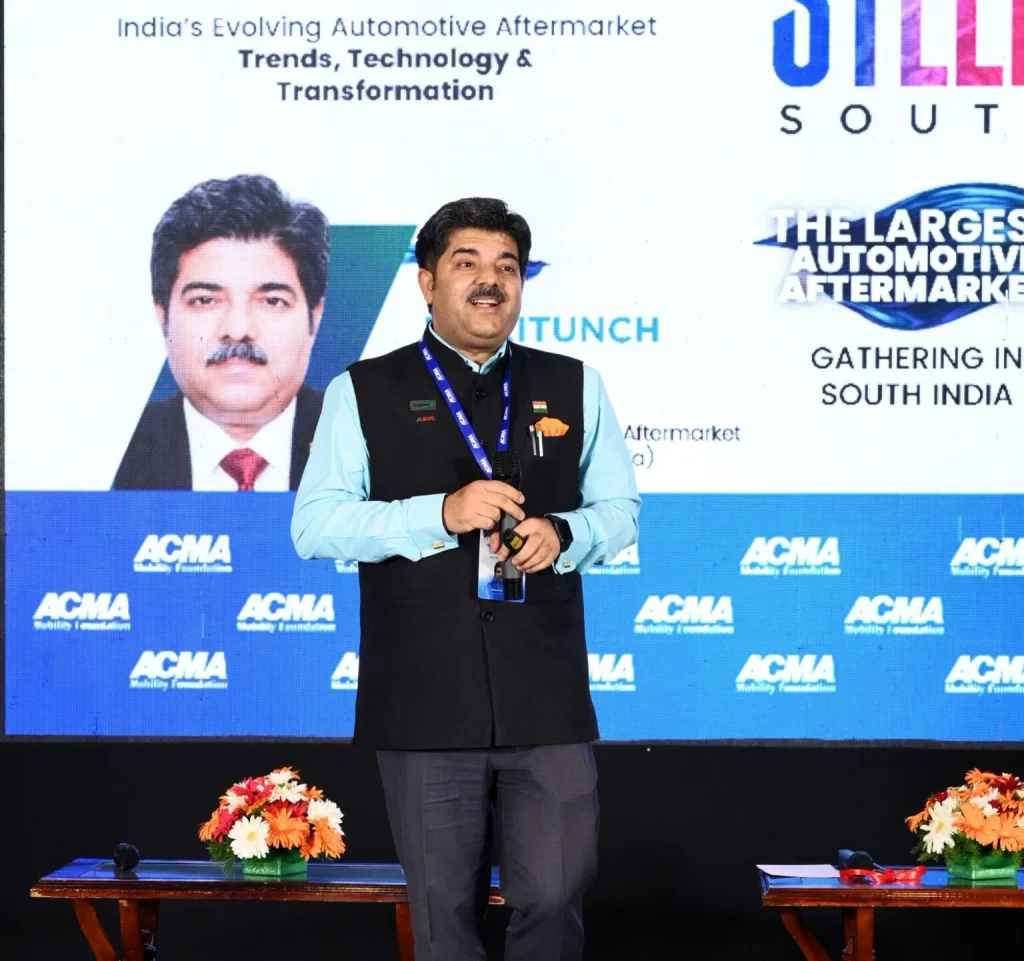
India’s automotive aftermarket is expanding steadily, but businesses must adapt to changing powertrain technologies, increasingly complex vehicle systems and evolving customer needs. Speaking at ACMA STEER South, Ritunch Gupta, Vice President, Sales & Marketing – Aftermarket, Banco Products (India) Limited, highlighted the market’s growth potential and the need for data-led decisions, digital diagnostics, mechanic training and industry collaboration.
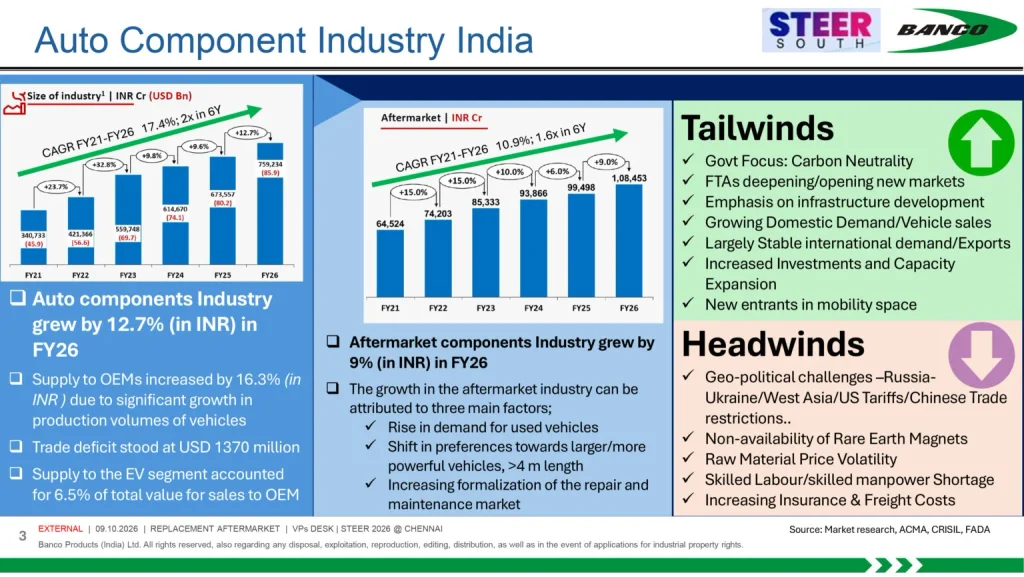
Mr. Gupta estimated India’s domestic auto components aftermarket at nearly ₹1 lakh crore in FY26, rising to around ₹4 lakh crore when batteries and lubricants are included. Over the past six years, the domestic components aftermarket recorded a compound annual growth rate (CAGRFY21-FY26) of 10.9%, growing 1.6 times. The broader automotive market, including exports and OEM business, recorded a 17.4% CAGR (FY21-FY26) and expanded 2.4 times.
He also highlighted the opportunity presented by more than 14 free trade agreements covering over 28 countries, encouraging businesses to use these agreements to explore export markets alongside imports.
“Companies should take advantage of these FTAs, not only for imports but also to explore export markets. Using market data effectively can give businesses the confidence to invest in countries they may not have considered earlier. The industry needs to look beyond familiar markets and identify opportunities where Indian automotive products can compete and grow,” he shared.
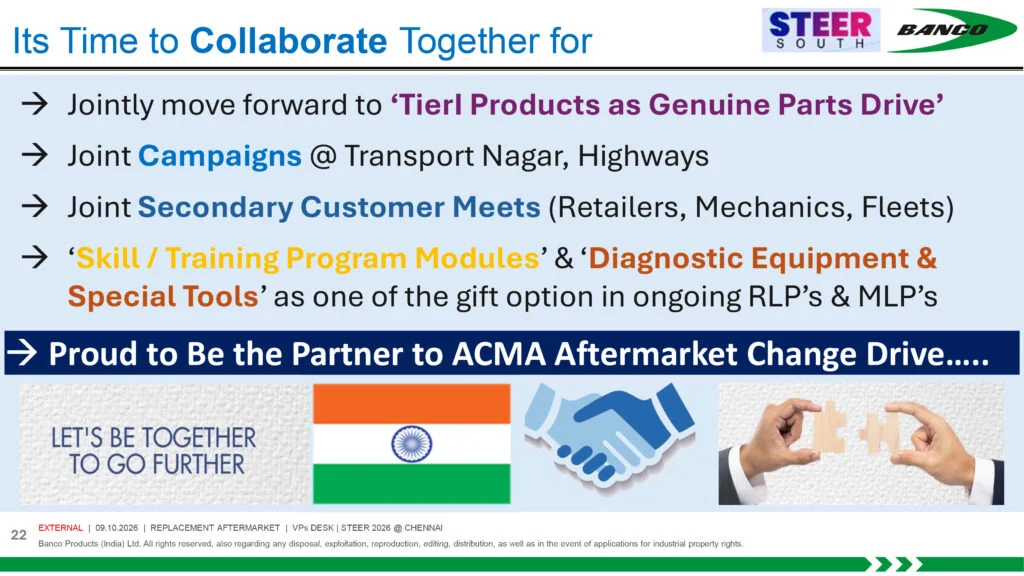
Mr. Gupta shared at Banco Replacement Aftermarket, we are launched Project AMD 3.0 UDAAN with key goals: driving Genuine Parts promotion; creating secondary pull through independent workshops; advancing skill development (Up-Skilling, RE-Skilling, Trainings etc); & Improve Service Level: Just-In-Time (JIT) service strategy.
Powertrain transition and aftermarket opportunity
Mr. Gupta emphasised that investment decisions must reflect the different adoption rates of powertrain technologies across vehicle segments. Electric vehicles account for around 6–7% of two-wheeler sales, 61% of three-wheeler sales and 4.5–4.6% of passenger vehicle sales, putting overall EV penetration at approximately 6%during FY26. Meanwhile, diesel continues to account for more than 80% of commercial vehicles, while gas-powered vehicles also retain a presence in the market.
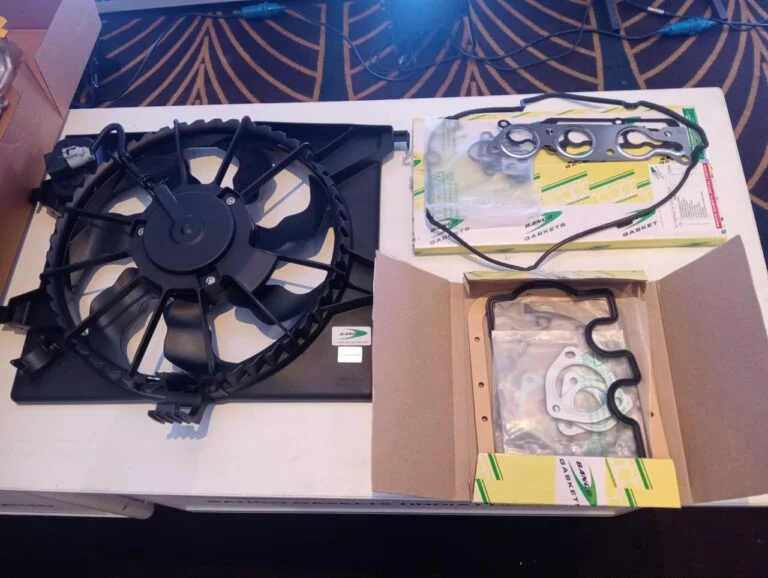
Looking ahead, the presentation’s forecasts indicated that gasoline-based powertrains, including relevant CNG and hybrid configurations, could account for nearly 60% of the passenger vehicle mix in 2034. EV penetration was projected to reach 6–7% over the next eight to nine years. A broader fuel-mix projection towards 2036 suggested that CNG and natural gas could account for 23–24% of the market, while diesel’s share could decline from 13–14% to 2–3%.
Emission regulations, including Corporate Average Fuel Economy (CAFE) requirements, and the introduction of flex-fuel options such as E85 and E100 will influence this transition. He noted that around 32 models from six manufacturers were expected to be introduced at the following year’s Auto Expo/Bharat Mobility event, including 14 EVs, alongside other hybrid, CNG and hydrogen-powered offerings.
Despite these changes, he stressed that the internal combustion engine (ICE) aftermarket would continue to offer opportunities for years to come. The key, however, is to follow changing vehicle ownership and service patterns beyond major cities.
“The IC engine business will not disappear overnight. The aftermarket has an opportunity for almost another 20 years, but businesses must follow customers into Tier 3, Tier 4 and interior markets as vehicle ownership and service requirements evolve. Companies must plan for this shift while preparing for new technologies and changing customer expectations,” he explained.
Digitalisation raises the need for diagnostics
As vehicles become increasingly dependent on sensors, electronic control units (ECUs) and connected systems, repair and maintenance require more specialised skills. He cited an estimated 20 lakh workshops across India, many of which continue to operate in the independent and roadside segments.
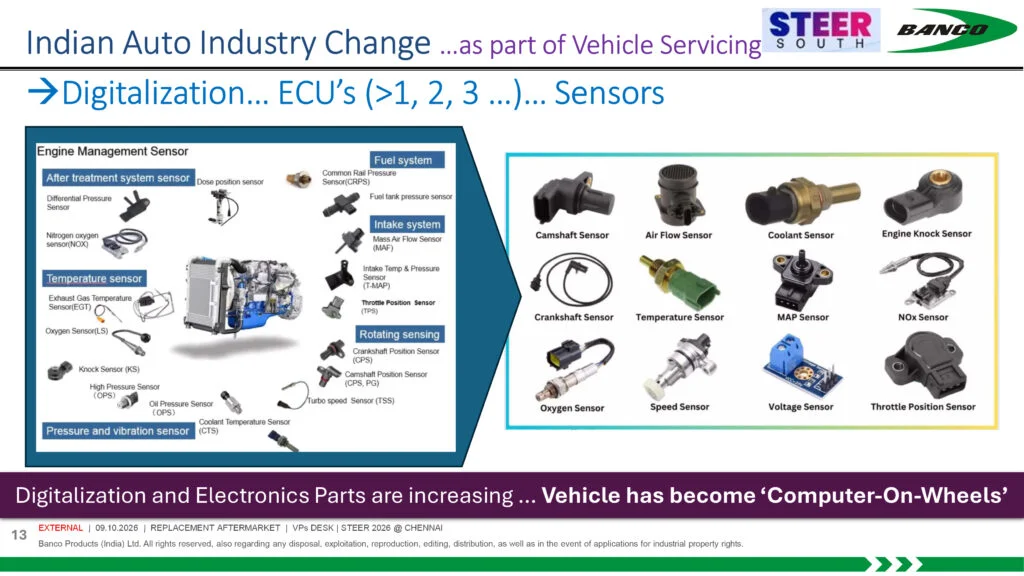
Banco’s digital application has around 18,900 customers, including approximately 7,000 mechanics. Feedback from this network highlighted the need to strengthen diagnostic capabilities. He also described instances of vehicles continuing to operate with warning lights illuminated after faults had been bypassed, underlining the potential safety and maintenance risks.
“Digitalisation is becoming unavoidable across the aftermarket. Sensors and ECUs are changing how vehicles must be diagnosed and repaired. We need to equip mechanics with the right skills and tools instead of allowing them to bypass warning systems. Diagnostics and training must advance together if workshops are to service newer vehicles safely and effectively,” he said.
Training and collaboration are critical
Mr. Gupta highlighted the role of the Automotive Skills Development Council (ASDC) and ACMA in preparing the aftermarket workforce for technological change. According to his presentation, nearly five lakh people were trained during the previous year through skill-development initiatives by ASDC, with close to 140 programmes available. Specialised Recognition of Prior Learning (RPL) programmes also help address the needs of mechanics whose practical experience may not be supported by formal educational qualifications.
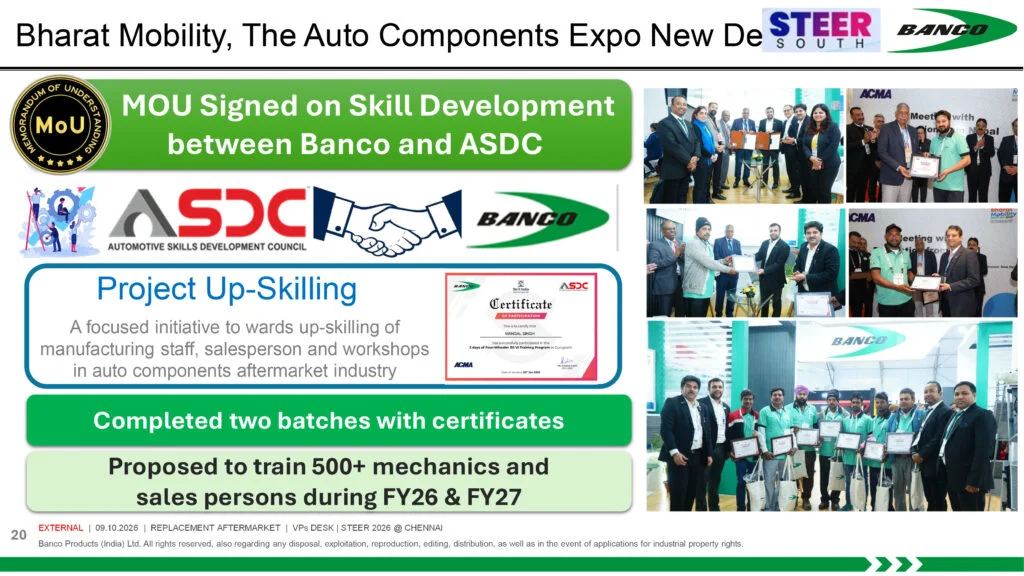
He cited at Banco we have a clear strategy to upskill the independent garages / workshop in collaboration with ASDC & ACMA. Additionally, Banco’s collaboration with Federal-Mogul, through which mechanic meets were conducted, as an example of how companies can build stronger relationships with workshops and encourage product awareness through collaboration. Similar collaborations to be initiated with in ACMA members. He also called for greater participation from distributors, retailers, manufacturers and organised workshop networks.
“The three Cs are communication, collaboration and coordination. We must work together to reach more customers and support workshops across the country. This is not just about growing individual businesses; it is about strengthening the aftermarket as a whole. By sharing knowledge, improving access to diagnostics and investing in skills, the industry can build a stronger safer service ecosystem,” he concluded.