By M.C. Bantwal, Managing Director, SATRAC
India has definitely come a long way in the evolution of the trailer and truck body-building industry. Many years ago, this industry was predominantly made up of roadside units manufacturing substandard products, with trailers and bodies that were highly unsafe, extremely heavy and prone to frequent breakdowns.
When I started SATRAC, we had a single mission – to transform this industry. Customers gradually realised that, just as the truck itself is important, the body or trailer is equally critical, as is the case in Europe and the USA. This helped us rewrite the way the industry operated, and we became pioneers in the organised sector by manufacturing high-quality products that matched global standards. As Indian fleets grew larger, customers increasingly demanded reliability along with the lowest total cost of ownership.
Another important factor was the customer’s need to optimise operations. This led us to innovate by offering products that delivered measurable improvements in payload capacity and overall operational efficiency. Furthermore, as seen in developed markets, we developed products that were custom-built for specific applications, such as steel coil trailers, bulk carriers, etc.
Personally, I would like to see the industry evolve towards manufacturing high-quality, safe products. Even today, trailers manufactured by roadside fabricators remain a serious safety concern, with thousands of them operating on Indian roads every day and creating significant safety hazards. While we have the necessary regulations, we need to become much more stringent in implementing them at every level. I am confident that both the regulatory authorities and customers themselves will increasingly recognise the benefits of using high-quality, safe and reliable trailers.
Vision vs Reality: The Road to 2030
By 2030, my aspiration is to see the Indian truck application industry reach a much higher level of maturity. Traditionally, India has been a rigid truck market, unlike the internationally prevalent truck-and-trailer combination. As we had always predicted, this is now changing rapidly, with transporters increasingly moving towards truck-and-trailer combinations that offer higher payloads and the lowest transportation cost per tonne.
However, the entire ecosystem has to evolve. India has one of the lowest run rates, in terms of the number of kilometres a truck travels annually, anywhere in the world. Our trucks generally cover around 60,000 km per year, compared to around 300,000 km per year in China – nearly five times higher than in India. This is alarming because asset utilisation remains very low, while other operating costs such as driver salaries, EMIs and related expenses continue irrespective of utilisation. There are several reasons for this, and this situation has to change.
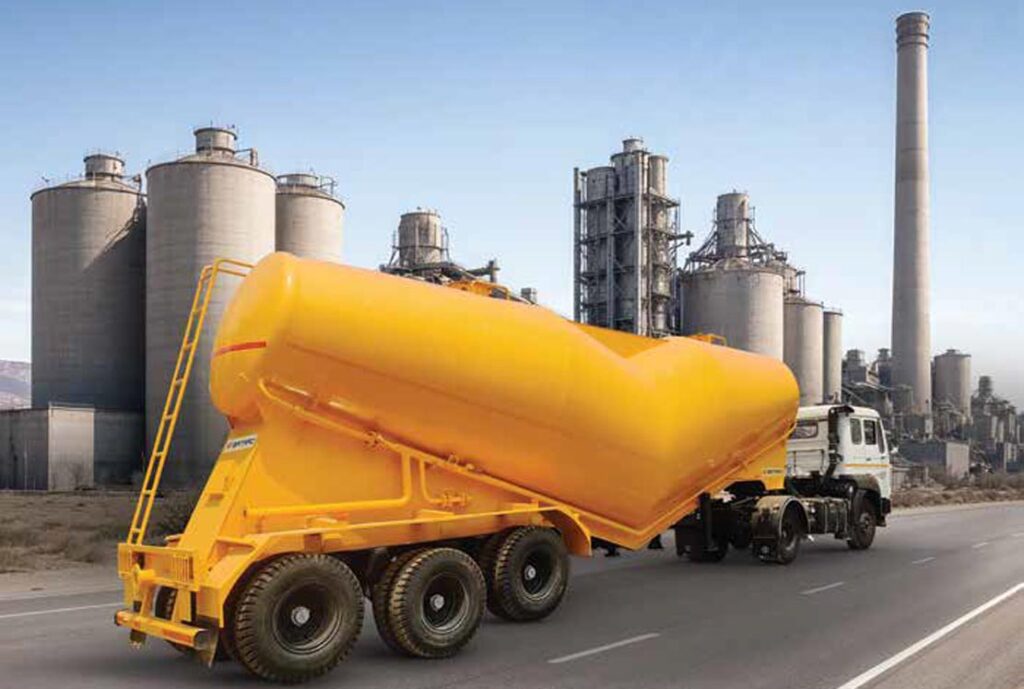
Swappable trailers, which are now legally permitted, can significantly improve truck run rates by minimising time lost during cargo pick-ups. Driver waiting time during loading is greatly reduced, resulting in much higher asset productivity. Today, the USA operates with around 3.5 trailers per truck, and I see India gradually moving in that direction.
Higher-powered trucks capable of covering longer distances and higher annual kilometres will also become increasingly important. Consequently, trailers too will have to be built to the highest quality standards to match these demanding duty cycles. For companies like ours, whose trailers are designed for unmatched performance in heavy-duty operations, such usage will become a necessity for customers. Supporting this level of utilisation will also require an efficient pan-India service network, which we already have.