By Chris Fisher, Senior Commercial Vehicle Analyst and Jim Downey, Vice President – Global Data Products, Power Systems Research

The Power Systems Research Truck Production Index (PSR-TPI) increased from 115 to 128, or 11.3%, for the three-month period ending June 30, 2026, from Q1 2026. The year-over-year (Q2 2025 to Q2 2026) gain for the PSR-TPI was, 127 to 128, or 0.8%.
The PSR-TPI measures truck production globally and across six regions: North America, China, Europe, South America, Japan & Korea and Emerging Markets. This data comes from OE Link™, the proprietary database maintained by Power Systems Research.
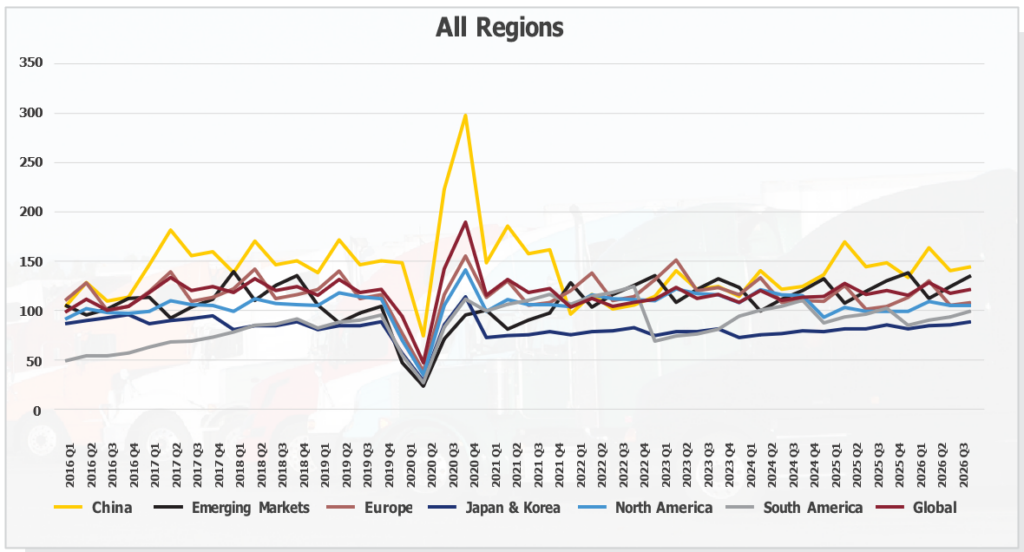
All Regions: MHCV demand will vary by region in 2026. North America and Europe have seen orders increase through much of the first half of the year and vehicle demand is expected to improve somewhat over last year. China is expected to see a single digit decline in production much of the decline comes on the heels of very high levels of production in 2025.
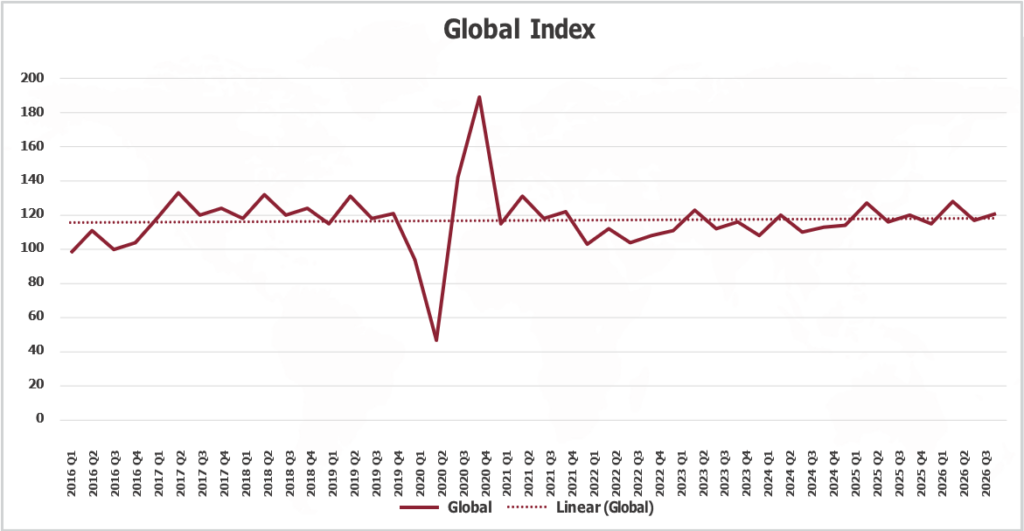
Global Index: Overall, global production is expected to decline slightly in 2026 over last year. Ongoing tariffs along with the conflict in the Middle East and the shipping disruption in the Strait of Hormuz are currently putting pressure on truck demand. However, at the time of this writing fuel prices have been declining as more vessels are able to pass through the Strait.
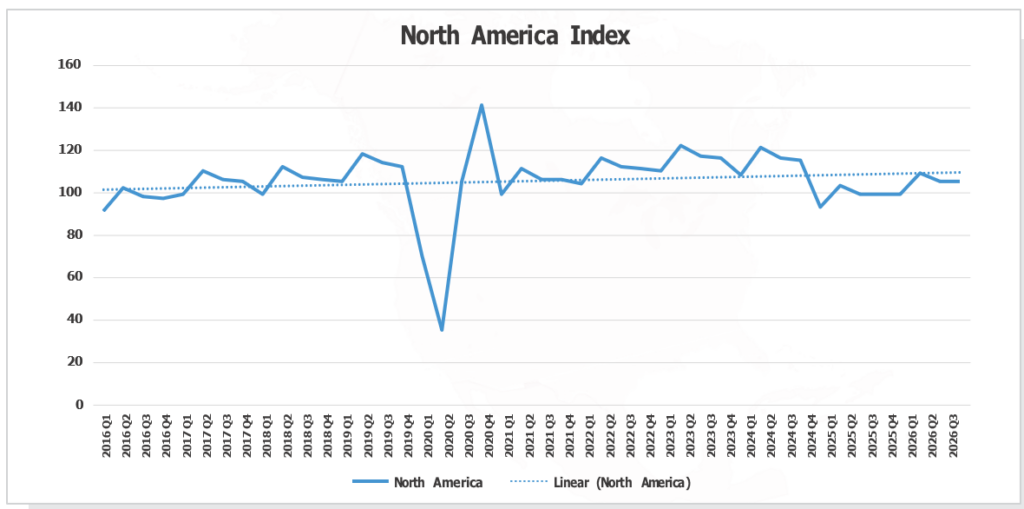
North America: Medium and heavy truck production in North America is expected to increase by 9.5% this year compared with low 2025 production. While class 8 truck production is expected to increase by 13.5% this year as order rates for class 8 trucks have improved strongly throughout much of the year. Improvement in freight rates and freight demand along with tightening truck capacity and some level of truck pre-buy ahead of the 2027 GHG emission regulations is expected to drive increased truck production this year. While truck sales have been down for much of this year, production levels are expected to be strong in the second half of the year. Oil prices have been recently declining which will also help drive truck demand in the third and fourth quarters of 2026.
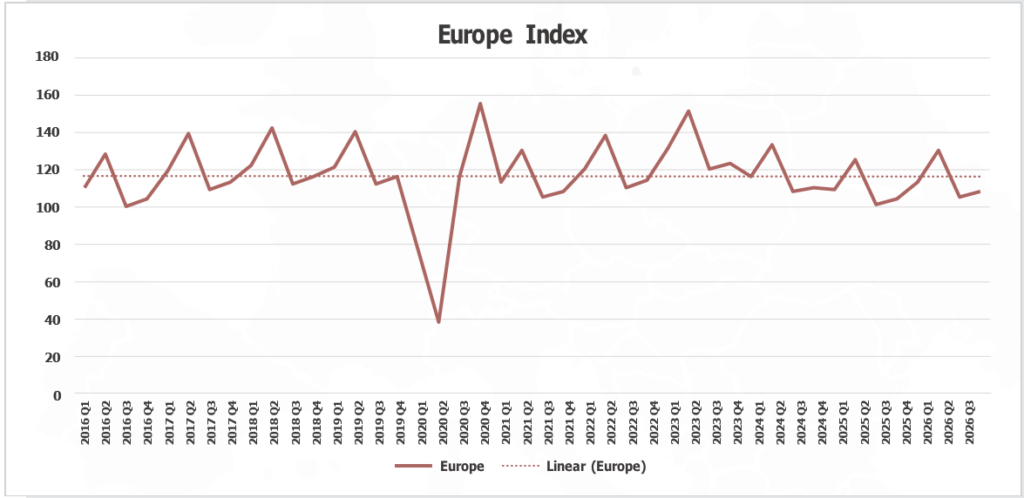
Europe: Medium and heavy truck production in Europe is expected to increase by 6.7% this year compared to 2025. After very low truck demand during the past few years, it does appear that demand has bottomed out and has started to improve this year. Truck demand in Western Europe is expected to improve this year as fleets will need to replace their older trucks purchased in 2022 and 2023. Tightening truck capacity will also drive demand throughout the rest of the year. While truck sales have been somewhat flat, truck orders have been relatively strong year to date.


South Asia: After a strong level of vehicle replacement during the past few years, commercial vehicle production is expected to increase by 4.4% this year compared with 2025. In India, truck and freight capacity has mostly rebalanced and MHCV production is expected to increase by 4% this year compared with 2025. Demand is expected to grow in mid-term owing to a strong macroeconomic environment, healthy fleet utilization levels, Government capex on infrastructure projects, and stable freight demand.
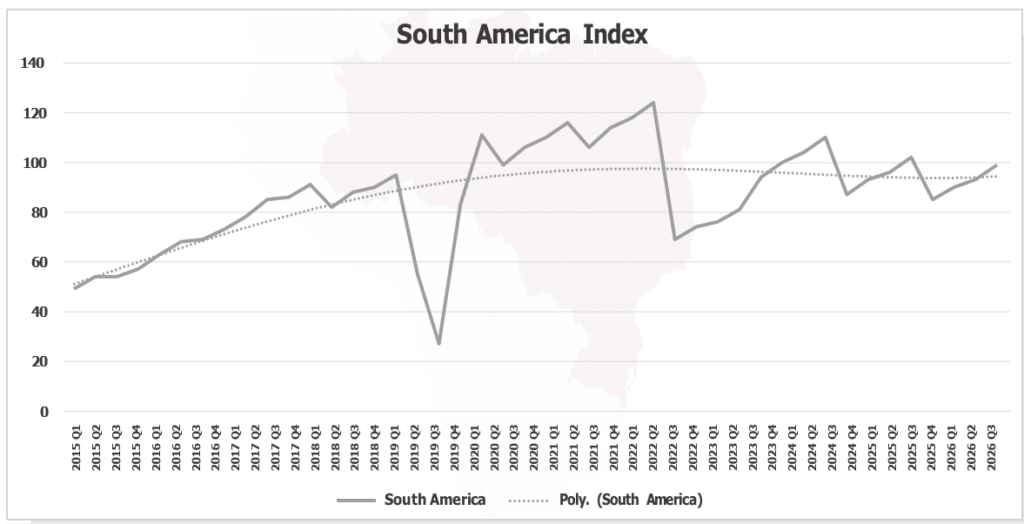
South America: Medium and heavy commercial vehicle production is expected to decline by 4.3% this year compared with 2025. Production in Argentina is expected to increase by 16.7% as the economy is improving and inflation is down significantly from a year ago. MHCV production in Brazil is expected to decline by 5.8% this year while vehicle production in Columbia is forecasted to increase by 5.1% in 2026.
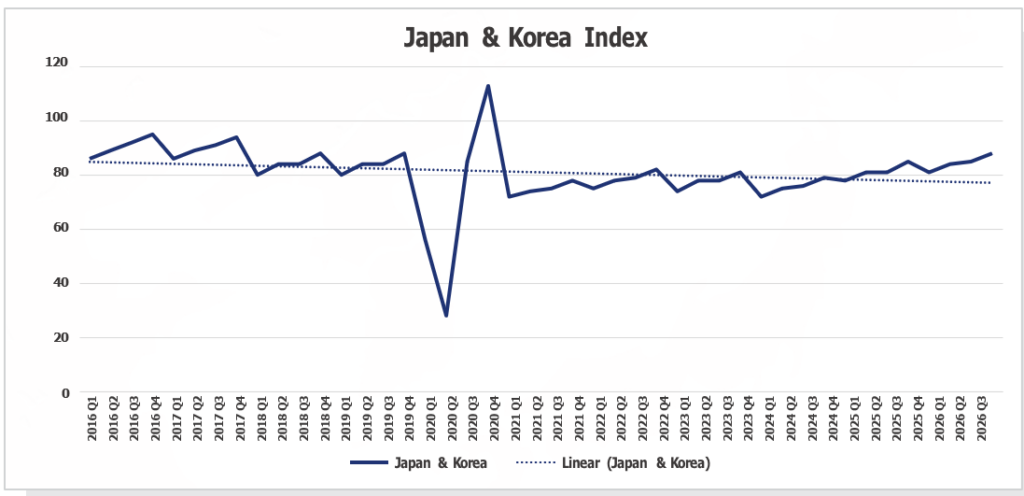
Japan/Korea: Medium and heavy commercial vehicle production in Japan and South Korea is expected to increase by 2.3% in 2026 over last year. Commercial vehicle production is expected to increase by 3.2 % in Japan and decline by 5% in South Korea this year. In Japan, infrastructure spending and the continued need for fleets to replace older trucks will be the primary reasons for increased truck demand this year. In South Korea, periodic diesel fuel shortages and very high fuel cost is partially responsible for the lower truck demand during the first half of the year. Fuel availability and reduced fuel prices are expected to improve as the year progresses.
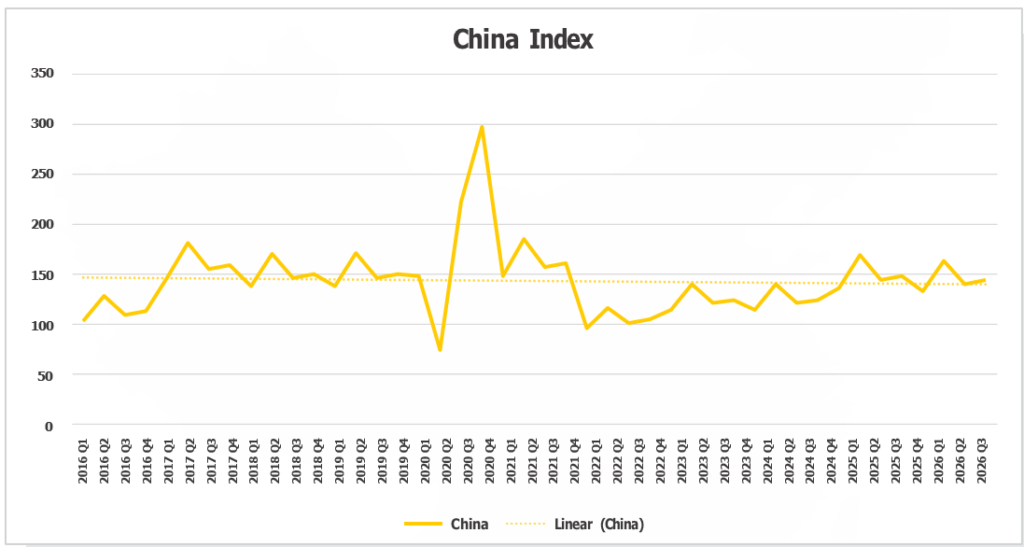
Greater China: According to a June 12 announcement from the Ministry of Transport, 11 ministries and agencies including the Ministry of Transport and the National Energy Administration, have developed the Implementation Plan for Promoting Large-Scale Application of New Energy Heavy-Duty Trucks. The plan states that by 2030 the penetration rate of new energy heavy-duty trucks will reach 40%, with the total stock exceeding 1.6 million units, accounting for approximately 20% of the overall heavy-duty truck fleet. This initiative aims to accelerate the green and low-carbon transformation of the transportation sector.
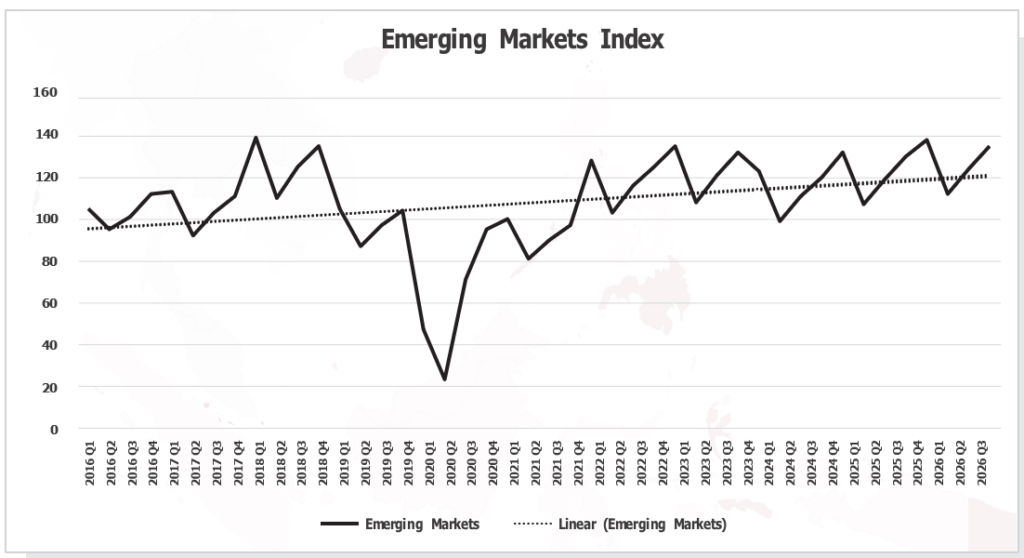
The next update of the Power Systems Research TPI will be in October 2026 and will reflect changes in the TPI during Q3 2026.
The PSR-TPI measures truck production globally and across six regions: North America, China, Europe, South America, Japan & Korea and emerging markets. Data comes from OE Link™, the proprietary database maintained by Power Systems Research. PSR-TPI covers Class 3-8 Trucks (3.5 tons and greater) & Bus Chassis.