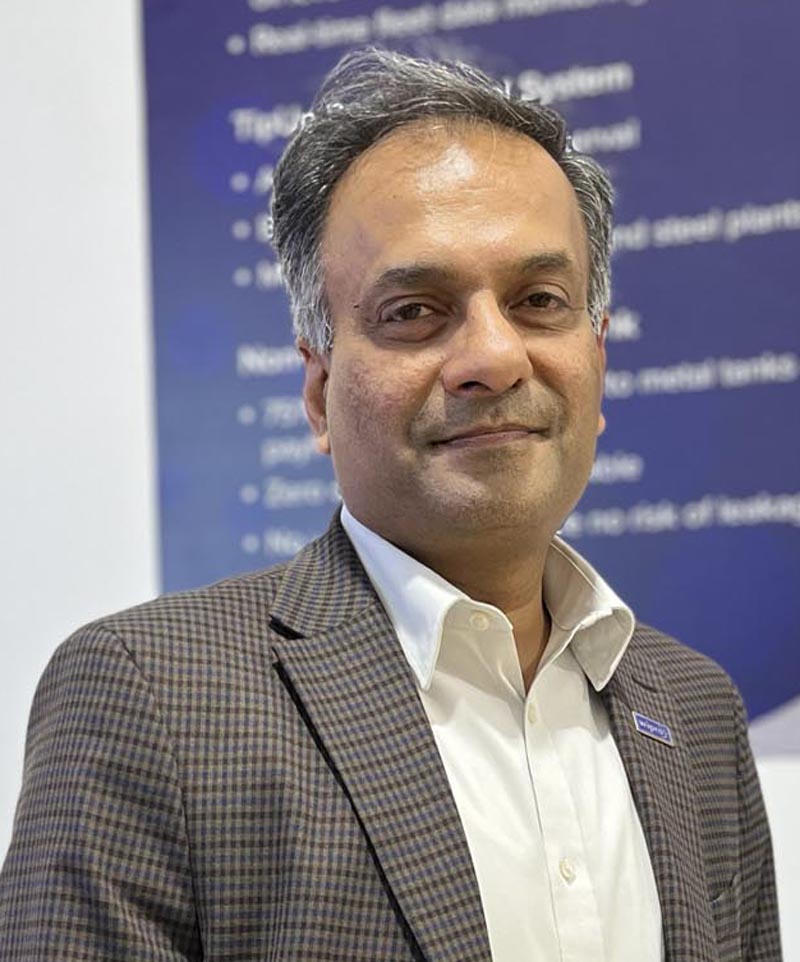
In recent years, demand in India has been relatively soft; however, the company remains optimistic about the long-term outlook, supported by continued investments in infrastructure and rural development, says Mr. Sitaram Ganeshan, President, Wipro Hydraulics.
Globally, several markets have experienced moderated demand, though there are early signs of recovery in North America and Europe. Data center construction is creating incremental demand for construction equipment worldwide. The functionality and versatility of compact equipment make them increasingly valuable for site preparation. In India, demand for mini excavators is rising, alongside growing exports of equipment and components to global markets.
Heavy machinery is evolving from standalone hardware into connected digital systems. Telematics adoption is increasing rapidly, enabling real-time insights into equipment health, utilisation, and performance. Advanced machine control and autonomous systems help reduce errors, improve productivity, enhance safety, and address labour shortages. India’s wheeled CE standards are now aligned with Bharat Stage CEV Stage V norms, bringing them closer to global standards. Beyond reducing emissions, this alignment strengthens the export potential of equipment manufactured in India.
As domestic demand for CE rises, Indian component manufacturers have a significant opportunity to grow by supporting local OEMs for domestic and exports, and serving global OEMs that are increasingly sourcing from India, he said.
Preparing for the Future
“We are celebrating 50-year milestone this year with our journey starting from Peenya in Bangalore. Today, we have 16 manufacturing plants globally serving OEMs worldwide. The capabilities we have today been built by our people over the last 50 years, and we are continuing to invest to ensure they stay relevant to meet the current and future market demands. We continue to invest in India to build the capabilities and capacity required to meet evolving market demand. We are also adopting AI and machine learning tools to make our processes more capable and to proactively eliminate potential failures,” he said.
Wipro is investing in engineering capabilities to expand into diversified hydraulic cylinder applications globally, deepening expertise while supporting growth. “We have also expanded into attachment solutions through an acquisition, offering rock breakers, mulching heads, shears, and pulverisers — addressing growing customer demand for productive tools amid labour shortages and larger infrastructure projects. Our purpose is to transform lives through engineering — through bridges that connect communities, agricultural equipment that supports food security, and refuse trucks that keep cities cleaner,” Mr. Ganeshan added.
“Hydraulic cylinders will remain critical given their superior power-to-weight ratio, even as powertrains shift towards hybrid and electric technologies. In parallel, it is pursuing research to make cylinders lighter, smarter, and more efficient.”