2030 Vision: Building integrated, technology-driven logistics through collaboration, people and operational excellence
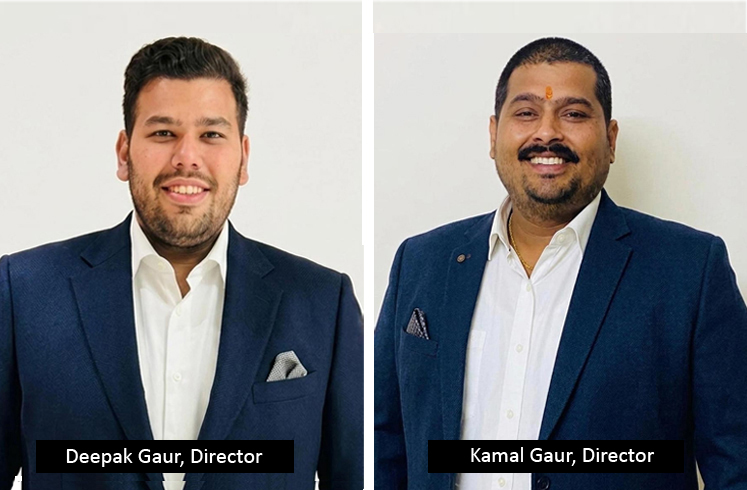
India’s logistics sector is entering a defining phase of transformation, driven by massive investments in highways, Dedicated Freight Corridors, multimodal logistics parks and digital infrastructure. According to Mr. Deepak Gaur, Director, Rajeshree Translines Pvt. Ltd., these developments are creating the foundation for a faster, more efficient and globally competitive logistics ecosystem. However, he believes infrastructure alone cannot reshape the industry. The real transformation will come from collaboration, technology and people working together.
Collaboration Will Drive the Next Phase of Growth
“The future of Indian logistics will not be built by bigger fleets alone. It will be built by smarter partnerships, stronger infrastructure and a shared vision for growth,” said Mr. Gaur.
He believes that by 2030, logistics companies will no longer compete solely on fleet size, freight rates or regional presence. Instead, success will be determined by how efficiently freight moves, how well networks are integrated and how effectively businesses collaborate to deliver seamless supply chain solutions.
With customer expectations shifting towards real-time visibility, predictable deliveries, digital documentation and end-to-end logistics services, transport companies will need to work closely with warehousing providers, technology firms, rail operators and regional transporters. Mr. Gaur shared that strategic partnerships will help improve fleet utilisation, reduce empty return trips and create stronger, more resilient supply chains while delivering greater value to customers.
Technology and People Will Define Industry Leaders
While technologies such as Artificial Intelligence, Transport Management Systems, predictive maintenance, GPS-based fleet tracking, electronic Proof of Delivery and data analytics are transforming logistics operations, Mr. Gaur stressed that technology is only an enabler.
“Technology may transform operations, but leadership, skilled people and strong partnerships will remain the real competitive advantage,” he shared.
He also emphasised that drivers, fleet managers, warehouse personnel, maintenance teams and customer support professionals will continue to form the backbone of the logistics industry. Investing in their skills and capabilities will be just as important as investing in digital platforms and infrastructure.
At Rajeshree Translines, the long-term vision is to build an integrated logistics enterprise combining road transportation, rail logistics, warehousing, multimodal solutions and digital technologies. The company also aims to strengthen partnerships with customers, transporters, technology providers and industry stakeholders to deliver future-ready logistics solutions.
Mr. Gaur believes India’s logistics revolution has already begun. The companies that will lead the next decade will not necessarily be those with the largest fleets, but those that embrace innovation, build trusted partnerships and consistently deliver operational excellence across the supply chain.
“The future of Indian logistics will not be built by bigger fleets alone. It will be built by smarter partnerships, stronger infrastructure and a shared vision for growth.”