Henkel has achieved carbon-neutral production at two of its key manufacturing sites — Kurkumbh in India and Gebkim in Turkey — marking a significant milestone in the company’s broader ambition to fully decarbonise its global operations by 2030. Both sites have successfully eliminated Scope 1 and Scope 2 emissions, contributing directly to Henkel’s science-based climate targets.
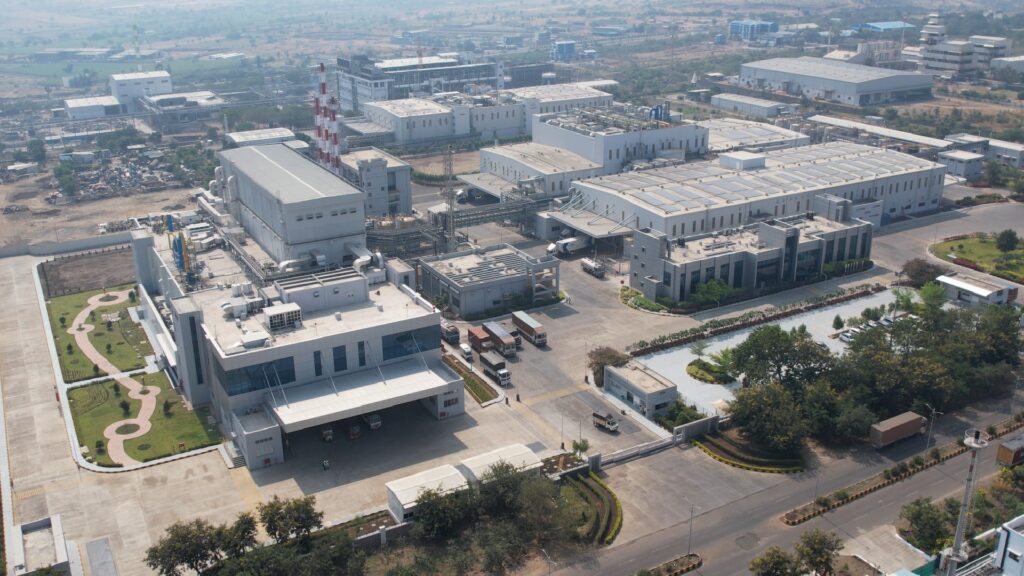
At the Kurkumbh plant in India, carbon neutrality was achieved by replacing furnace oil-based thermic fluid heaters with high-efficiency electric systems, entirely eliminating the use of fossil fuels at the site. The transformation involved a comprehensive upgrade of the energy infrastructure — including optimisation of heat loads, installation of advanced heat exchangers, and significant investment in electrical capacity. Combined with a transition to 100% renewable electricity, these measures enabled the elimination of approximately 11,300 tonnes of CO₂ equivalent in annual emissions.
At the Gebkim plant in Turkey, Henkel replaced a natural gas-fired boiler with a high-efficiency electric boiler system, reducing Scope 1 emissions to zero and delivering an annual reduction of approximately 956 tonnes of CO₂ equivalent. The project is one of the company’s landmark electrification initiatives in the region.
Mr. Simon Ulmann, VP Supply Chain & Operations IMEA, Henkel Adhesive Technologies, said, “Our ambition is clear: we are systematically eliminating fossil fuels from all our operations and replacing them with electrified processes powered by renewable energy. Our manufacturing milestone in both Kurkumbh and Gebkim show how we can translate our strategy into tangible impact at site level, accelerating our journey toward net-zero operations.”
Mr. Bappa Bandyopadhyay, Director Operations & Projects India, Henkel Adhesive Technologies, said, “Achieving carbon neutrality at our Kurkumbh site underscores our strong commitment to sustainable growth, responsible manufacturing, and operational excellence. This milestone shows that sustainability and business performance can advance together to create long-term value.”
The achievements at both sites form part of Henkel’s wider strategy to scale electrification and renewable energy adoption across its global production network, with the goal of achieving net-zero operations across its value chain.