India is no longer just building vehicles for its own roads. Its manufacturers are going global — and the pace at which that is happening is only set to accelerate, says Mr. Shenu Agarwal, Managing Director and CEO of Ashok Leyland.
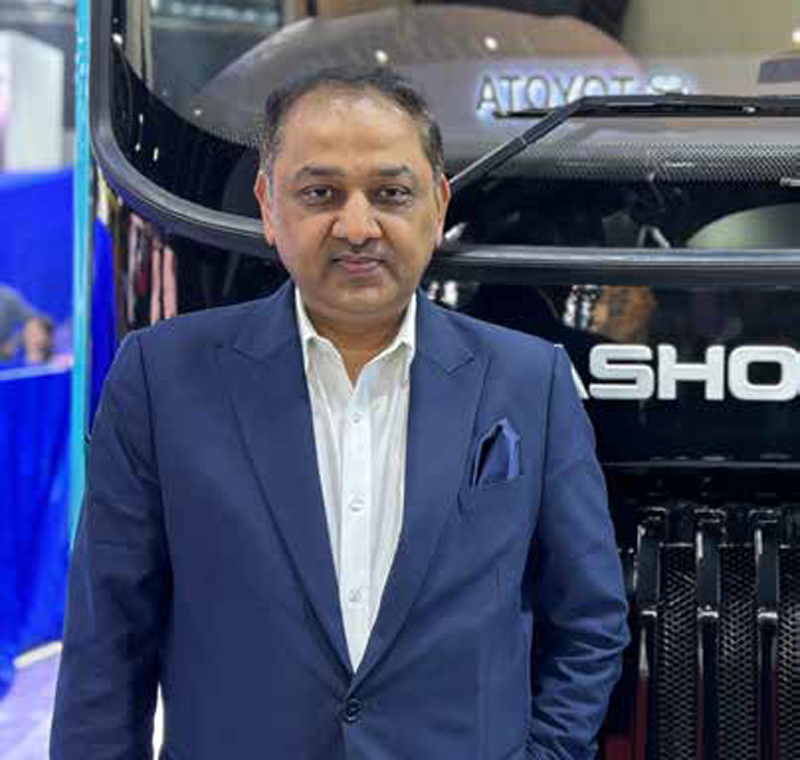
India is going to surprise people. That is perhaps the most confident and considered view that Mr. Agarwal, offers when asked about the trends shaping the commercial vehicle industry over the next five years. Not because he dismisses the geopolitical turbulence around the world — he acknowledges it — but because he believes India’s own growth story is powerful enough to override much of the global noise.
His argument is rooted in fundamentals. India, he said, will grow its economy at a pace that will be disproportionate to the rest of the world, regardless of how the global situation evolves. The rate of change India will witness — in infrastructure, in demographics, in technology, in scale — will surprise even those who are closely watching it. And as India grows, so will its ability to shape the global automotive industry. The globalisation of Indian vehicle manufacturers, already accelerating in recent years, will only move faster in the years ahead. “India and Indian companies have the greatest chance because India itself will grow to an extent that a lot of things will change, lot of things will happen. And this will also give Indian automobile industry a great power to become more and more global. As we have seen even in the last few years, the globalisation of the Indian cars or the Indian manufacturers has been happening at a much higher pace. And I think going forward, it will only accelerate,” he said.
Charting the Next Chapter
For Ashok Leyland specifically, this growth context is both an opportunity and an obligation. The company has a clear, stated vision — to become a top-ten global commercial vehicle player. That is not simply a ranking on a chart. Achieving it means nearly doubling the company’s size in volume or revenue over the next five to seven years. It demands capability, discipline, and a willingness to change fundamentally.
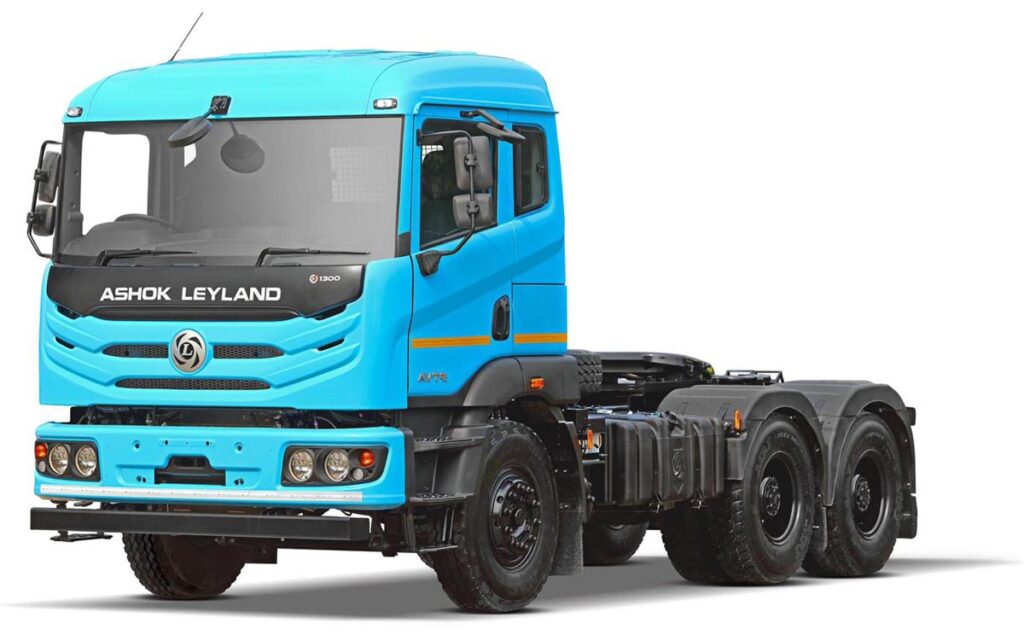
But here is where Mr. Agarwal’s thinking takes an interesting turn. “Unlike the passenger vehicle industry, where emotion, aspiration, and design play a significant role in purchase decisions, the commercial vehicle industry is driven almost entirely by logic. Trucks and buses are not bought on sentiment. They are bought because they earn money for their owners. That distinction shapes everything about how Ashok Leyland thinks about its products and its customers,” he said.
Which is why, when asked how the company plans to steer itself toward 2030, Mr. Agarwal does not talk about flashy technology or grand transformations. He talks about only two things.
The first is product performance. Make better trucks and buses. Make them more durable and more reliable. If a truck is supposed to run 24 hours a day, seven days a week, it should do exactly that — stay on the road, carry its load, and earn revenue for its owner without interruption. Every hour a truck is off the road is an hour its owner is not making money. That is the standard Ashok Leyland holds itself to.
The second is response time. Because even the best machine will occasionally break down. When that happens, the question is not whether it happened — it is how quickly Ashok Leyland can respond, diagnose the problem, and get that truck moving again. Minimising downtime is not a service metric. In the commercial vehicle business, it is a revenue metric for the customer, he said.
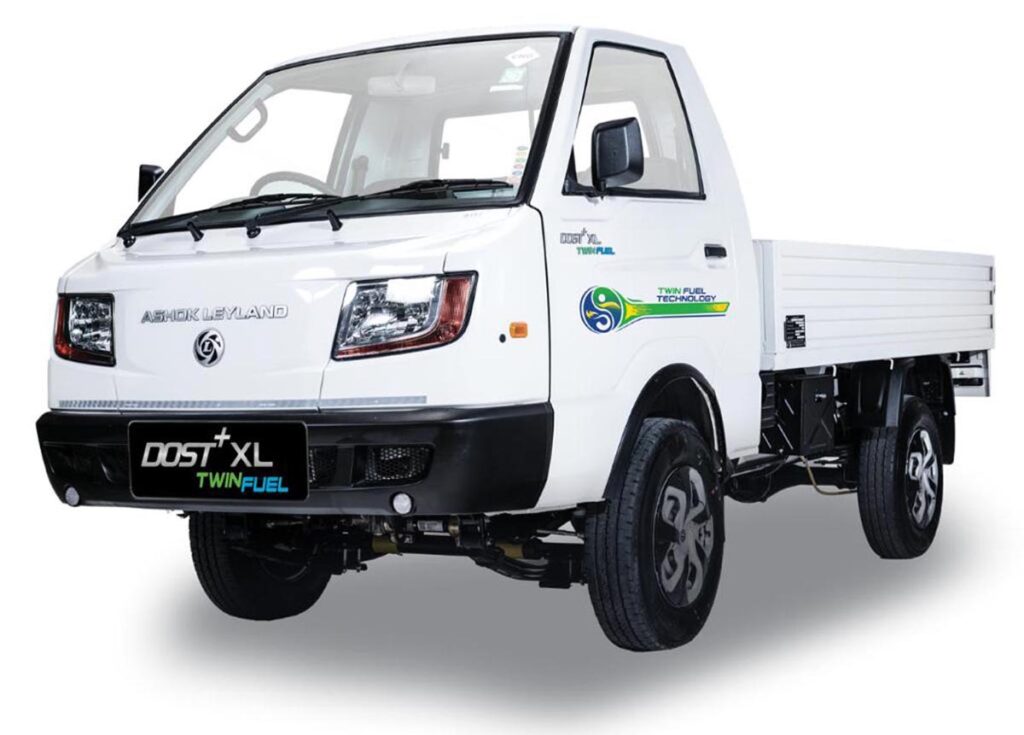
And all of this, it must be done competitively. Indian commercial vehicle customers are not forgiving on price. Cost efficiency is not a nice-to-have — it is a baseline expectation. In fact, Mr. Agarwal sees India’s inherent competitiveness as a national strength, one that Ashok Leyland both benefits from and is accountable to.
Two principles. Better products. Faster response. In an industry where sentiment plays no role and every purchase decision comes down to hard economics, these are not simple goals — they are the entire game. And for a company chasing a place in the global top ten, getting both right, consistently, at competitive cost, is the work of the next five years, he signed off.
The rate of change India will witness — in infrastructure, in demographics, in technology, in scale — will surprise even those who are closely watching it.