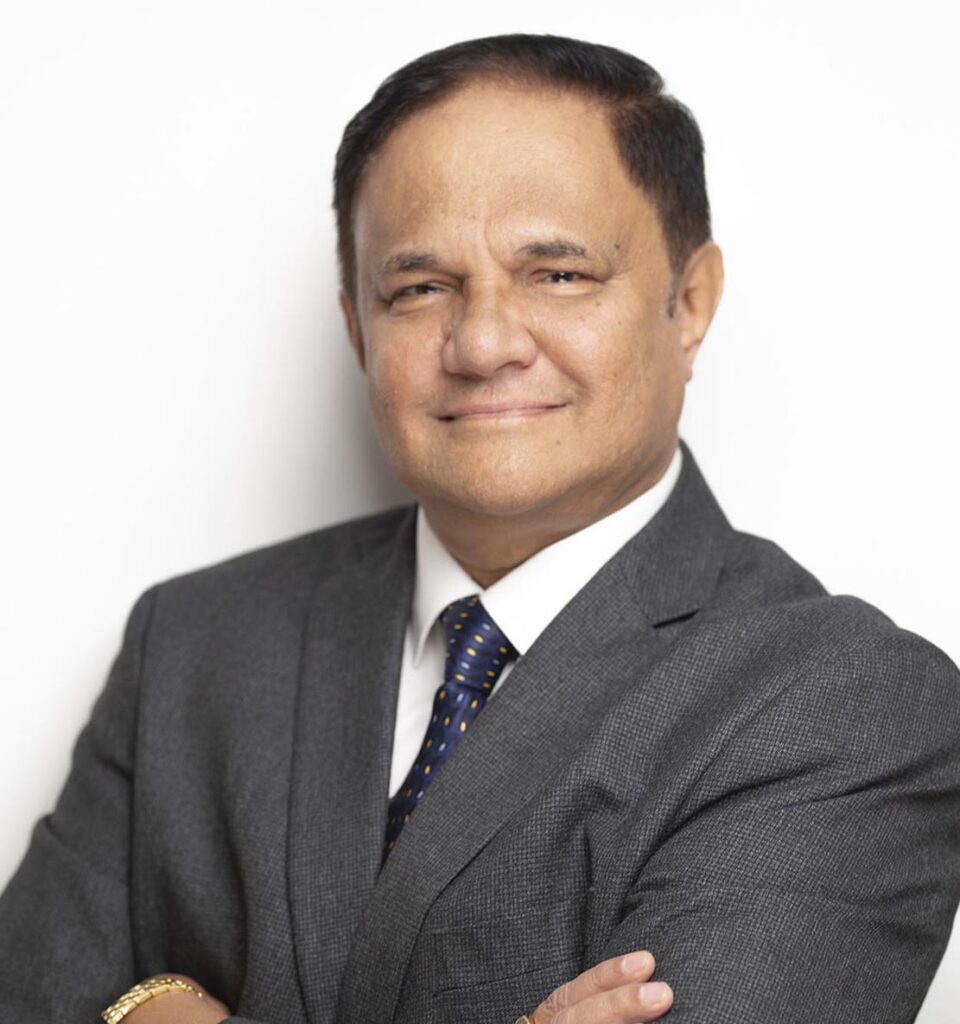
Policy sets the direction, technology enables the journey, but it is the skilled worker on the shop floor who will determine whether India’s Mission 2030 succeeds, states Mr. G.S. Ramesh, Chairman, Layam Group.
The auto industry is being rewritten by four forces simultaneously — geopolitics, electrification, digitalisation, and energy security. From China’s grip on rare-earth magnets to battery material competition, from oil market vulnerabilities to software-defined vehicles, automobiles have become a strategic industry at the heart of national competitiveness.
For India, this disruption is an opportunity to move from high-volume manufacturing to a serious global mobility and auto-component hub. But realising that opportunity depends on how quickly the country ramps up its workforce, supply chain, technology adoption, and component ecosystem.
The auto industry of the future demands technicians skilled in electronics, software, sensors, and battery systems — not just mechanical assembly. India must move beyond low-cost manufacturing to build a globally trusted mobility ecosystem through smarter factories, deeper localisation, future-ready workers, and policy consistency. The next decade will decide whether India becomes a true global automotive power. The transformation is underway but can India move fast enough to lead it?
The Next Move
For Layam, the real question is not just what will the industry be by 2030, but who is going to construct it. EV adoption, battery manufacturing, hydrogen corridors, smart factories, advanced components and global exports — all targets depend ultimately on people. It comes down to the technicians, engineers, operators, supervisors, quality teams, production managers, trainers and shop-floor leaders who know the new technologies and can roll them out at scale.
Layam’s vision is to be one of India’s leading workforce partners for EV, hydrogen mobility, auto components, and smart manufacturing by 2030. Its Mission 2030 goals include setting up Centres of Excellence for EV, battery, and smart manufacturing skilling; growing beyond 16,000-plus associates; and providing trained manpower and contract manufacturing solutions to OEMs and suppliers.
India’s Mission 2030 will not be achieved in boardrooms or policy documents alone — it will be achieved on the shop floor, by people who are skilled, trained, and ready to execute. That is where Layam wants to make its contribution. As the automobile industry becomes more electric, connected, and technology-driven, Layam’s job is to ensure the workforce behind that future is equally ready.
“The company also plans to expand its footprint across high-growth EV and manufacturing corridors, grow women’s participation in automotive and advanced manufacturing jobs, scale its contract manufacturing business, and use technology and data to enhance workforce planning and client outcomes.”