As VECTO regulations raise the focus on fuel efficiency and CO₂ reduction, bearings are evolving from mechanical components into critical contributors to vehicle efficiency.
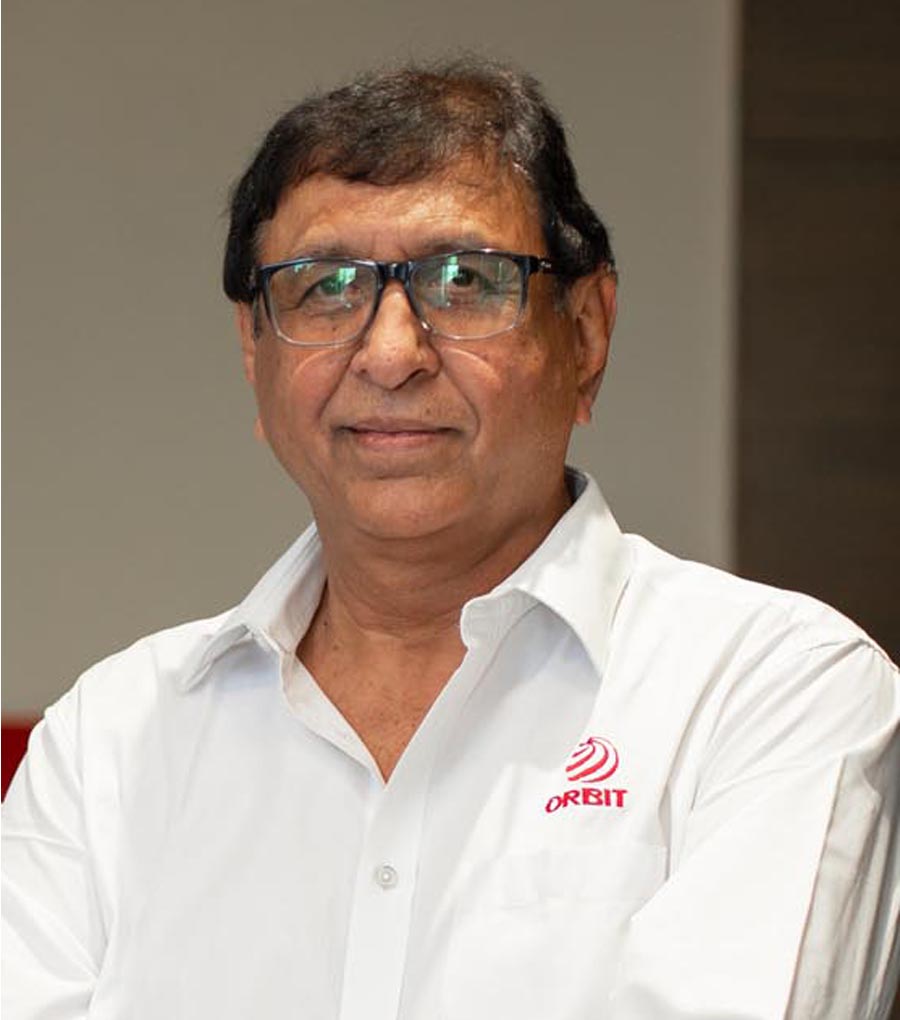
The bearing industry is entering a defining decade shaped by sustainability, digitalisation, electrification and evolving commercial vehicle technology. According to Mr. Vinesh Patel, Chairman and Managing Director, Orbit Bearings, regulations such as EU VECTO and the upcoming Bharat VECTO will fundamentally influence product development by placing greater emphasis on fuel efficiency and CO₂ emissions.
“Low-friction wheel-end bearing systems, optimized preload and advanced lubrication technologies will play a vital role in helping OEMs achieve stringent fuel-efficiency and emissions targets,” said Mr. Patel.
The shift is also creating demand for suppliers capable of offering engineering solutions rather than standard catalogue products. At the same time, global OEMs are diversifying sourcing to build more resilient supply chains, creating an opportunity for India with its engineering talent, competitive manufacturing ecosystem and growing focus on quality and innovation.
Industry 4.0 technologies including automation, robotics, artificial intelligence, real-time process monitoring and predictive quality systems will increasingly become integral to bearing manufacturing.
ORBIT’s Technology and Product Expansion
At ORBIT Bearings, the vision is to become a globally respected manufacturer of premium automotive and industrial bearings, recognised for technological innovation, engineering excellence and trusted OEM partnerships. The company has proactively invested in VECTO-related technology development and validation, followed by advanced manufacturing infrastructure and automation.
A key milestone is its state-of-the-art VECTO Test Bench, which will make ORBIT only the third bearing company globally and the first in India with this advanced validation capability. The facility will evaluate bearing friction, efficiency and performance under real-world conditions, supporting OEMs in meeting fuel-efficiency and CO₂ targets.
“By 2030, our goal is to be recognised not merely as a bearing manufacturer but as a global engineering partner, collaborating from concept and design through validation and high-volume production,” Mr. Patel shared.
The company is also expanding beyond its established taper roller bearing strength into cylindrical roller, full complement cylindrical roller, ball, spherical roller and large-diameter bearings. Automated production lines, robotic assembly, advanced inspection and quality systems will support this broader portfolio.
Through continued investment in technology, sustainability, innovation and people, ORBIT aims to strengthen India’s position in precision bearing manufacturing while enabling more efficient, reliable and environmentally responsible mobility.
“Bearings are no longer viewed as standard mechanical components but as critical contributors to vehicle efficiency.”