By 2030, Busworld’s ambition is to deepen its roots in every region while strengthening one global community, with India playing a defining role, says Mr. Vincent Dewaele, General Manager, Busworld International.
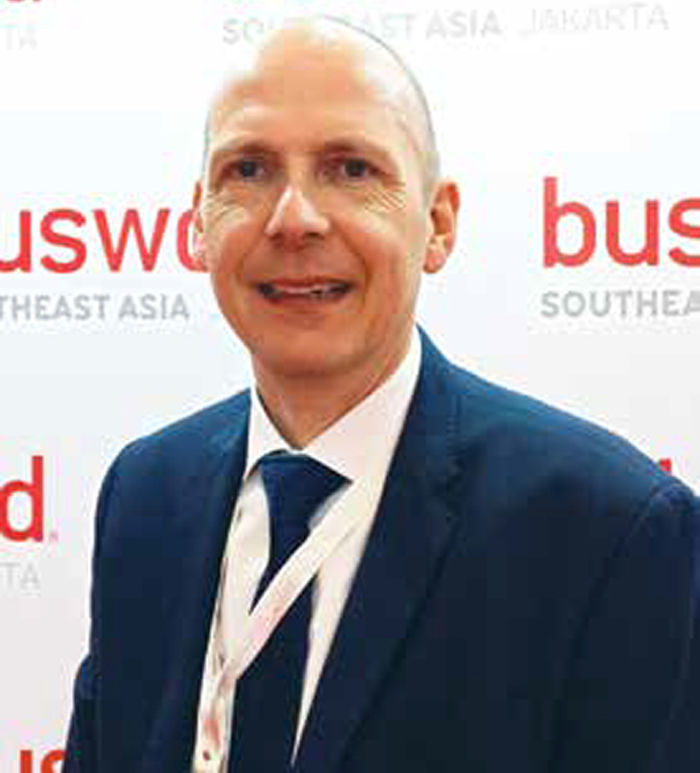
The bus and coach industry is entering a period in which transformation and uncertainty will advance together. Between now and 2028, geopolitical tensions, trade barriers, energy-price volatility and concentrated battery and critical-mineral supply chains will make resilience as important as innovation, Mr. Dewaele said.
Manufacturers and operators will need diversified sourcing, stronger regional production, transparent lifecycle costs and closer cooperation between vehicle, infrastructure, energy, and finance partners. Towards 2030, decarbonisation remains the defining structural shift — but the challenge extends beyond the drivetrain to building a complete operating ecosystem. Battery-electric buses will lead in urban applications, while coaches, intercity routes, and demanding climates may require hydrogen and renewable fuels. Charging capacity, grid access, depot design, financing, and skills must develop alongside vehicles. Europe’s regulations are accelerating the transition, while India’s large-scale e-bus programmes show how public ambition, local manufacturing, and innovative operating models can combine to make India both a major bus market and a global laboratory for affordable, scalable mobility.
Digitalisation will be equally decisive. Connected fleets, AI-supported operations, predictive maintenance, smart charging, integrated ticketing, and real-time passenger information will improve both efficiency and customer experience. At the same time, cybersecurity, data ownership, and interoperability will become board-level priorities. Safety, accessibility, and comfort remain non-negotiable, while shortages of drivers and skilled technicians will make training, automation, and attractive working conditions strategically important, he said.
Mission 2030
“At Busworld, our ambition is to evolve from the global meeting place for the bus and coach community into its most trusted year-round platform for business, knowledge, and collaboration. We will connect manufacturers and operators with governments, cities, energy companies, infrastructure providers, investors, technology firms, and educational partners.
By 2030, we aim to deepen our regional relevance while strengthening one global community; position India as a bridge between local innovation and international markets; expand market intelligence, high-level congress content and targeted matchmaking; give start-ups meaningful access to decision-makers; and make the environmental progress of our own activities increasingly transparent,” he mentioned.
“Busworld will remain technology-open but directionally clear: mobility must become cleaner, safer, more efficient, and financially sustainable. Above all, it must remain people centered. That is what “all about bus, coach and people” should mean in 2030,” Mr. Dewaele added.
“The winner will not necessarily be the product with the lowest purchase price, but the solution that delivers the best uptime, serviceability, residual value, and total cost of ownership.”