Dr. Reji Mathai, Director, ARAI says: India is well positioned to emerge as a key validation and engineering hub, backed by cost competitiveness, strong talent, rapid EV adoption, and a growing component base.
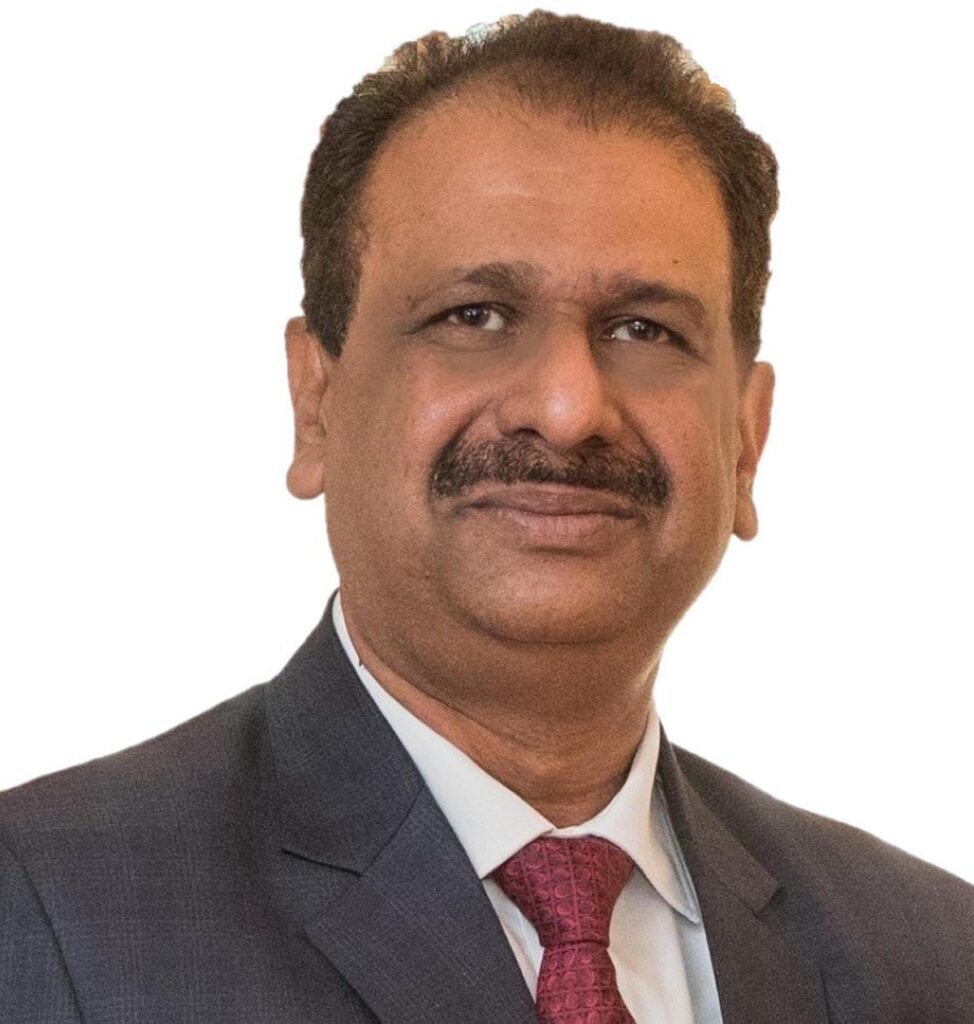
The automotive industry is rapidly transitioning from hardware-led engineering to software-defined mobility, fundamentally reshaping how testing and validation are approached. Today, validation must seamlessly integrate electrification, ADAS, cybersecurity, and AI-driven systems, making it significantly more complex, continuous, and mission-critical. In India, the need for localised testing, particularly for safety systems, is accelerating due to unique driving conditions and evolving regulatory frameworks.
Geopolitical realignments and supply chain shifts are redefining global testing ecosystems. Testing is moving left — becoming more predictive, data-driven, and continuous, powered by AI, simulation, and real-time connected vehicle data. With centralised architectures and over-the-air updates, validation is evolving from a one-time pre-launch activity into a lifecycle-long discipline.
However, challenges persist. “Gaps between industry and academia, limited supply chain self-reliance, and fragmented innovation ecosystems continue to constrain progress. Addressing these will require stronger alignment on deep-tech research, resilient supply chains, and scalable innovation frameworks ensuring that the pace of advancement does not compromise safety. Ultimately, testing will be central to delivering zero-defect, zero-emission, and zero-fatality mobility. Success will depend on how effectively we integrate advanced technologies, strengthen indigenous capabilities, and build collaborative, innovation-led ecosystems that balance competitiveness with shared, sustainable growth,” he mentioned.
The Way Forward
“Our Mission 2030 builds on 60 years of advancing India’s automotive validation ecosystem. Going forward, we will strengthen capabilities across EV testing, ADAS, and software-defined vehicles, while integrating AI-led, automated, and simulation-based validation for predictive and lifecycle-driven testing,” Dr. Mathai indicated.
Working closely with the government and aligning with global frameworks, ARAI will drive standardisation, advance next-generation certification, and shape future-ready regulations relevant to India’s needs — in line with the vision of Viksit Bharat 2047.
ARAI will deepen indigenous capabilities across supply chains, materials, and testing infrastructure, while advancing multi-fuel research spanning electric, hydrogen, hybrid, and biofuel technologies. It will also strengthen collaboration across industry, academia, and start-ups, while advocating for policy support, R&D incentives, and stronger IP frameworks.
“By 2030, our vision is to firmly establish ourselves as a globally trusted mobility research and validation partner—expanding our reach well beyond India while contributing to a resilient, self-reliant, and future-ready automotive ecosystem,” Dr. Mathai summed up.
“As mobility is reshaped by EVs, SDVs, ADAS, alternative fuels, and cybersecurity, ARAI remains committed to ensuring innovation progresses with trust, robust standards, and India-specific validation at its core.”