As passenger expectations evolve beyond basic transportation, Aadinath Bulk is preparing for a mobility ecosystem built around comfort, route-specific powertrains, AI-assisted operations and safety.
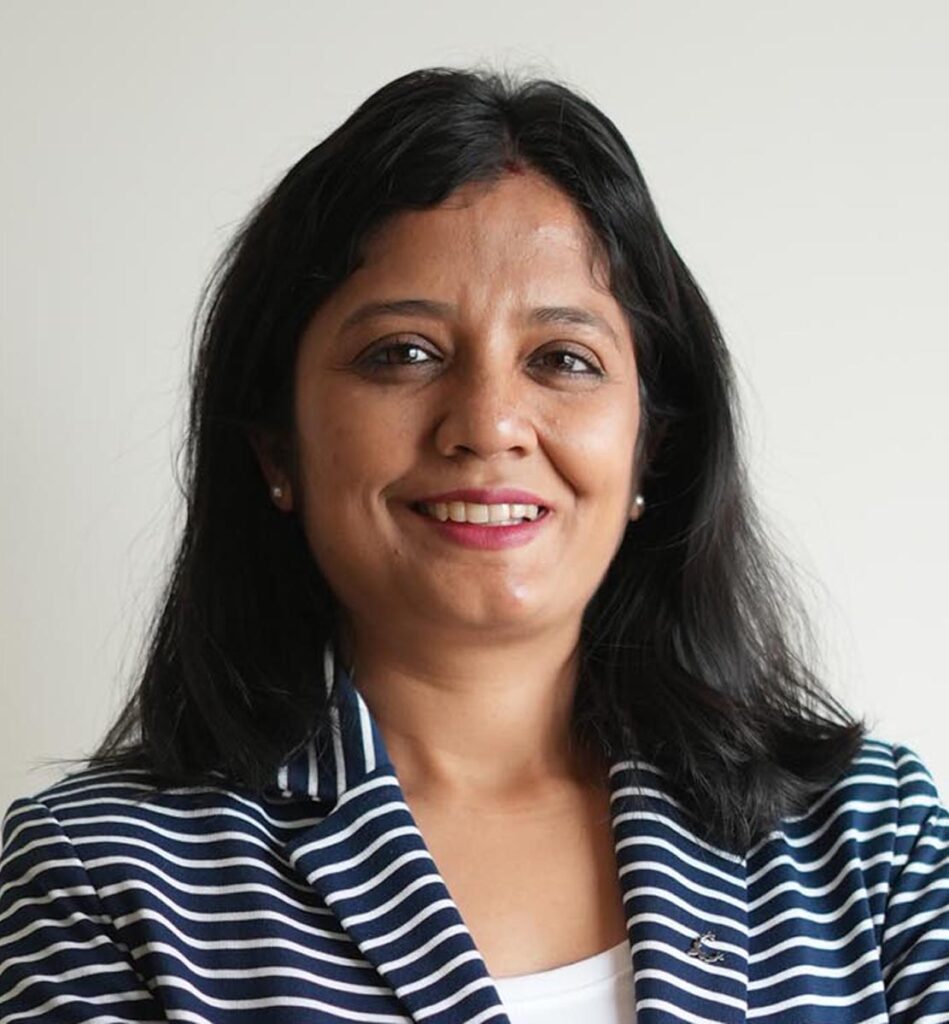
Indian mobility is entering a phase where passenger expectations are extending well beyond reaching a destination. According to Ms. Jalpa Jain, Director, Aadinath Bulk, punctuality, cleanliness, legroom, charging facilities and even the specific coach model are increasingly influencing travel choices. Comfort, she believes, is becoming an essential part of mobility rather than a luxury.
“Passengers today want to know not just where they are going, but how they will travel. Comfort, cleanliness, punctuality and safety are becoming integral to the mobility experience,” Ms. Jain said.
The transition to cleaner mobility will remain route-driven. Electric buses are expected to grow fastest on city routes where distances and charging can be planned, while CNG and efficient diesel vehicles will continue to have relevance where range, road conditions or charging infrastructure make them more practical.
Artificial intelligence will increasingly support, rather than replace, human operators. AI and connected systems can help identify driver fatigue and unsafe driving, predict breakdowns, forecast demand, optimise schedules and enable faster operational decisions. By 2030, Ms. Jain expects the industry to have better-informed drivers supported by smarter systems, rather than driverless buses.
Scaling Fleet, Technology and Human Safety
Aadinath Bulk is evolving from a diversified fleet operator into a complete mobility organisation spanning public transport, school and employee mobility, premium intercity travel through Aadigo, and cargo. The company operates more than 375 buses, employs over 1,000 people and enables nearly one million passenger journeys every month.
Its next phase has four priorities: scaling towards 1,000 buses, selectively introducing EVs where route economics and charging ecosystems are viable, strengthening AI-, IoT- and ERP-led controls, and connecting passenger and cargo networks to improve asset utilisation.
Safety remains central, particularly from a woman’s perspective. Ms. Jain emphasised the need to consider safety throughout the journey, including night-time boarding, access to assistance and sensitive training for drivers and staff.
“Our ambition is not simply to operate more buses. We want to build a trusted mobility platform that connects people to education, employment, commerce and opportunity,” she shared.
Across its growth plans, Aadinath Bulk will retain safety, preventive maintenance, service reliability and passenger experience as non-negotiables. By 2030, its ambition is to make every kilometre safer, cleaner and more productive.
“By 2030, leadership in mobility will belong not to the company with the largest fleet, but to the one that delivers the most dependable human outcomes.”