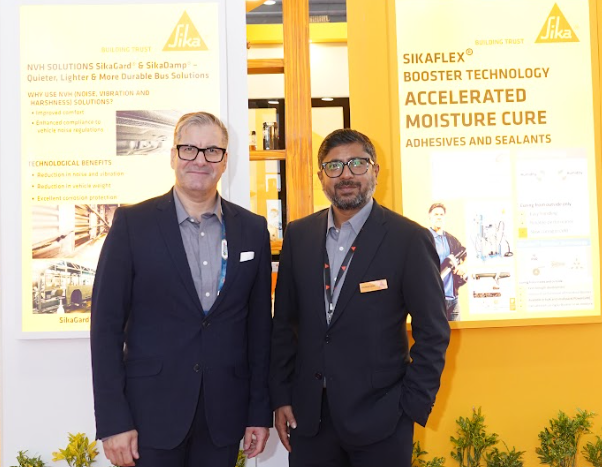
As India’s bus and coach industry undergoes a rapid transformation driven by higher quality standards, electrification and evolving regulations, Sika is strengthening its presence with advanced bonding, sealing, damping and protection solutions tailored for the market. At Prawaas 5.0, the global specialty chemicals company showcased technologies designed to help manufacturers improve productivity while enhancing vehicle quality, safety and passenger comfort.
Speaking to MOTORINDIA, Mr. Martin Gansner, Corp. Marketfield Manager – Transportation, Sika Services AG, and Mr. Debanjan Ghosh, Head – Automotive & Industry, India, Sika India Pvt. Ltd., highlighted the company’s growing commitment to the Indian market and its long-term growth strategy.
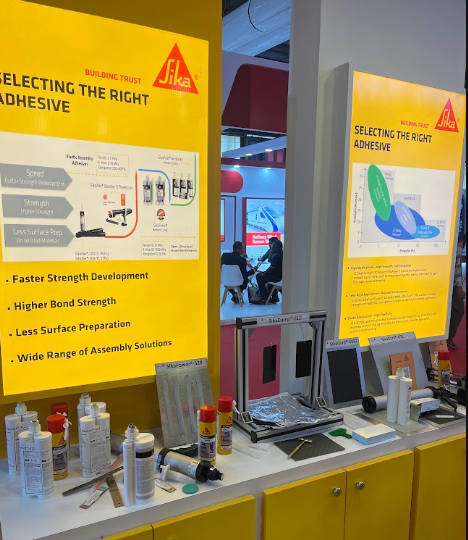
Martin explained that Sika’s showcase revolved around four key themes. “We are focusing on lightweight solutions, replacing welding with advanced bonding technologies, improving durability and overall vehicle quality, while also presenting several customisation solutions. Another important area is NVH, as regulations in India are evolving and there is a greater emphasis on improving comfort not only for drivers and passengers but also for the surrounding environment,” he said.
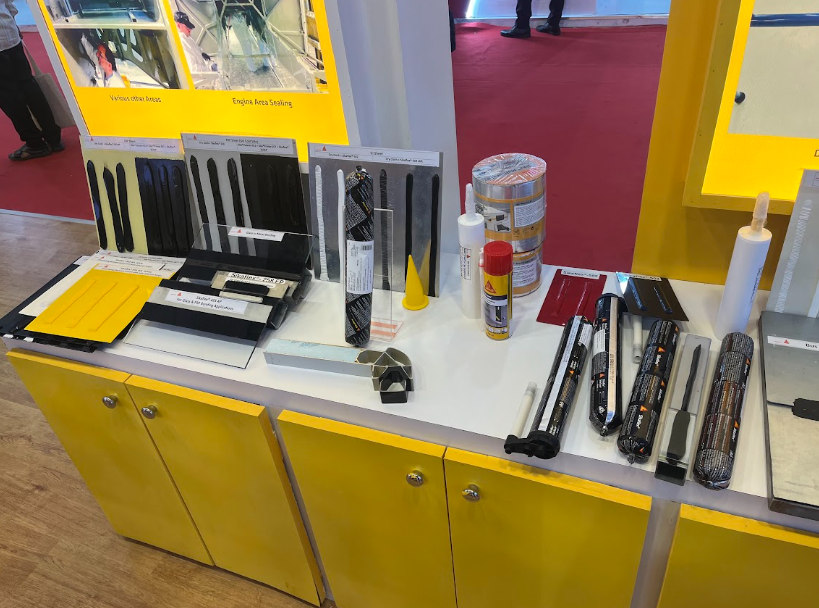
Echoing the sentiment, Debanjan noted that Prawaas continues to grow in both scale and technological maturity. “Every edition is becoming bigger, with impressive buses as well as component suppliers displaying new innovations. One of the biggest challenges manufacturers face today is improving productivity. We are showcasing solutions that help de-bottleneck production lines, simplify manufacturing processes and address regulatory requirements such as fire protection and sound dampening,” he shared.
Local manufacturing backed by global expertise
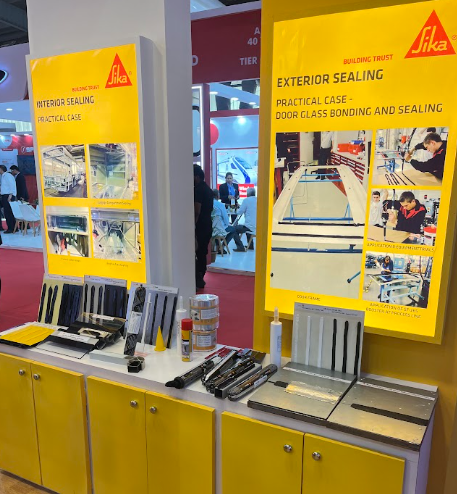
According to Martin, the evolution of India’s bus industry presents a significant opportunity for technology providers like Sika. As manufacturers increasingly prioritise quality and lifecycle value over initial cost, advanced material solutions are becoming an integral part of vehicle development.
“The market is growing, regulations are becoming more demanding and the focus is gradually shifting away from price alone. Fifteen years ago, very few people paid attention to the materials being used. Today, with buses becoming more sophisticated and electric buses carrying a significant premium, customers are looking for solutions that improve performance and competitiveness,” he observed.
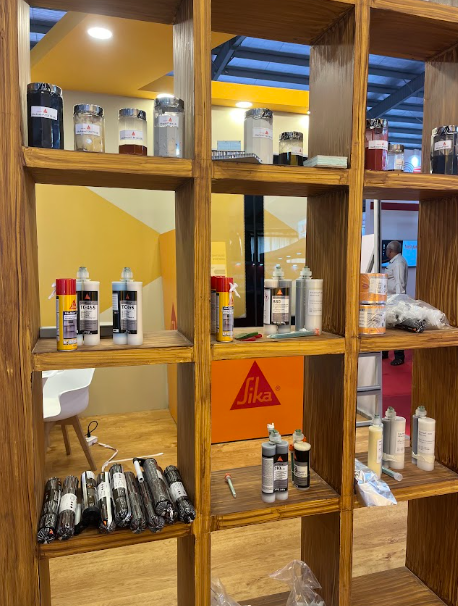
Debanjan emphasised that Sika has been steadily expanding its local manufacturing footprint to support this transition. “We started local manufacturing for products supplied to the bus industry around five years ago and have continued increasing capacity every year. India is not a market where we can simply import and supply products. We need to bring global technologies, manufacture them locally and adapt them to Indian climatic conditions and customer requirements. It is ultimately about delivering the right value proposition,” he explained.
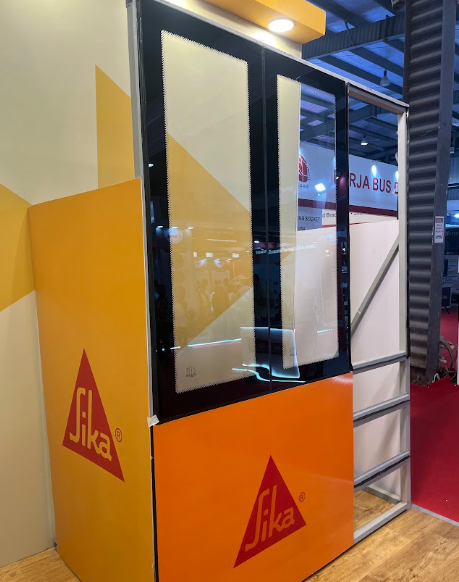
He added that Sika’s technologies are designed not only to improve manufacturing efficiency but also to reduce operational downtime. “If manufacturers can produce even 50 additional buses in a month by removing production bottlenecks, the impact is substantial. Similarly, for electric buses operating in city transport fleets, downtime is critical. We are showcasing solutions that enable quick replacement of damaged glass so buses can return to service the very next day, avoiding penalties and inconvenience to commuters,” he said.
Expanding presence across India
Highlighting the strategic importance of the country, Martin described India as one of Sika’s fastest-growing markets globally. He noted that the company’s growing investments in manufacturing, technical services and local capabilities demonstrate its long-term commitment.
“Twenty years ago, India was always seen as a market with tremendous potential but also one that was not easy to address. Today, thanks to our expanded manufacturing footprint and strong technical support capabilities, we have become a valued partner for customers here. The scale of our investments clearly reflects how important India is for the Sika Group,” he said.
On the aftermarket front, Debanjan said Sika has built a strong nationwide support network. “We have local sales and technical teams across the country, supported by a distribution network of over 50 channel partners. This enables customers to access both our products and technical support within a very short time,” he noted.
Looking ahead, Martin believes the industry’s technological evolution will require continued investments from Sika. “Customer expectations will continue to rise, our product portfolio will become more complex, our manufacturing footprint will grow and we will continue investing in people and capabilities. It is an exciting future with equally exciting challenges,” he concluded.
Debanjan, meanwhile, pointed to the need for more predictable demand patterns to support capacity expansion within the industry. While acknowledging the strong outlook for electric buses, he observed that production is still heavily influenced by government tenders, creating cycles of high activity followed by idle capacity. Greater consistency in demand, coupled with increased investment in automation and manufacturing capacity, would help the industry scale more sustainably, he suggested.