By Ravichandran Srinivasan
With over four decades of experience, a fleet of 1,300+ owned automobile carriers and 12 railway rakes, IVC Logistics has built a reputation as one of India’s leading automobile logistics companies. In this interaction with MOTORINDIA, Mr. K.S. Singhal, Chairman & Managing Director, Indian Vehicle Carriers (IVC), discusses the company’s journey, technological innovations, multimodal strategy, workforce development and vision for the future.
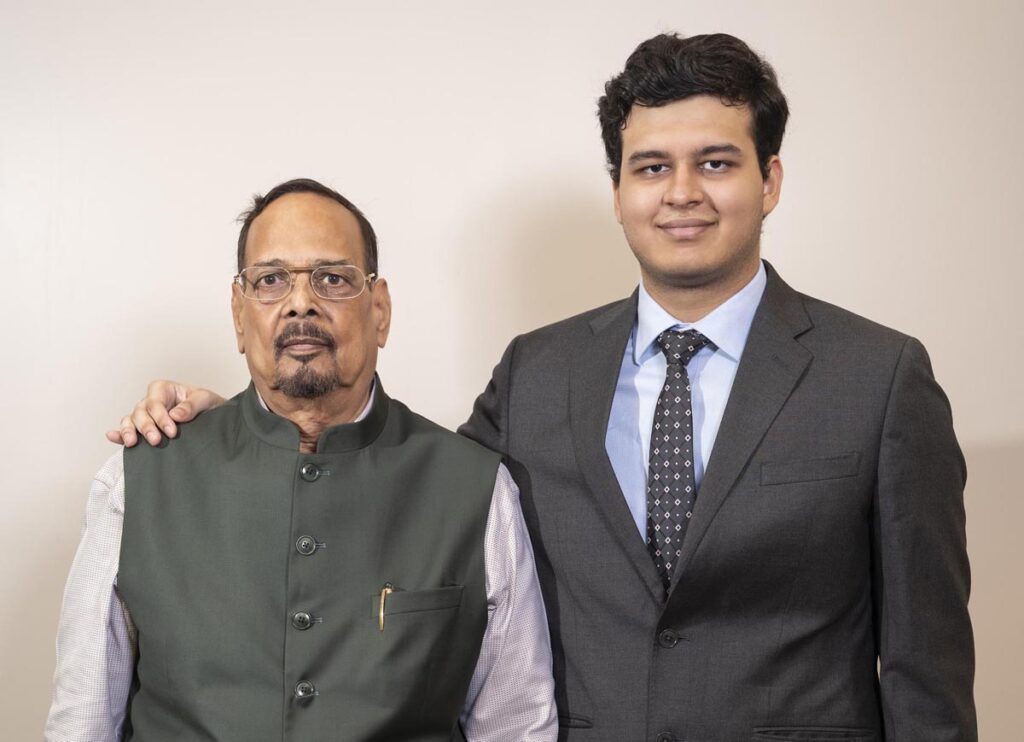
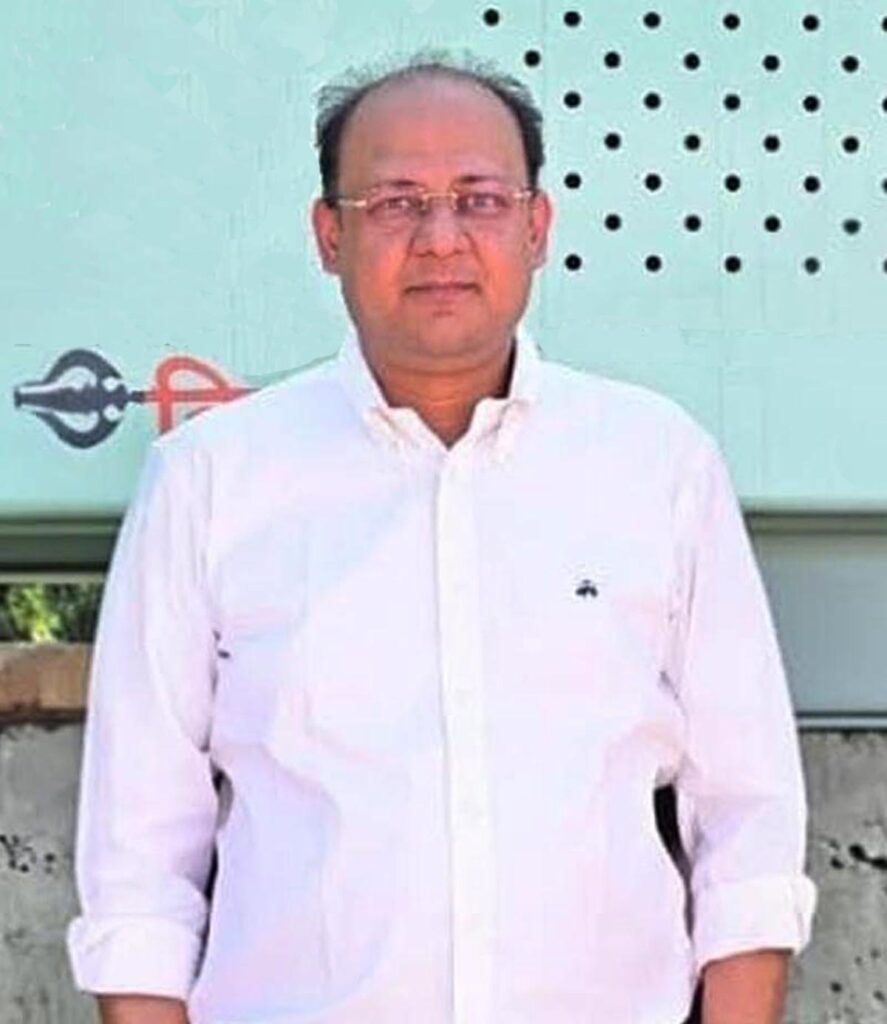
Founded in 1984, IVC Logistics entered the transportation sector at a time when the industry was largely unorganised and unable to meet the growing expectations of manufacturers. Identifying an opportunity to build a professionally managed transport company, the organisation focused on reliability, safety, transparency and long-term customer relationships.
As India’s automobile industry expanded, particularly in passenger vehicle manufacturing, the company recognised that vehicle logistics required specialised expertise, infrastructure and equipment. Unlike conventional freight transportation, automobile logistics demands damage-free handling, strict adherence to delivery schedules and seamless coordination with OEM production plans.
“We realised very early that automobile transportation required specialised solutions. We invested heavily in different carrier designs for cars, two-wheelers, tractors, commercial vehicles and buses, including dedicated designs for CBU movements. That strategic decision helped us evolve into one of India’s leading automobile logistics companies,” says Singhal.
Technology-driven growth
Over the past four decades, India’s automotive landscape has undergone a dramatic transformation. Vehicle designs have evolved, production capacities have increased and supply chains have become significantly more complex. Throughout this journey, IVC has remained focused on innovation.
A key differentiator for the company is its asset-backed business model. It operates more than 1,300 owned automobile carriers of various configurations and 12 owned railway rakes, enabling greater operational reliability and reduced dependence on external market capacity.
“Our philosophy, ‘Driving Innovation Through Technology’, is not merely a tagline but a guiding principle,” says Singhal.
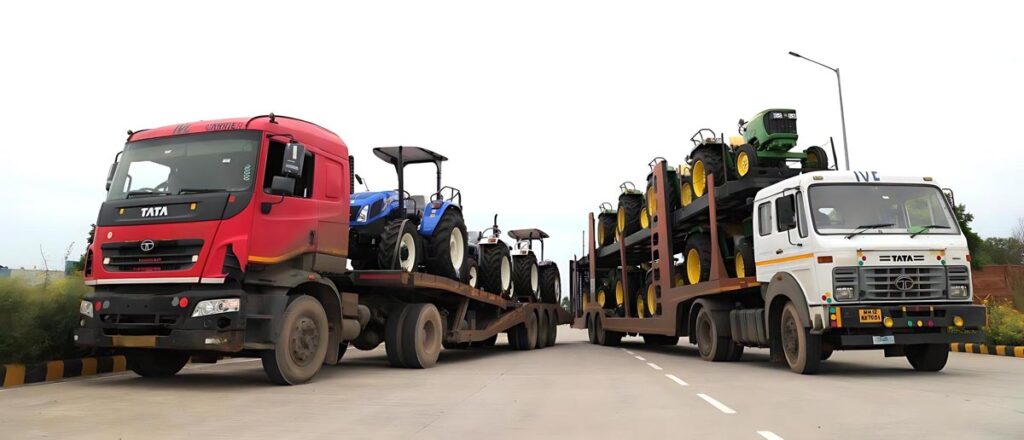
IVC was among the pioneers in introducing curtain trailer technology for automobile logistics in India and today operates over 750 curtain carriers. Its centrally managed Control Tower monitors fleet movement across the country, helping ensure industry-leading on-time performance.
The company has maintained long-standing relationships with several OEMs, serving Maruti Suzuki since 1984 and Kia since its entry into India in 2019. Today, it provides logistics services to almost every major manufacturer across the passenger vehicle, two-wheeler, commercial vehicle and tractor segments.
“Our core values remain customer commitment, innovation, integrity, operational excellence, safety and respect for people. At IVC, we proudly call ourselves the ‘IVC Parivaar’,” he adds.
Strong volumes
Maruti Suzuki India continues to be one of IVC’s largest customers. The company transports over 13,000 domestic cars every month for the OEM, including more than 9,000 vehicles by rail and around 4,000 by road.
For other passenger vehicle, two-wheeler and tractor manufacturers, IVC handles approximately 38,000 vehicles every month, of which around 2,000 move through rail and over 36,000 by road.
The company also plays a significant role in export logistics, transporting over 9,000 export vehicles every month from manufacturing plants and stockyards to ports through its dedicated road carrier network.
Overall, IVC handles more than 60,000 vehicles every month across domestic and export operations.
Continuous innovation
Innovation remains central to IVC’s strategy, particularly as vehicle dimensions continue to evolve with the growing popularity of SUVs and electric vehicles.
The company has deployed advanced dashcam systems across its fleet to improve visibility, monitor driver behaviour and enhance operational transparency. These systems have also strengthened accident investigation, claim management and driver coaching initiatives.
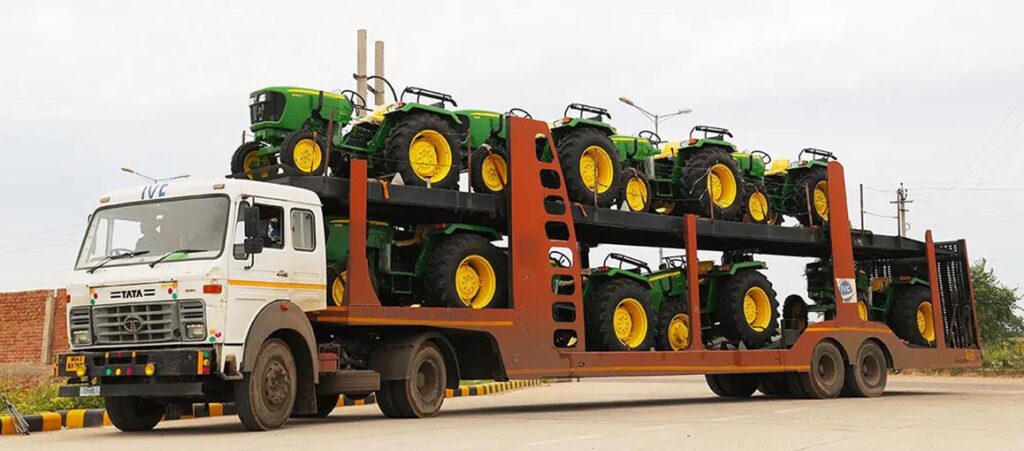
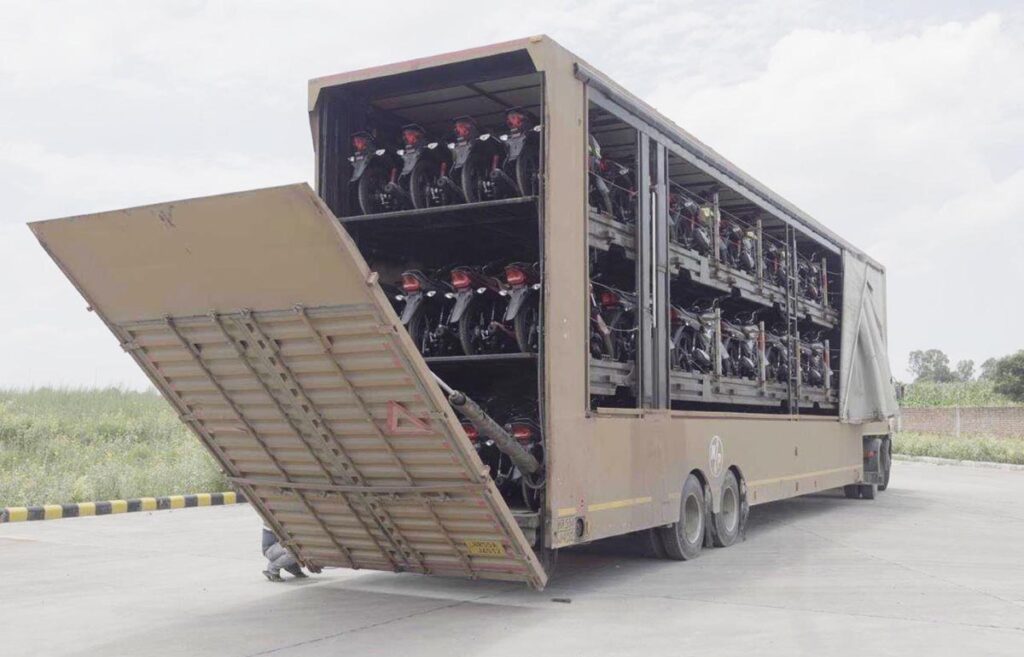
Among its major innovations is the development of high-capacity two-wheeler carriers in collaboration with LOHR of France. These carriers can transport up to 60 two-wheelers compared to the conventional capacity of around 40 units. Features include movable roofs, integrated sensors, movable tailgates and anti-roll bar technology to improve both safety and productivity.
IVC has also redesigned its curtain carriers to accommodate larger SUVs such as the Grand Vitara and Seltos. By modifying internal configurations and vehicle securing arrangements, the company can now transport up to eight SUVs on a single carrier while maintaining safety standards and improving logistics efficiency.
Rail leadership
Rail logistics has emerged as another major focus area for IVC.
Recognising the increasing share of SUVs in the market, the company initiated discussions with the Research Designs and Standards Organisation (RDSO), Lucknow, to develop taller railway wagons capable of transporting modern SUVs.
“We are proud to be the first automobile logistics company in India to collaborate with RDSO for developing the ACT rake design. The new double-decker wagon can transport up to 264 SUVs and represents a significant milestone for the industry,” says Singhal.
IVC has also simplified vehicle securing mechanisms by replacing conventional wheel chocks with curtain carrier-style lashing belts and stopper arrangements. The solution has improved operational efficiency while reducing handling complexity and costs, and has since been adopted for BCACBM railway wagons as well.
With the rapid growth of electric mobility, the company has modified its Chassis-on-Trailer (COT) carrier designs for transporting low-floor electric buses. Smaller tyre configurations and integrated loading ramps have significantly reduced loading angles and minimised the risk of vehicle damage.
Fleet modernisation
Fleet renewal continues to be an ongoing priority for IVC.
Nearly 45% of its fleet now comprises BS-VI prime movers, while the company has also initiated the transition towards CNG-powered vehicles as part of its green logistics roadmap.
According to Singhal, newer-generation prime movers have delivered improvements in fuel efficiency, fleet uptime, driver comfort and overall safety. Advanced telematics, enhanced braking systems, ergonomic cabins and more efficient powertrains have contributed to higher productivity and lower operating costs.
ADAS-enabled dashcams have further strengthened driver safety and enabled proactive fleet monitoring.
Strategic infrastructure
IVC’s facilities at Manesar, Pune and Gujarat serve as strategic operational hubs located close to major automotive manufacturing clusters.
These centres feature comprehensive maintenance infrastructure, inspection bays, spare parts inventories and trained technical personnel. Preventive maintenance programmes ensure maximum fleet availability while reducing breakdown risks.
The facilities also function as operational control centres responsible for fleet deployment, route planning and vehicle tracking, enabling faster turnaround times and near zero-defect deliveries.
Professional management
As the organisation has grown, IVC has gradually transitioned from promoter-driven operations to a professionally managed structure.
The company continues to be led by Chairman & Managing Director K.S. Singhal, who brings over 57 years of industry experience. Dedicated leadership teams now oversee specialised verticals covering road operations, rail operations and stockyard as well as warehouse operations.
While strategic decisions remain under the leadership team, day-to-day operations are managed through a structured reporting framework that emphasises transparency, accountability and quick decision-making.
Driver-first approach
Recognising drivers as the backbone of the logistics industry, IVC has established dedicated driver training centres across its major operational hubs.
Drivers undergo regular programmes covering defensive driving, fuel-efficient driving techniques, vehicle handling, technology adoption and customer expectations.
Beyond training, the company actively invests in driver welfare through health camps, recognition programmes, sports events and Driver Day celebrations.
“The industry’s biggest challenge today is driver availability. We believe the solution lies in treating drivers as valued professionals rather than merely operational resources. We are proud to have three generations of drivers from the same families working with us,” says Singhal.
Optimising turnaround
To improve turnaround times, IVC relies on its centralised Control Tower, which continuously monitors fleet movement while coordinating closely with OEM dispatch teams.
The company’s diversified customer base also helps improve return load opportunities, reducing empty running through efficient asset repositioning. Integration of rail and road operations further enhances network optimisation.
During seasonal demand peaks, such as festive periods and new product launches, IVC leverages predictive planning, dynamic scheduling and flexible fleet deployment to support OEM requirements without maintaining excessive idle capacity.
Multimodal future
With OEMs increasingly shifting long-distance vehicle transportation to rail, IVC views multimodal logistics as an opportunity rather than a challenge.
Owning 12 railway rakes positions the company favourably as rail transportation gains prominence for long-haul movements due to lower emissions and reduced highway congestion.
“Rail cannot serve the complete distribution chain. First-mile movement from plants to rail terminals and last-mile delivery from rail hubs to dealerships continue to depend on road transportation. Our integrated model combines the strengths of both modes to provide seamless end-to-end logistics,” explains Singhal.
The company also serves Tier-3 and Tier-4 markets through its extensive road network connected to rail distribution hubs.
Financial discipline
Operating in a capital-intensive industry requires prudent financial management.
According to Singhal, IVC’s investment philosophy is driven by customer demand, operational visibility and sustainable growth. The company focuses on fleet productivity, asset utilisation and working capital management while maintaining conservative leverage levels.
“We believe in predictive management. Every business partnership is backed by thorough financial and volume assessments, considering both top-line and bottom-line performance,” he says.
Sustainable growth
While logistics remains a moderate-margin business, IVC continues to maintain healthy financial performance through operational efficiency, improved asset utilisation, technology adoption and reduced empty running.
Investments in BS-VI vehicles, CNG-powered fleets, ADAS technologies, railway expansion and digital control tower operations are expected to further strengthen profitability.
Vision ahead
Looking towards the next decade, IVC aims to establish itself as one of India’s most technologically advanced, sustainable and integrated automobile logistics companies.
The roadmap includes expanding railway logistics capacity, developing next-generation rake designs, accelerating green fleet adoption, integrating AI-driven fleet management systems and continuing investments in infrastructure, people and innovation.
“Having successfully served the automobile industry for over four decades, our commitment remains unchanged – to deliver excellence and reliability. We will continue setting new benchmarks for automobile logistics in India,” concludes Singhal.