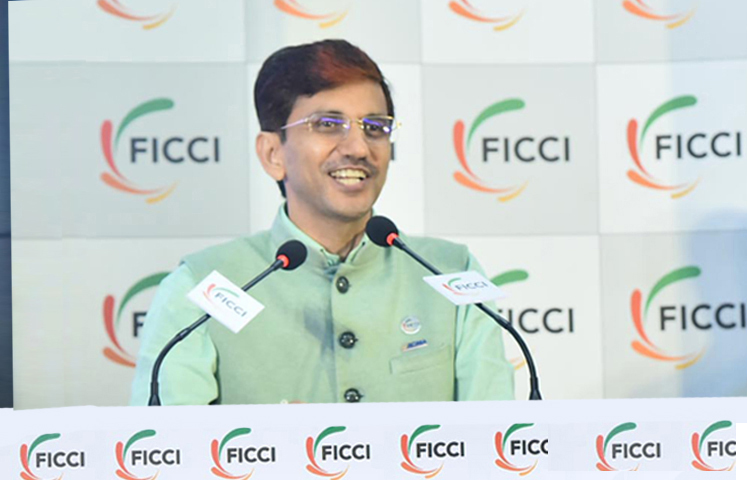
By Rama Shankar Pandey, Chairman – FICCI Road Safety, Chairman – BARS & EC Member ACMA
It gives sleepless nights to many leaders across India’s mobility industry that nearly eight decades after Independence, we continue to lose a fellow Indian every three minutes on our roads. Most of these deaths are preventable. Yet, no other country in the world loses so many lives to road crashes.
Today, road accidents remain India’s single largest cause of unnatural deaths, a silent epidemic that devastates families, weakens our economy, and challenges our collective conscience. As long as millions of Indians continue to face unacceptable risks on our roads every day, our journey towards sustainable mobility remains unfinished. India cannot truly become a Viksit Bharat by 2047 unless every citizen can travel safely, confidently and return home alive.
The latest Road Accidents in India 2024 report released by the Ministry of Road Transport & Highways (MoRTH) is a sobering reminder that India’s road safety crisis continues to deepen. In 2024 alone, the country recorded 4,87,707 road accidents, resulting in 1,77,175 fatalities and over 4.71 lakh injuries. While National and State Highways constitute only about 5% of the total road network, they continue to account for nearly 60% of all road fatalities. Two-wheeler riders remain the worst affected, accounting for 46.2% of all road deaths, followed by pedestrians (20.6%), underscoring the urgent need to protect vulnerable road users.
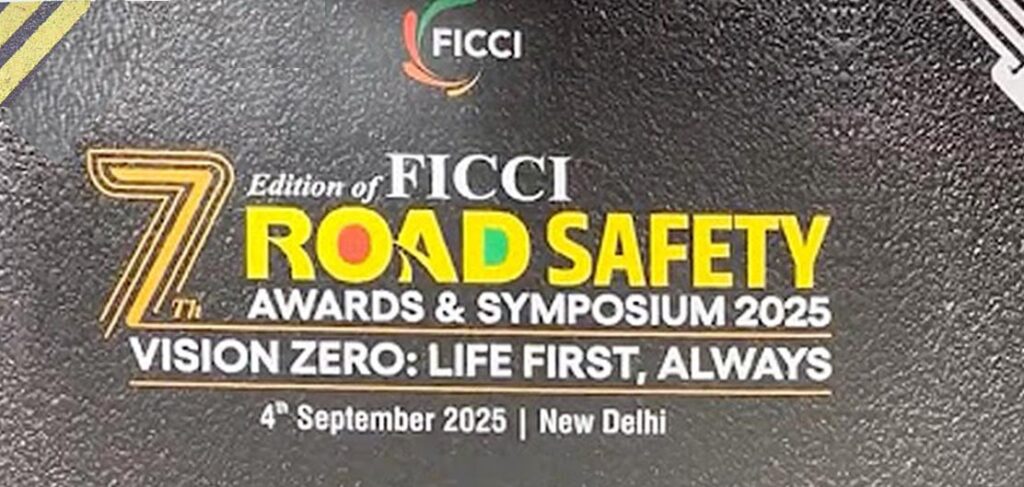
he burden continues to fall disproportionately on India’s young and economically productive population, with nearly two-thirds of all road crash victims belonging to the 18-45 age group. Beyond the immeasurable human suffering, road crashes rob families of breadwinners, place enormous pressure on healthcare systems, and cost the nation an estimated 3–5% of GDP annually. Globally, road traffic crashes claim around 1.19 million lives every year, with the overwhelming majority occurring in low- and middle-income countries. India’s numbers make it one of the largest contributors to this global burden.
While India stands at a defining moment in its mobility journey, can progress truly be called progress if it comes at the cost of human lives? We are witnessing unprecedented growth in highway infrastructure, vehicle manufacturing, logistics, public transport, and digital mobility. As one of the world’s fastest-growing automotive markets, our ambition is clear – to become a global leader in mobility and manufacturing. As we move towards 2030, however, this question of losing so many Indians to Road Accidents, deserves equal attention.
India has made remarkable progress in recent years. Safer highways, stronger regulations, improved vehicle standards, better emergency response systems, and the growing adoption of advanced safety technologies are all moving us in the right direction. Technologies such as Advanced Driver Assistance Systems (ADAS), connected vehicles, intelligent fleet management, electronic stability control, fatigue monitoring, and AI-driven analytics are changing the way we approach road safety.
India’s road safety challenge is no longer a problem of technology or awareness. It is a problem of execution at India Scale.
Every year, thousands of experts gather in conferences, policy discussions, and workshops to deliberate on safer roads. These conversations are important, but they save lives only when they translate into action on the ground. Road safety is ultimately decided not in conference rooms but on the roads where people drive, walk, ride, and commute every day.
Road safety cannot become a national movement unless leaders across Samaaj (Society), Sarkaar (Government), and Bazaar (Industry & Markets) lead from the front. The first rule of leadership is simple – Charity begins at home. Every leader must demonstrate safe behaviour before expecting it from citizens, employees, customers or communities.
No CEO, bureaucrat, politician, NGO leader, police officer, or citizen can expect society to change unless they themselves and their network of people demonstrate safe behaviour. Wearing a helmet every ride, fastening a seat belt every journey, obeying speed limits, avoiding mobile phone use while driving, and refusing to drink and drive are not compliance activities – they are acts of leadership. People imitate what leaders do far more than what leaders say.
When organisations make road safety part of their HR policies, supplier agreements, fleet operations, and leadership scorecards, they create a culture where safe behaviour becomes the norm rather than the exception. Safety cannot remain an annual awareness campaign, it must become a daily leadership practice. This philosophy has increasingly been echoed into industry-led initiatives where awareness is moving towards measurable commitment and accountability.
The Government Alone Cannot Solve This Crisis. Road crashes are among the most complex public health and development challenges facing India. Expecting governments alone to solve this problem is unrealistic.
Road safety involves engineering, enforcement, education, emergency care, vehicle safety, insurance, technology, urban planning, workplace practices, citizen behaviour, media, academia, and community participation. When these stakeholders work in silos, their collective impact remains fragmented.
India needs a fundamentally different operating model. one that synchronizes the strengths of Samaaj, Sarkaar & Bazaar. The government provides policy and enforcement. Industry brings innovation, technology, investment, and scale. Civil society mobilises communities, creates behavioural change, and sustains public demand for safer roads. Only when these three forces work together can interventions reach India’s population at the speed and scale required.
It is very encouraging that many of India’s most respected, credible, and neutral road safety leaders are realising the need to bring integration of their efforts beyond their own organisations and initiatives like BARS – Bharat Association of Road Safety Volunteers (BARS) is making a lot of efforts to bring Speed and Scale through Synchronization of otherwise fragmented Road Safety interventions across Samaaj, Sarkaar and Bazaar.
More than 1500 leaders signed the New Delhi Declaration, including Dr. Mats-Åke Belin, Global Lead – Decade of Action for Road Safety, World Health Organization (WHO) & Sh. V. Umashankar, Secretary (RT&H), Ministry of Road Transport & Highways, Government of India, is a good step forward to strengthen the movement to save lives on Indian Roads, in a system approach, in a scientific manner.
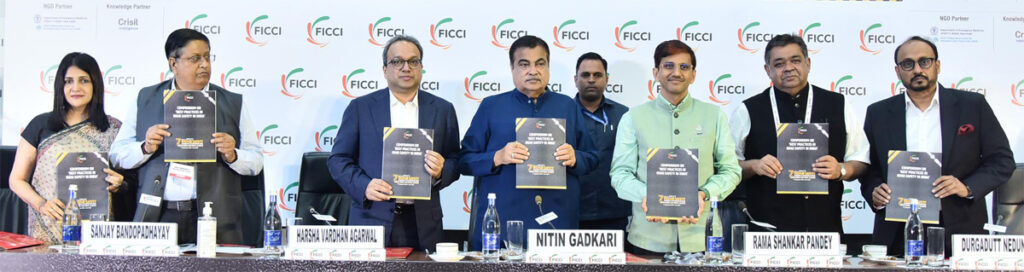
The journey towards 2030 to reduce fatalities and injuries by 50%, demands a shift in mindset. Instead of asking who is responsible after a crash, we should ask what can be done to prevent crashes or reduce their severity when they occur. This systems-based approach has delivered encouraging results across many countries and offers valuable lessons for India.
Road safety cannot become another government scheme or another CSR project. It must become a people’s movement. When citizens demand safer roads, governments prioritise them. When industries embed safety into their operations, supply chains, and products, behaviours change. When leaders practice what they preach, society follows.
The time for fragmented efforts has passed. India has the knowledge, technology, institutions, and leadership required to dramatically reduce road deaths. What we now need is synchronisation, accountability, and the collective resolve to act.
This is India’s greatest opportunity. For the commercial mobility sector, this collaboration becomes even more important. Trucks, buses, logistics fleets, and public transport systems are the backbone of India’s economy. Every safe journey supports uninterrupted supply chains, stronger businesses, and safer communities.
One of the most important contributors to this ecosystem is also the professional driver. Driver welfare must become a central pillar of road safety. Better training, adequate rest, improved working conditions, access to healthcare, continuous skill development, and recognition of drivers as skilled professionals are investments in safer mobility. A respected and empowered driver is far more likely to make safe decisions on the road.
Every statistic represents a parent, a child, a colleague, or a friend. Every life saved strengthens a family, a business, and the nation. The true success of India’s mobility revolution will not be measured only by faster highways, smarter vehicles, or larger manufacturing capacities. It will be measured by how effectively we ensure that every individual return home safely.
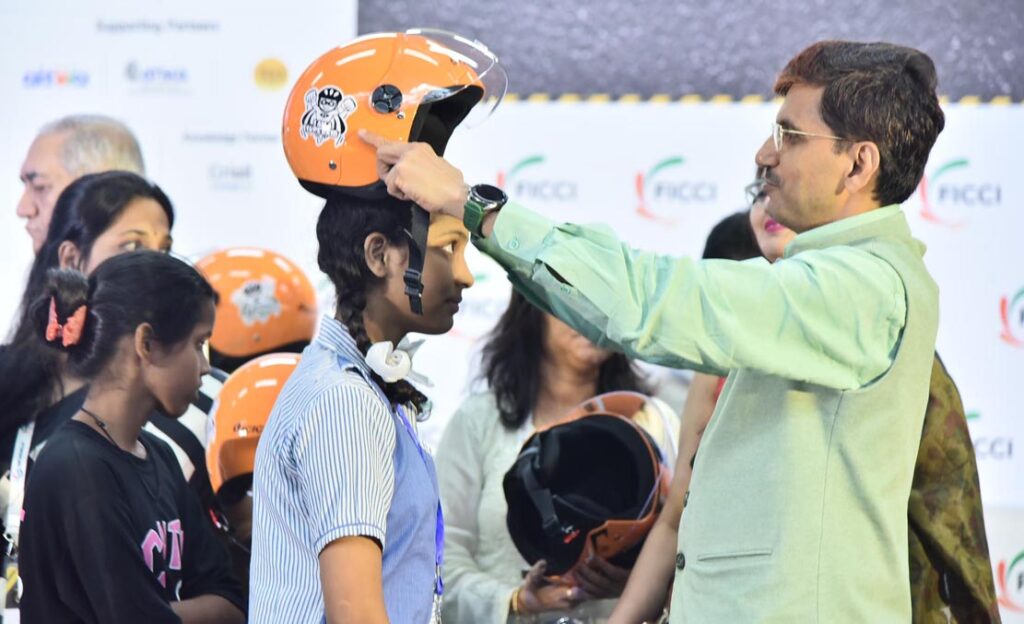
As MOTORINDIA celebrates 70 remarkable years of chronicling the evolution of India’s automotive and commercial vehicle industry, this milestone offers an opportunity to reaffirm our collective commitment of saving lives on Indian Roads. The road to 2030 presents immense opportunities for innovation, growth, and global leadership. Let safety guide every decision, every investment, and every journey.
“India’s road safety challenge is no longer a problem of technology or awareness. It is a problem of execution at India Scale.”