The next decade belongs to companies that can grow without leaving a heavier footprint behind — those who see sustainability not as a cost, but as the smarter way to innovate, says Mr. Shankar Rajaram, Head of Sales, Industry Division – INDO, Grundfos.
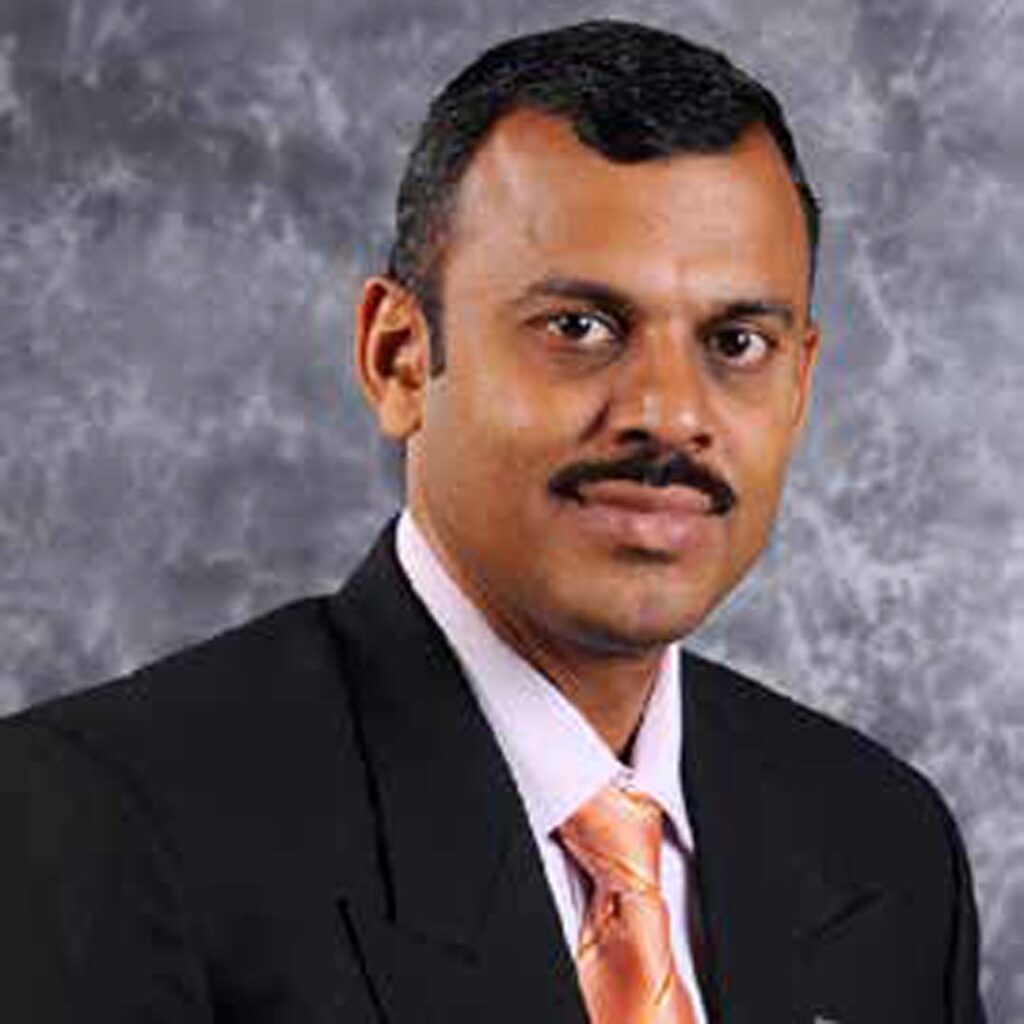
The automotive, commercial vehicle, and mobility sectors are entering one of the most transformative decades in their history. By 2030, “we expect sustainability, electrification, digitalisation, and resource efficiency to fundamentally reshape how vehicles are manufactured and how mobility ecosystems operate, he said.
Electrification will continue to accelerate across passenger and commercial mobility segments, driving significant investments in battery manufacturing, EV component production, and charging infrastructure. At the same time, manufacturers will increasingly focus on reducing their environmental footprint by optimising energy consumption, water use, and emissions across their operations.
Another major trend will be the convergence of digital technologies and industrial operations. Intelligent automation, real-time monitoring, predictive maintenance, and data-driven decision-making will become standard practices in manufacturing facilities. These technologies will help companies improve productivity, resilience, and sustainability while reducing operational costs.
Water stewardship will also emerge as a critical business priority. As environmental regulations become more stringent and water stress intensifies in several regions, manufacturers will need to adopt advanced water management strategies, including reuse, recycling, and Zero Liquid Discharge (ZLD) systems. The ability to produce more with fewer resources will become a key competitive differentiator.
Ultimately, the winners of the next decade will be organizations that successfully balance growth with sustainability, leveraging innovation to reduce both energy consumption and environmental impact.
Vision 2030
“Our purpose is to pioneer solutions to the world’s water and climate challenges while improving quality of life for people. Sustainability is not a separate agenda for us, it is the foundation of how we innovate, operate, and create value for customers.
The company’s vision is to accelerate water and energy transformation across industries through intelligent pumping solutions that optimise resource consumption and efficiency. Its priorities are reducing energy consumption through high-efficiency pumping technologies, supporting sustainable water management through advanced treatment and recycling solutions, and expanding digital tools that improve reliability and enable predictive maintenance.
Grundfos is committed to validated 2030 climate targets and a net-zero pathway, believing that collaboration, innovation, and responsible resource management are essential. By 2030, the company envisions industrial growth and sustainability advancing together — where water and energy are used more intelligently, keeping industries competitive while building a more sustainable world.
“Intelligent automation, real-time monitoring, predictive maintenance, and data-driven decision-making will become standard practices in manufacturing facilities.”