GNA Axles, a leading manufacturer of automotive transmission components, already has a strong presence in the US truck market and now wants to deal directly with Europe’s leading truck makers. At IAA Transportation 2026, the Indian component maker showcased its commercial vehicle range, aiming to win direct business from companies in this region.
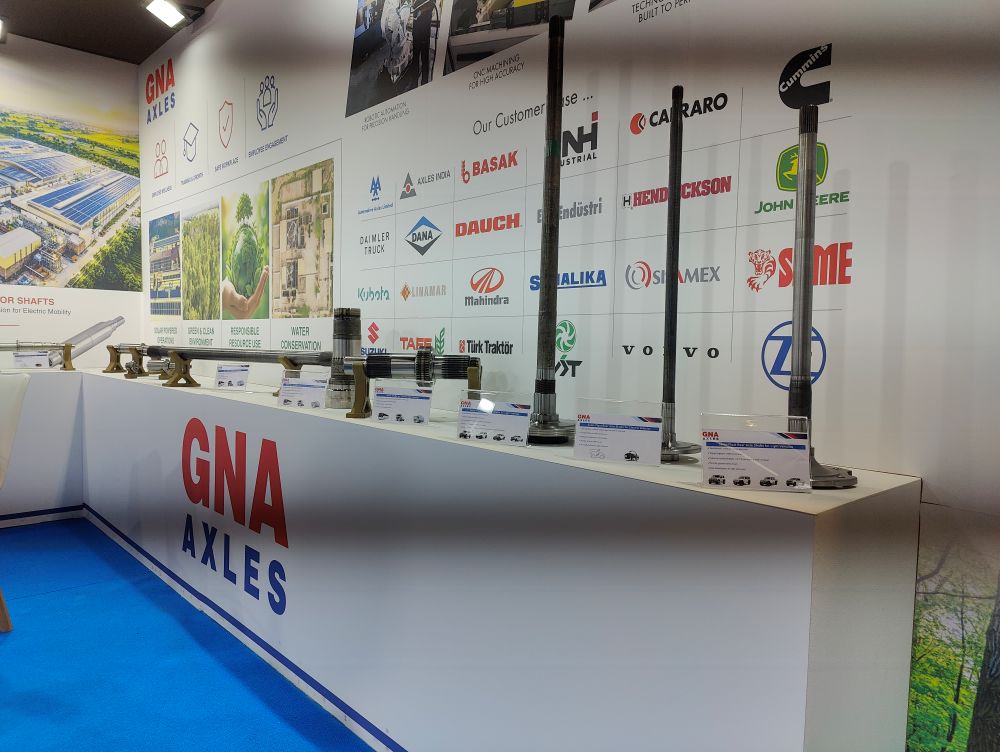
Today, GNA’s parts reach some of these companies indirectly. “We supply the components to Cummins,” Mr. Akash Walia, Sr. Manager, Quality Engineering, GNA Axles, told this publication. Cummins builds them into assemblies and supplies them to Scania. Since these truck makers also make their own assemblies, GNA hopes to sell to them directly, and Mr. Walia said the show brought some good enquiries.

Founded in 1994, GNA makes transmission and driveline components for off-highway, heavy and light commercial vehicles. Now it is expanding its range for electric vehicles also. Most of what it makes is exported rather than sold in India. Its biggest market is the US, where, Mr. Walia said, eight out of every ten trucks on the road use GNA parts.
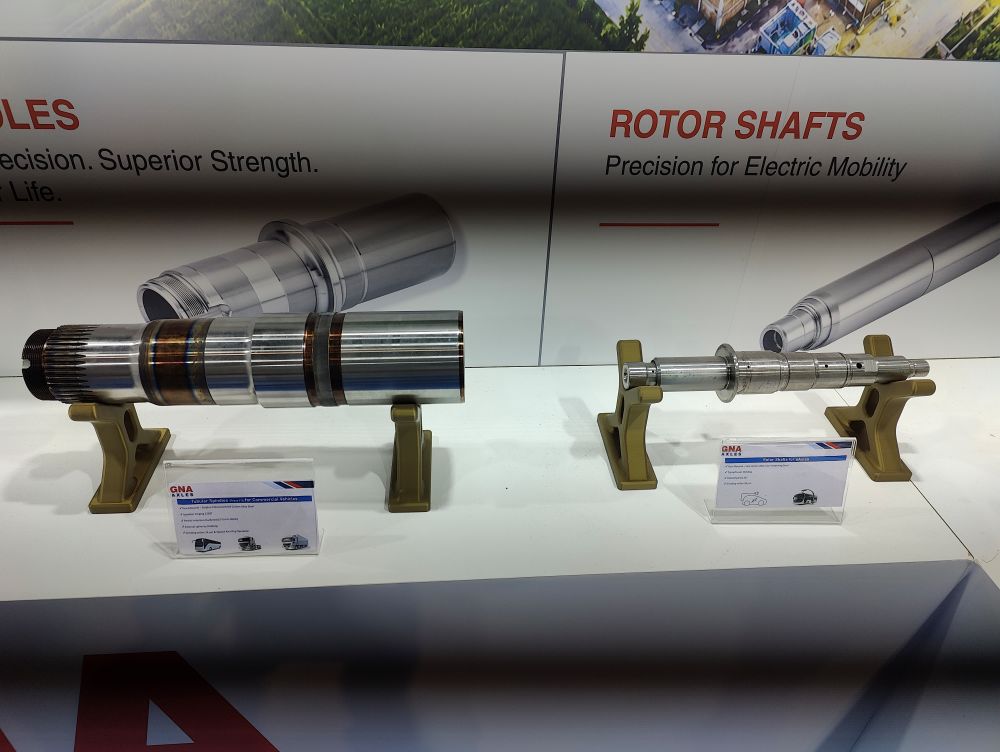
At the show, GNA focused on its commercial vehicle range. Smaller components on display go into passenger cars, while larger ones go into buses, trucks and semi-trailers. Its off-highway parts, used in tractors and construction equipment, were not displayed. The newest section of the stand featured rotor shafts and driveline components for electric vehicles, a business the company started just a year ago.
GNA has plenty of room to grow. Its first plant makes off-highway components for agriculture and construction, with a capacity of around 1.2 million components a year. Its second plant has separate sections for passenger vehicle parts, commercial vehicle parts and spindles, and can make up to five million components a year.
The company deliberately runs its plants at about 80% of capacity, keeping 20% spare. That buffer helps it handle sudden spike in orders and market swings, which matter more than ever as supply chains face shortages of raw materials, workers and shipping containers. It also gives the company a backup if a production line breaks down.
As a quality engineer, Mr. Walia said he always looks at what could go wrong first. “You have to prepare for the worst in order to get the best experience,” he concluded.