By Ravichandran Srinivasan
From expanding deeper into Bharat and strengthening multimodal connectivity to deploying AI across operations and enhancing sector-specific solutions, Blue Dart is preparing for the next phase of growth. Dipanjan Banerjee, Chief Commercial Officer, Blue Dart Express, discusses the company’s commercial priorities, technology roadmap and vision for the future of express logistics in India.

India’s express logistics sector is evolving rapidly as supply chains become more complex and customer expectations continue to rise. For Blue Dart Express, sustaining market leadership requires more than expanding its network – it calls for continual investments in infrastructure, technology and service excellence.
Leading this commercial transformation is Mr. Dipanjan Banerjee, Chief Commercial Officer at Blue Dart Express. Drawing on nearly two decades of experience across leading logistics companies including FedEx and Ecom Express, Banerjee believes logistics is fundamentally built on trust.
“Logistics is ultimately a trust business. Customers no longer just want a vendor; they want a partner who can absorb uncertainty and still deliver,” says Dipanjan.
Focusing on quality growth
According to Banerjee, Blue Dart’s commercial strategy is centred on three key priorities over the next few years – expanding infrastructure beyond metropolitan cities, deploying technology that addresses real customer challenges, and developing specialised logistics solutions for sectors such as healthcare, automotive and electronics.
Rather than chasing volumes alone, the company focuses on sustainable growth by closely monitoring customer retention and service reliability.
“Growth without discipline is just noise. Sustainable growth comes from earning trust consistently. We are very deliberate about the quality of growth we pursue, not just how much, but for whom and at what service standard,” he explains.
Leveraging the DHL advantage
As part of the DHL Group, Blue Dart combines its strong domestic presence with one of the world’s largest international logistics networks. DHL’s majority stake enables Indian businesses to access seamless global connectivity across more than 220 countries while benefiting from consistent service standards and compliance support.
This global backing, coupled with Blue Dart’s extensive domestic network, provides customers with a unique blend of local expertise and international reach.
Infrastructure remains the biggest differentiator
While technology-led logistics start-ups have transformed customer expectations, Banerjee believes large-scale physical infrastructure continues to provide Blue Dart with a significant competitive advantage.
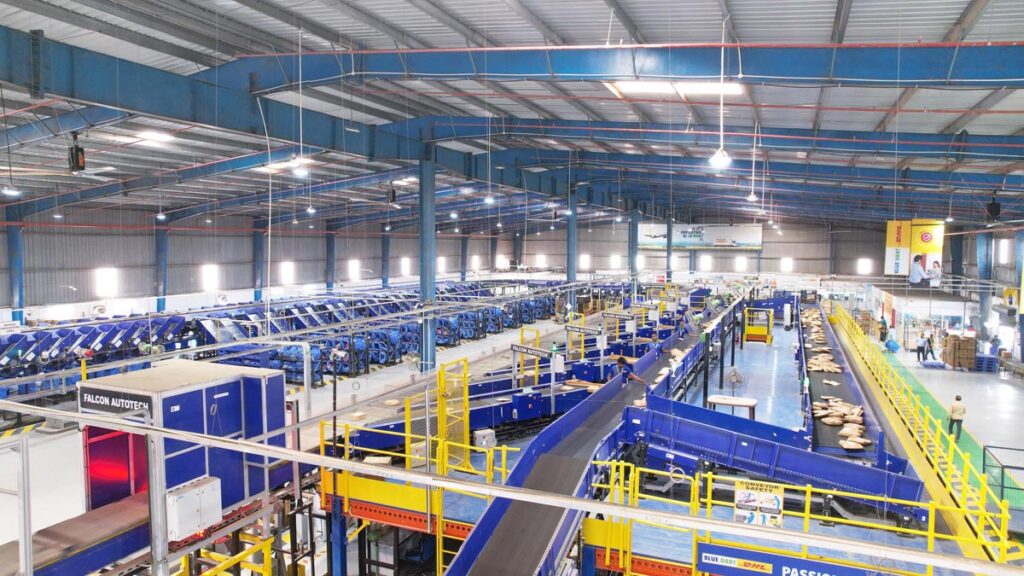
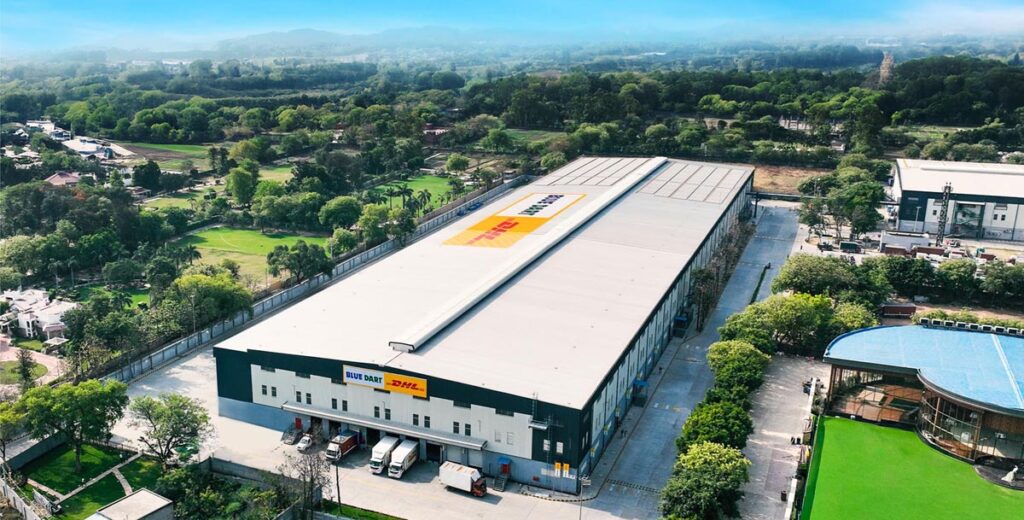
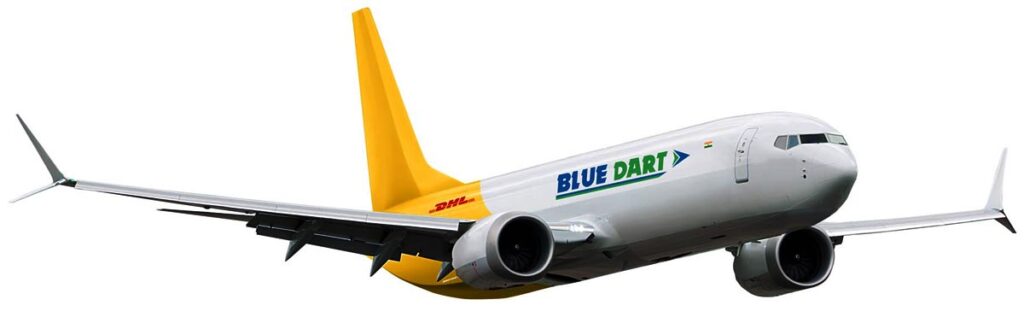
The company operates a dedicated aviation network alongside an extensive surface transport operation spanning over 56,000 locations across India. This integrated model enables Blue Dart to respond effectively to disruptions while maintaining high service reliability for time-critical shipments.
“Technology is an important enabler, but our differentiator lies in combining technology with physical infrastructure, operational expertise and a trusted network that has been built over decades,” he notes.

Building deeper into Bharat
Blue Dart has been steadily strengthening its presence across Tier-2 and Tier-3 markets, supported by a network covering more than 19,000 pin codes and complete pin code coverage across 16 states and Union Territories.
Its hub-and-spoke model integrates major consolidation centres with local delivery networks through real-time visibility, dynamic route optimisation and demand forecasting, enabling efficient last-mile operations even in remote regions.
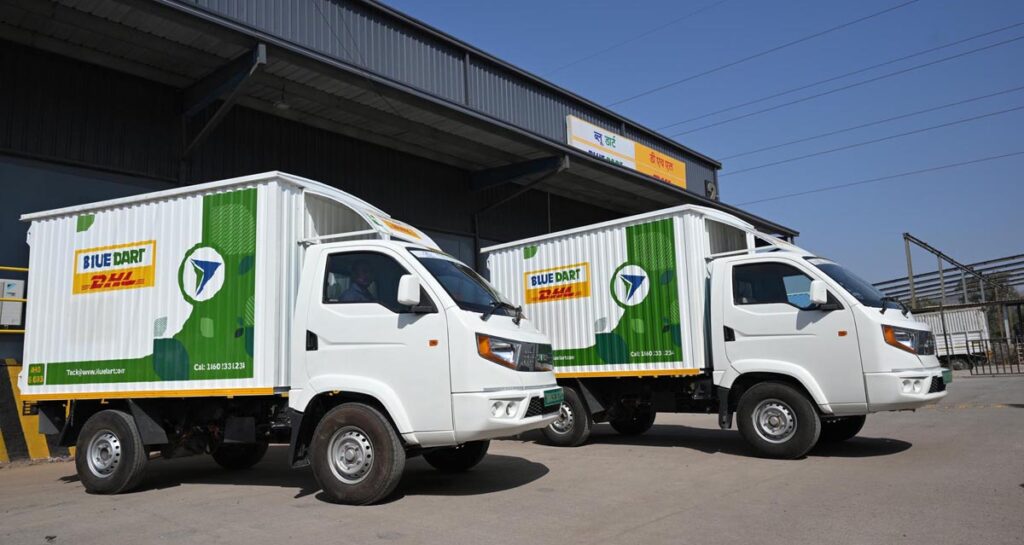
The company currently deploys dedicated air cargo services, an extensive surface fleet of over 33,000 vehicles, an expanding electric vehicle fleet and rail services on select long-haul corridors to optimise speed, cost and reliability.
AI powering smarter logistics
Artificial Intelligence has become an integral part of Blue Dart’s operations, helping improve demand forecasting, route optimisation, anomaly detection and warehouse efficiency.
Customer-facing platforms such as TrackDart provide predictive delivery estimates, proactive exception alerts and real-time shipment visibility, reducing uncertainty throughout the delivery journey.
Banerjee also highlights reverse logistics as a major opportunity for e-commerce businesses. By combining predictive analytics with streamlined pickup management and real-time tracking, Blue Dart aims to reduce Return-to-Origin (RTO) costs while improving customer retention for direct-to-consumer brands.
Automotive remains a key growth sector
Among the sectors served by Blue Dart, healthcare, automotive, BFSI, electronics, retail and e-commerce continue to be major contributors. While e-commerce remains the fastest-growing vertical, automotive logistics continues to demand some of the company’s highest service standards.
“In automotive logistics, there’s no such thing as ‘close enough’. A delayed component can halt an entire production line. Our multimodal network gives OEMs and component manufacturers the speed and reliability their just-in-time operations demand,” Banerjee says.
Investing in people and sustainability
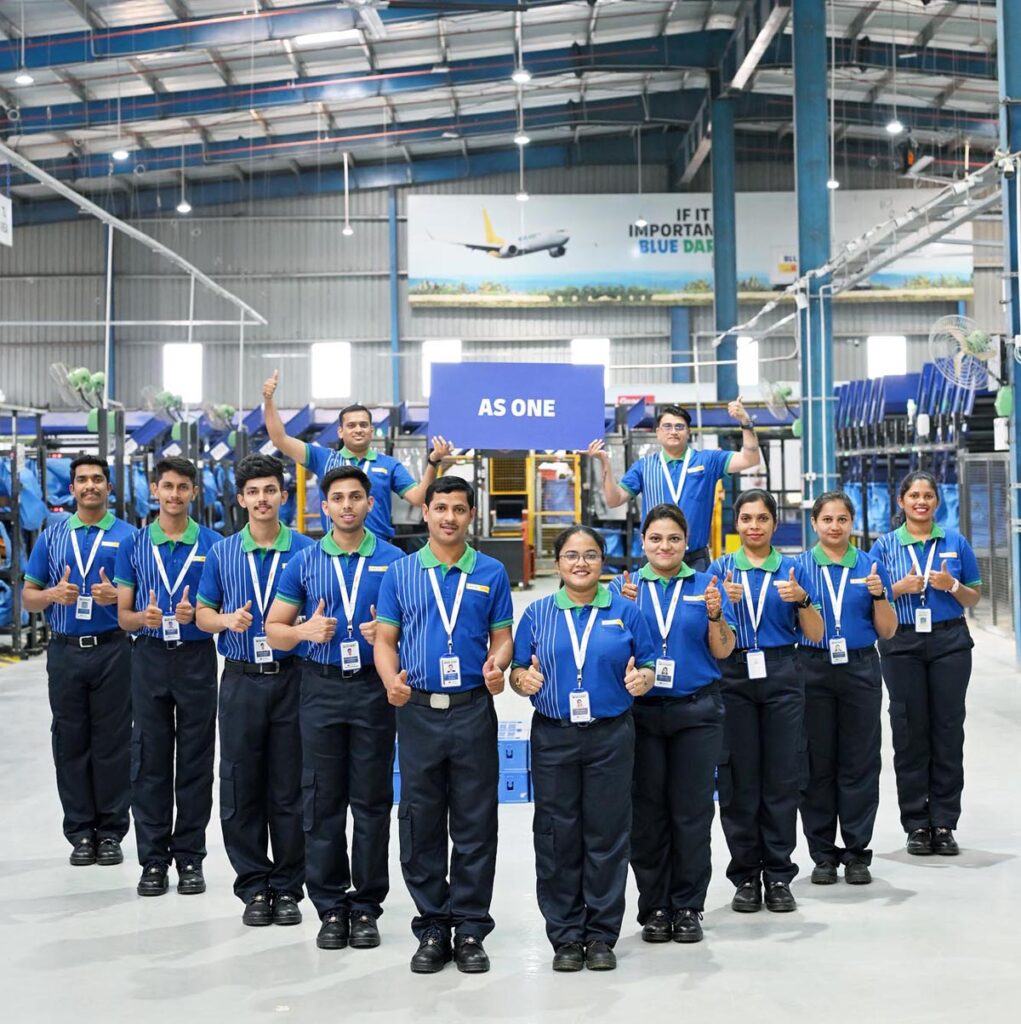
Blue Dart employs more than 14,600 people directly while working with a much larger contractual workforce across its nationwide operations. Regardless of employment model, every employee follows common training, safety and service standards to ensure a consistent customer experience.
On the sustainability front, the company continues to expand its environmental and social initiatives. These include planting one million trees, operating over 600 electric delivery vehicles and supporting multiple community development programmes spanning education, healthcare and access to clean drinking water.
Customer-first culture
Despite rapid advances in automation and AI, Banerjee believes people remain the defining factor behind successful logistics operations.
“I emphasise three things above all – ownership, honesty with customers and a solutions-first mindset. Great commercial teams don’t just sell; they listen. Understanding a customer’s business deeply enough to anticipate their logistics needs before they articulate them is where real partnerships are built,” he concludes.