Company has recently bagged large-scale STU orders and is fast expanding its dealer-led network across India
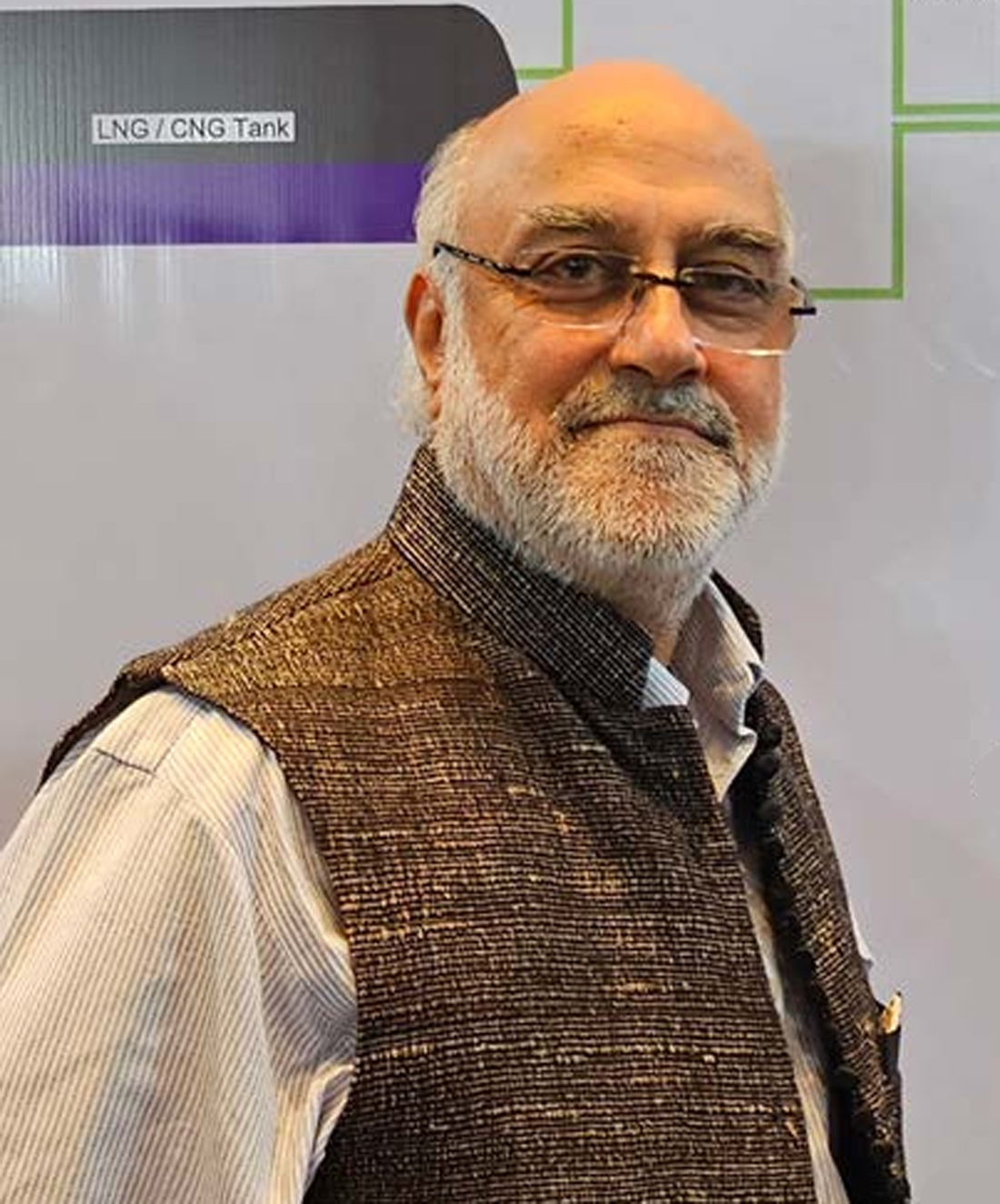
In a sector where the shift to cleaner fuels is often discussed but slowly implemented, Amol Prala Clean Energy has quietly built a foundation in retrofitting diesel commercial vehicles to run on CNG and LNG. In just over four years, the company has secured significant state transport undertakings (STU) orders and established a growing dealer-led network across India. At the centre of this journey is its focus on extending the life of existing vehicles while reducing emissions and operating costs.
Founded around four and half years ago, the company was built on a simple yet practical idea; convert existing diesel trucks and buses into cleaner fuel alternatives rather than waiting for full fleet replacement. The concept found strength through the technical expertise of Mr. Piyush Singh, who has been associated with CNG conversions since the early 2000s, including during the transition triggered by regulatory changes in New Delhi.
“We started with the vision of converting existing diesel vehicles to cleaner fuels like CNG and LNG; the idea was to make sustainability practical and accessible for fleet operators,” says Mr. Shreyas C. Sheth, Director, Amol Prala Clean Energy. Shreyas adds that LNG, in particular, was always seen as a strong solution for long-haul trucking due to its range and efficiency advantages.
The company’s early traction came from the bus segment, especially through STUs. One of its major breakthroughs was supplying systems for over 450 buses for MSRTC, marking a strong entry into large-scale institutional adoption. The company has also secured a large order, including LNG conversion projects that are now moving towards implementation.
Building Early Success Through the Bus Segment
The initial success in the bus segment was driven by a combination of regulatory push and operational economics. State transport undertakings were under pressure to reduce emissions while managing costs, making CNG and LNG retrofits an attractive proposition compared to outright fleet replacement.
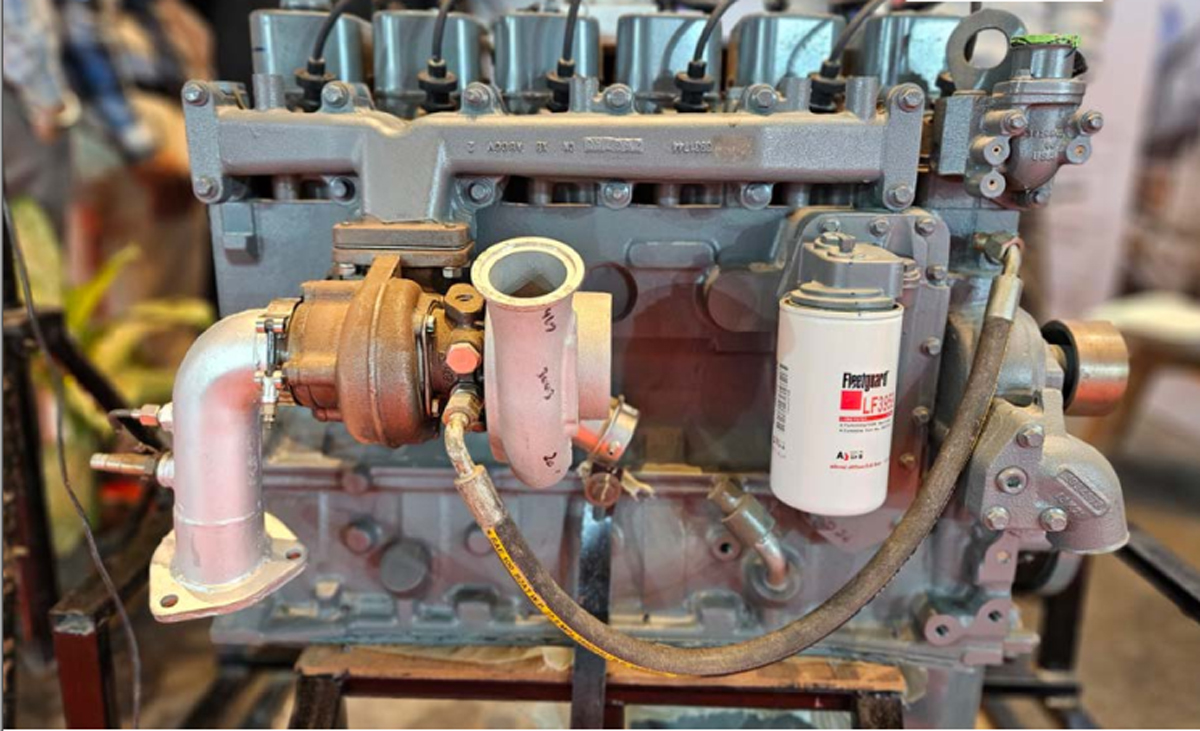
“The first large opportunity came from Maharashtra; supplying systems for hundreds of buses gave us both scale and credibility in the market,” explains Shreyas. He notes that while buses were quicker to adopt due to policy alignment, private fleet operators in the trucking segment have been more cautious.
This hesitation, according to him, stems largely from fuel price uncertainties. While CNG and LNG once offered a significant cost advantage over diesel, the price gap has narrowed in recent years. Fleet operators remain wary of investing in conversion if fuel economics become unpredictable over time.
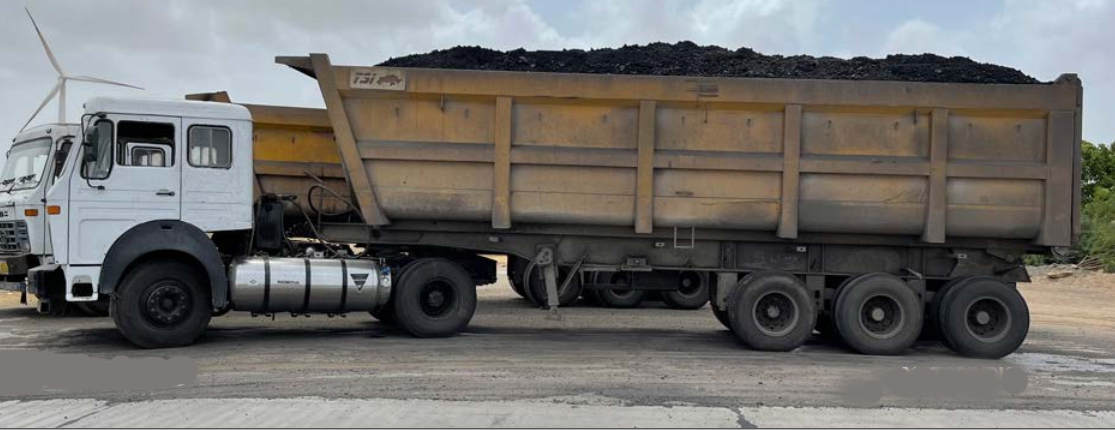
Despite this, LNG is beginning to gain traction, particularly as fuelling infrastructure improves. “With LNG, operators are seeing clear benefits in terms of range; a single fill can allow operations of up to 1,000 kilometres or more, which makes it viable for long-haul applications,” Mr. Sheth points out.
The company already has running examples to validate this. In Nashik, LNG-converted buses have been operating consistently for over a year, clocking 350 to 450 kilometres daily without major breakdowns, reinforcing confidence in the technology.
Dealer-Led Expansion and Service Capability
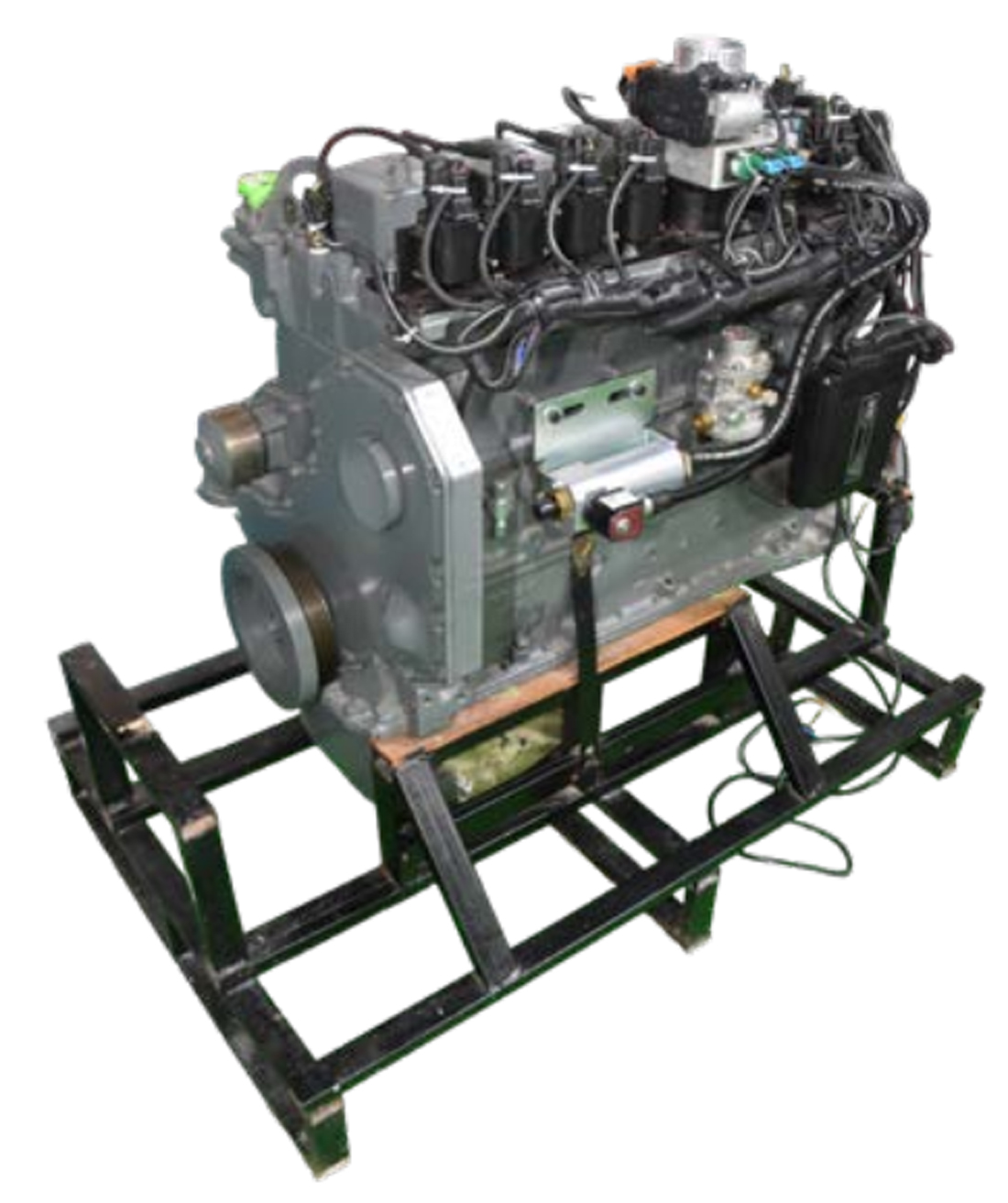
A key differentiator in Amol Prala Clean Energy’s approach is its dealer-driven business model. Instead of directly handling conversions, the company partners with independent workshops that have strong capabilities in maintaining heavy commercial vehicles.
“We operate through a dealer network; our role is to provide the technology, training and systems, while the dealer executes the conversion and handles after-sales service,” says Shreyas. This model allows scalability while ensuring localised service support, which is critical for fleet uptime.
The company has already established a presence across multiple states including Gujarat, Maharashtra, Rajasthan, Orissa, Tamil Nadu, Kerala and Andhra Pradesh, with further expansion underway. Dealer selection is stringent, focusing on workshop infrastructure, technical capability and, importantly, after-sales readiness.
“We ensure that every dealer has the ability to support the customer post-installation; after-sales service is as critical as the conversion itself,” he explains. This ensures that operators are not left dependent on the company for routine maintenance, creating a more sustainable ecosystem.
From a business standpoint, the model also benefits dealers, who earn from installation as well as ongoing service and maintenance, making it a viable long-term opportunity for them.
Technology Strength, Approvals and Cost Advantage
At the core of the company’s offering is its technology platform, backed by regulatory approvals and global sourcing standards. Amol Prala Clean Energy has secured type approvals from ICAT for both CNG and LNG systems across more than 80 vehicle models.
“We have ensured that our systems meet all regulatory requirements; our approvals cover a wide range of vehicles from 16-tonne to 55-tonne categories,” says Shreyas. The company has also worked on engines such as the 6.7-litre platform, further expanding its applicability.
One of the strongest value propositions lies in cost economics. While a new LNG vehicle can cost upwards of ₹70-80 lakh, retrofitting an existing vehicle can be done at a fraction of that cost. Importantly, the company advises conversions only after the OEM warranty period ends, ensuring customers do not face conflicts with original manufacturers.
“We can modify the existing engine; but we are effectively offering a new gas engine system, which gives the vehicle a second life,” Shreyas notes. This approach allows operators to extend vehicle usage by another seven to eight years without the need for large capital expenditure.
Performance metrics further strengthen the case. According to the company, converted vehicles can deliver 10–15 percent better mileage compared to diesel, with some cases reporting even higher efficiency gains under consistent operating conditions.
Market Challenges and the Road Ahead
Despite proven technology and clear benefits, the pace of adoption in the trucking segment remains slower than expected. Policy ambiguity, fuel price concerns and limited infrastructure have all contributed to cautious decision-making among fleet operators.
“The biggest challenge today is uncertainty; operators are not sure how fuel prices will behave in the future, and that impacts their investment decisions,” he says. He adds that clearer policy direction and stable pricing frameworks could significantly accelerate adoption.
The company’s own growth reflects this reality. While it initially targeted over 1,000 conversions annually, it has so far achieved around 300 to 400 conversions per year. However, with larger bus orders now in the pipeline and LNG infrastructure gradually expanding, the outlook appears more positive.
Looking ahead, the ambition is clear. “Even reaching 2,000 to 3,000 conversions annually would be meaningful; given the number of ageing vehicles on Indian roads, the potential impact on emissions reduction is substantial,” Mr. Sheth shares.
Amol Prala Clean Energy is also continuing to invest in R&D, working closely with global component suppliers and partners in India to improve system efficiency and durability. With development efforts based out of Ahmedabad and Delhi, the company is focused on refining its offerings in line with evolving regulatory and market needs.
In a market dominated by new vehicle sales, retrofit solutions like these offer a practical bridge towards cleaner mobility. By combining cost efficiency, proven performance and a scalable service model, Amol Prala Clean Energy is positioning itself as a relevant player in India’s transition to alternative fuels; one converted vehicle at a time.