From compliance-heavy operations to fast, just-in-time deliveries, the company handles diverse industry needs with a flexible, end-to-end logistics approach.

For a long time, logistics was seen as a support function—something that quietly worked in the background. But that view is changing fast. Today, companies are beginning to see logistics not just as a cost centre, but as a key part of their growth strategy.
This shift is clearly reflected in how companies like Allcargo Logistics Limited are rethinking their business approach. Instead of offering standard services, the focus is now on building solutions around each client’s needs.
Speaking to this publication, Mr. Karan Puri, Head – Sales (Consultative Logistics), Allcargo Logistics Limited, said, the core of this approach is what he categorised as consultative logistics model. It brings together warehousing, transportation and distribution into one integrated system. But more importantly, it takes full ownership of the supply chain, allowing clients to focus on what they do best—their core business.
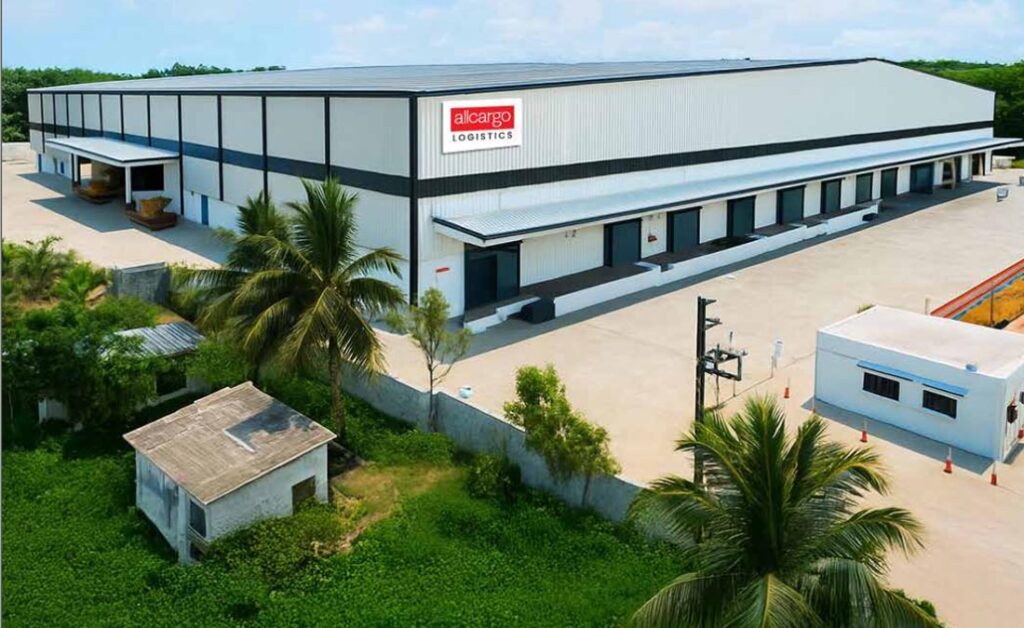
“We emphasise operational efficiency, process optimisation, and real-time visibility through our technology platforms. In the short term, we are expanding our warehousing footprint, including strengthening our presence in key markets such as Chennai, where we have added new capacity in response to growing demand. We are also focusing on expanding into Tier 2 and Tier 3 cities to be closer to emerging consumption centres,” he said.
The company is also building stronger networks—hubs, distribution centres and air logistics infrastructure—to improve speed and reliability. But the bigger story lies ahead. Over the next few years, logistics is expected to become far more technology-driven. Automation, data analytics and real-time visibility will play a much larger role, helping companies make faster decisions and run more efficient supply chains.
Opportunity Meets Reality
As the logistics story unfolds, the opportunity is clearly getting bigger—and more diverse. Growth is no longer coming from just one segment. It is coming from everywhere—e-commerce, automotive, FMCG and even white goods. Among these, e-commerce continues to lead the charge, riding on India’s strong road network, which still carries nearly 70% of the country’s freight, he said.
For the company, the approach is to build around this strength while adding new layers. Road remains the backbone, but there is a growing push towards air and multimodal solutions, especially for time-sensitive shipments. At the same time, services like warehousing, packaging, inventory management and real-time visibility are becoming key to standing out in a crowded market.
Nevertheless, the journey is not without its challenges. The logistics sector is navigating multiple challenges; driver shortages, fuel cost volatility, pricing pressures, and infrastructure gaps; all at once in a dynamic demand environment. “We are addressing this through network expansion, especially across Tier 2 and Tier 3 markets, and a strong focus on digitalisation to improve route optimisation, visibility, and predictability,” he mentioned.
According to Mr. Puri, if there is one part of logistics that truly defines the customer experience, it is the last mile. It is also the most expensive and the most complex. The challenge is to deliver faster, but spend less and the answer lies in better planning, not just more vehicles. The company focuses on designing smarter delivery networks based on how and where customers consume. For example, in sectors like automotive aftermarket, where dealer networks are spread out, deliveries are planned from a central hub and carefully routed across regions.
Every step is optimised—right from choosing the right vehicle to allocating vendors and planning routes. A hub-and-spoke model ensures that goods move in a structured and efficient way, reducing idle time and improving vehicle utilisation. The result is a fine balance. Deliveries become faster and more reliable, while costs stay under control, he explained.
Scale With Control
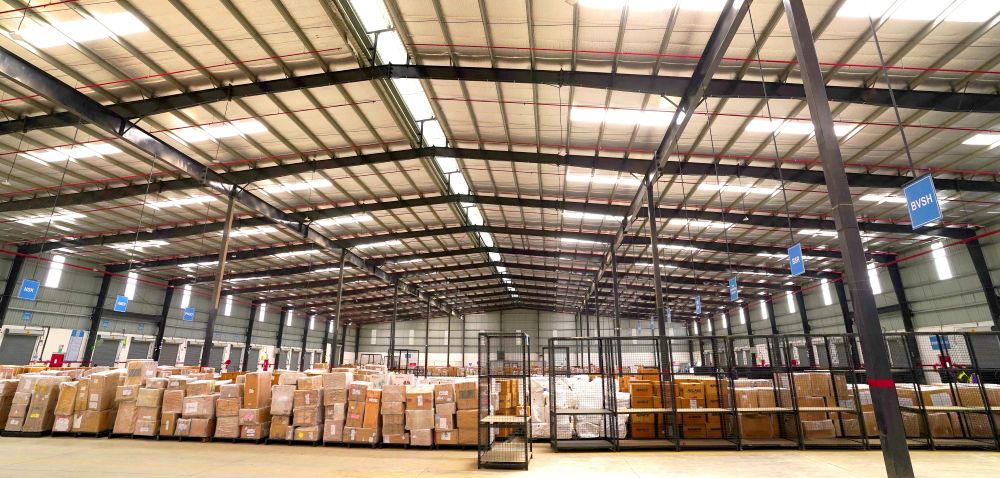
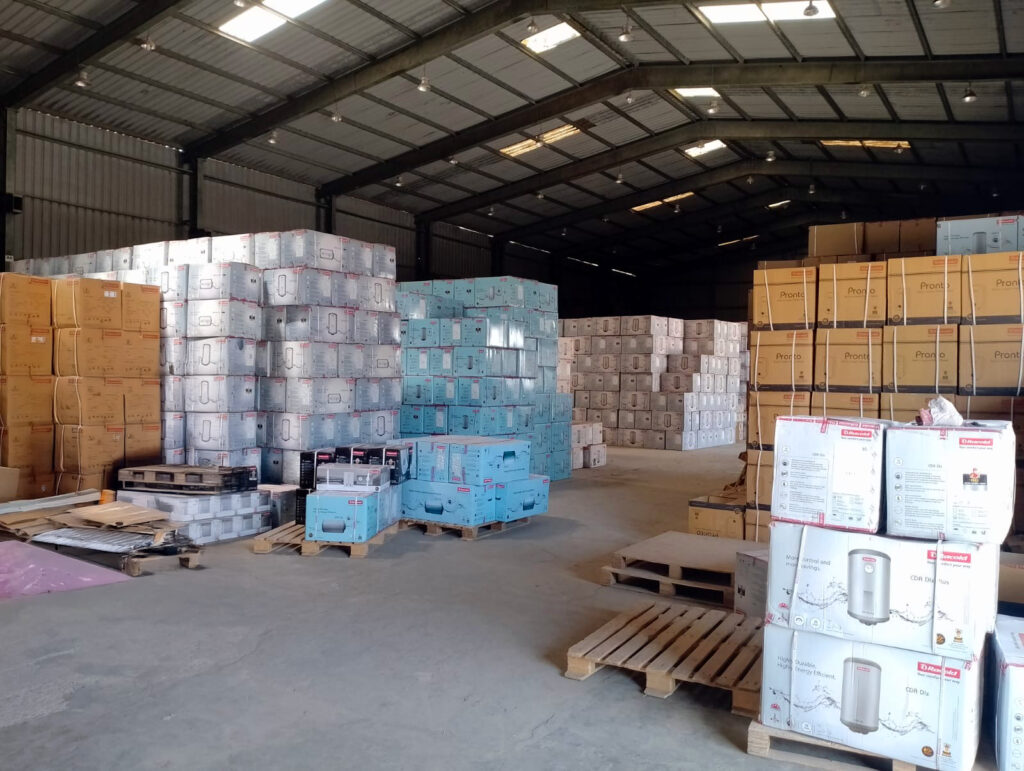
As the network grows, the real test is not just speed—it is consistency. Delivering on time, every time, across cities and customers, is what builds trust. “Our network includes more than 90 hubs (acting as key transshipment centres), more than 80 logistics parks and eight air logistics centres, enabling efficient cargo movement across regions. This is further strengthened by a robust warehousing and distribution footprint of over 12 million+ sq. ft., enabling faster order processing, efficient inventory management and seamless flow of goods across regions. We also offer time-definite deliveries, including 24-hour service across 64 cities and 48-hour service across 576 cities, improving predictability and service assurance. Technology plays a critical role, with real-time tracking, control tower visibility, and data-led planning enabling proactive issue resolution and better coordination. Additionally, a strong focus on process standardisation, yield management and cost control ensure that while we scale operations, we continue to maintain consistency, efficiency and service reliability across the network,” he said.
The company works across industries like automotive, chemicals, e-commerce, retail and FMCG—each with its own set of challenges, from strict compliance to just-in-time deliveries and multi-location inventory. For instance, in sectors like automotive, where volumes tend to surge towards the latter part of the month, the company works closely with client forecasts to plan capacity and throughput efficiently. “Structurally, we are strengthening our technology backbone through a more advanced WMS tailored for automotive and retail, enabling better control, visibility, and scalable profitability. This is further supported by our strategic airline partnerships enabling over 1,500 daily departures, helping improve speed, flexibility and throughput for time-sensitive cargo,” he mentioned.
Integrated Flow
A key shift in logistics today is bringing different services together into one smooth flow. For the company, this comes from combining express logistics with consultative logistics, he said, adding that express brings speed and reach while consultative logistics brings customised solutions. When the two come together, customers get a complete, end-to-end offering—from warehousing and inventory to transport and last-mile delivery. This is further supported by a strong air express network connecting 24 airports, enabling faster movement and better coordination across the chain.
Smartly Securing Data
As logistics becomes more digital, data has become as important as cargo. The company is protecting data by building into the system itself with strong cybersecurity, controlled access and constant monitoring to stay away from risks. At the same time, technology is being used to make operations smarter. Tools like AI, IoT and data analytics help track shipments in real time, plan better routes and use assets more efficiently. With integrated systems and a stronger cloud backbone, operations are becoming more connected and scalable. New technologies like blockchain are also being explored to improve transparency, he concluded.