As the global commercial vehicle industry navigates geopolitical uncertainties, evolving regulations and the transition towards cleaner mobility, India has emerged as one of the brightest growth markets for the sector. Andreas Moser, Member of the ZF Board of Management and Head of the Commercial Vehicle Solutions Division, believes the country’s strong market momentum, growing focus on electrification and expanding manufacturing capabilities place it in an enviable position for the years ahead.
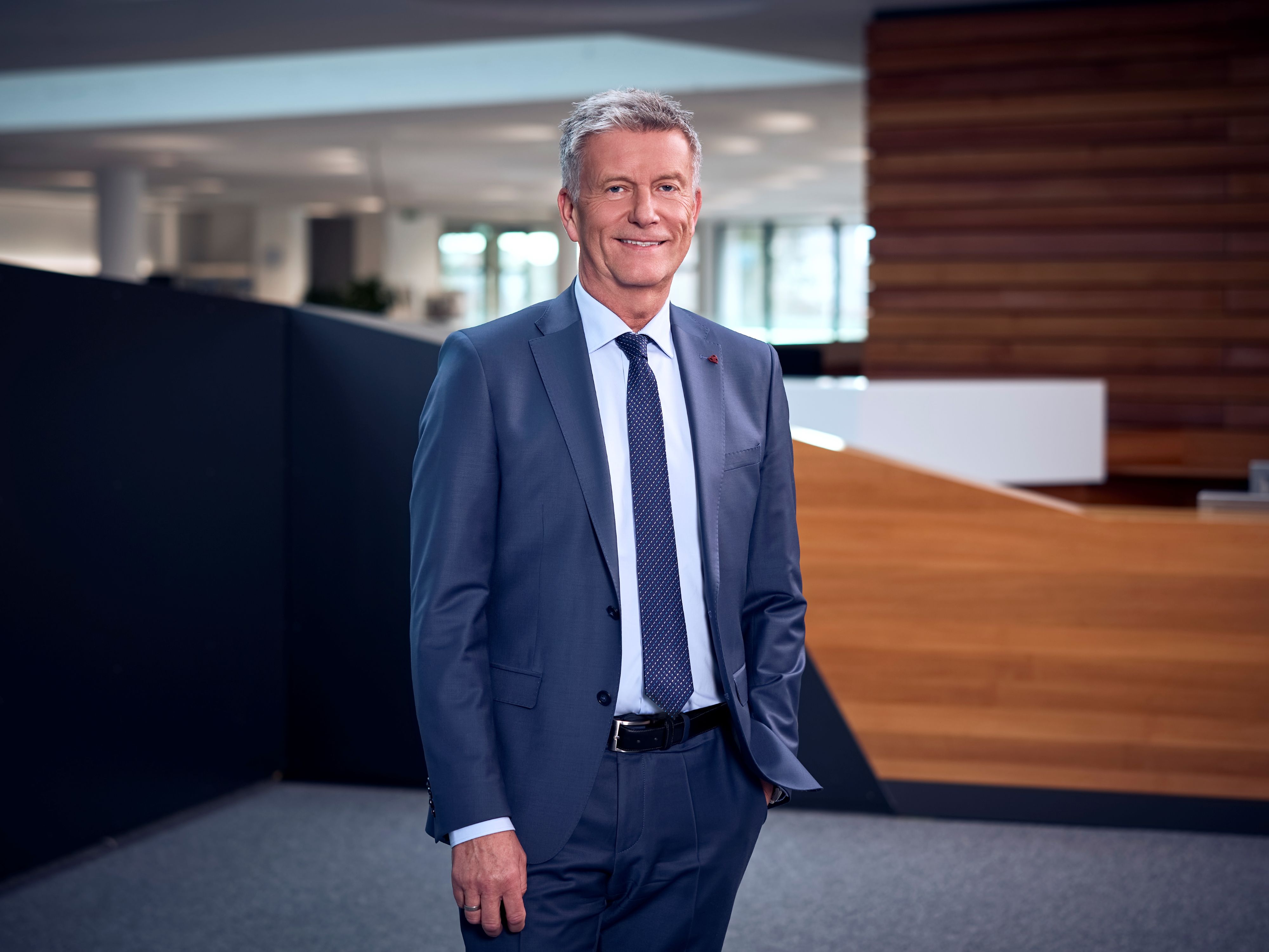
Speaking to MOTORINDIA on the sidelines of the ZF CVS Global Technology Day 2026 in Germany, Moser shared his views on the global commercial vehicle landscape, the role of hybrid technologies, India’s strategic importance to ZF and the opportunities that lie ahead for both the company and the industry.
India Leads the Way
According to Moser, commercial vehicle markets across the world are currently witnessing varied levels of demand. North America continues to remain subdued amid prevailing economic uncertainties, while South America has remained stable, albeit at relatively low volumes. Europe, too, continues to witness healthy freight movement, but new truck sales have softened, even as the bus segment remains robust.
India, however, presents a completely different picture. “I was very impressed by what I saw during my recent visit to India,” Moser said. “The market is performing strongly, customer confidence is high and, in some cases, demand has even resulted in supply constraints. The overall sentiment is very positive.”
China, he noted, presents a contrasting scenario where domestic demand remains relatively weak, compelling manufacturers to increasingly focus on export markets to utilise available capacities.
Despite these regional differences, Moser remains optimistic that global truck and bus production will gradually recover over time.
The Technology Mix
One of the key themes discussed during the interaction was the industry’s evolving approach towards decarbonisation. While electrification continues to remain the long-term direction, Moser believes the transition will require a pragmatic, technology-neutral approach.
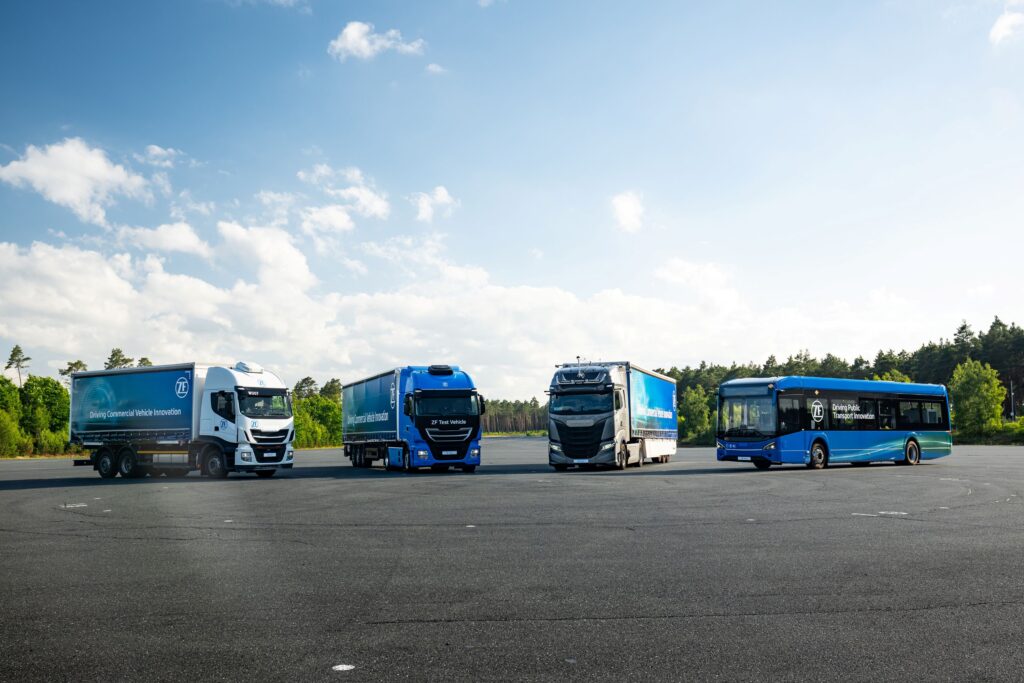
Drawing parallels with the passenger car industry, he observed that manufacturers adopting a single-technology strategy often struggle with market realities and investment cycles. Instead, maintaining flexibility across multiple propulsion technologies allows OEMs to respond better to changing customer requirements and regulatory developments.
ZF’s latest portfolio reflects this philosophy. Alongside fully electric solutions such as the newly introduced CeTrax 2 electric central drive, the company also showcased TraXon 2 Hybrid, offering OEMs an intermediate pathway towards lower emissions.
“Infrastructure remains one of the biggest challenges, particularly in Europe,” Moser explained. “Grid readiness and charging infrastructure are not yet at a stage where electrified trucks alone can achieve future CO2 targets. This is why hybrid technologies are becoming increasingly relevant as a bridging solution.”
He added that significant advancements in batteries, inverters and electric drive technologies have made hybrid systems considerably more viable today than they were a decade ago.
Beyond Low-Cost Manufacturing
Having spent considerable time interacting with customers and OEMs in India, Moser believes the country’s role within ZF extends far beyond being a competitive manufacturing location.
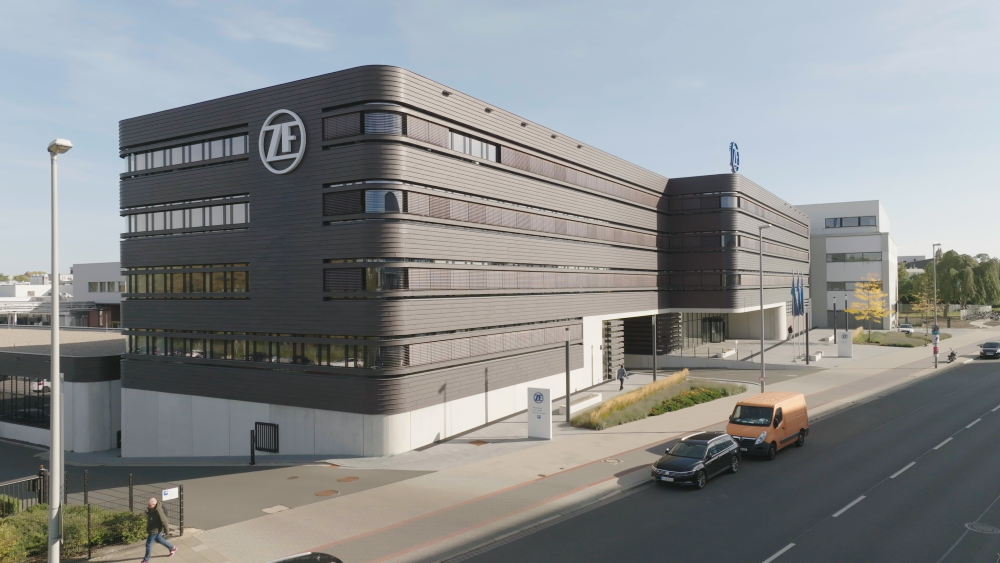
“Many companies still think they should come to India simply because it is cheaper. That is the wrong approach,” he remarked. “The real opportunity lies in giving India greater responsibility and making it a centre of gravity for business development.”
ZF already enjoys a strong commercial vehicle footprint in India, supplying a wide range of locally manufactured products to domestic truck and bus manufacturers while also supporting global operations.
Rather than designing products elsewhere and merely localising production, Moser believes innovation, product definition and technology decisions should increasingly originate from within India itself.
“Our business in India should be driven out of the region,” he said. “The Indian market knows best what products, technology levels and cost structures are required. Those decisions should be taken locally.”
Electrification Accelerates
One of Moser’s strongest takeaways from his recent India visit was the clear momentum behind electrification.
He pointed to the growing number of electric buses already operating across Indian cities and ongoing discussions with OEMs working on new electric vehicle programmes. In his view, geopolitical developments have also reinforced the importance of reducing dependence on imported fuels, further strengthening the country’s commitment towards electrification.
“This transition will not stop anymore,” he said. “The only question is how fast it will progress.” At the same time, he acknowledged the growing competitive challenge posed by Chinese manufacturers, whose excess production capacity may increasingly target overseas markets, including India.
Nevertheless, he believes India’s regulatory initiatives, including quality standards and localisation measures, position the country well to manage these competitive pressures.
Asia Takes Centre Stage
Looking ahead to 2030 and beyond, Moser expects the global commercial vehicle industry’s centre of gravity to continue shifting towards Asia.
Demand in Europe is likely to remain relatively stable, whereas countries across Asia will require significantly higher truck and bus production to support economic growth and expanding transportation needs.
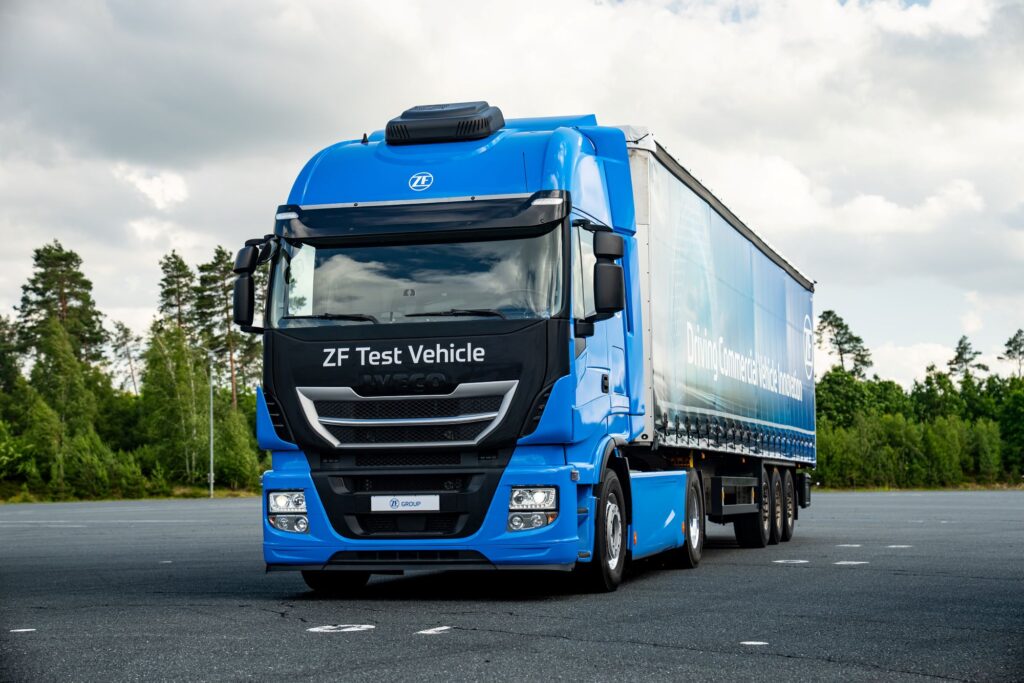
For ZF, this represents more than just a market opportunity. It requires a fundamental shift in how the organisation develops products, allocates engineering resources and manages regional responsibilities.
“This is not simply about producing in India,” he said. “It is about developing technologies and making business decisions from India.”
Infrastructure Matters
While optimistic about India’s trajectory, Moser believes continued investment in infrastructure will remain one of the country’s biggest priorities.
He praised the impressive highway projects and road infrastructure already being developed but noted that consistent improvements across the entire transport network would further accelerate economic growth.
Alongside infrastructure, he identified skilled talent and access to raw materials as equally important ingredients for sustained industrial development.
Acknowledging that democracies often require longer implementation timelines compared to centrally governed economies, Moser nevertheless believes India’s long-term direction remains highly encouraging.
Agility is Key
Beyond market dynamics, Moser highlighted geopolitical uncertainty as one of the biggest strategic challenges facing global suppliers today.
Changing trade policies, tariffs and shifting international relationships make long-term planning increasingly difficult, demanding greater organisational flexibility than ever before.
“A decade ago you could make decisions knowing the business environment would remain largely unchanged for the next few years,” he observed. “Today, companies need to be far more agile.”
He also sees significant opportunities emerging through closer industrial collaboration between Germany and India, particularly as both countries seek to strengthen manufacturing resilience and diversify supply chains.
Growth Drivers
For ZF, future growth will come from multiple technology domains rather than volume expansion alone.
Advanced Driver Assistance Systems (ADAS) represent a major growth area, with several large business wins scheduled to enter production during 2027 and 2028. Electrification, particularly in India and China, is expected to become another significant contributor as higher-value electric driveline systems increase overall revenue potential.
Beyond commercial vehicles, ZF is also strategically expanding its industrial technology business. Moser revealed that the company has secured its first Indian order for around 1,000 rail transmissions, with production initially planned at Coimbatore before expanding to Pune. The company has also strengthened its position in India’s growing renewable energy sector through major wind turbine transmission programmes.
Rather than chasing revenue targets alone, Moser emphasised that ZF’s long-term objective is to build a more balanced and resilient business by reducing its historical dependence on the passenger car segment while strengthening commercial vehicles and industrial technologies.With India increasingly becoming central to both strategy and execution, the country is expected to play a pivotal role in shaping the next phase of ZF’s global growth journey.