New braking rules in India are about to give Telma India a big lift. The company is part of France’s Telma, a leader in friction-free braking systems that use electromagnetic induction to slow vehicles without wearing out their brakes.
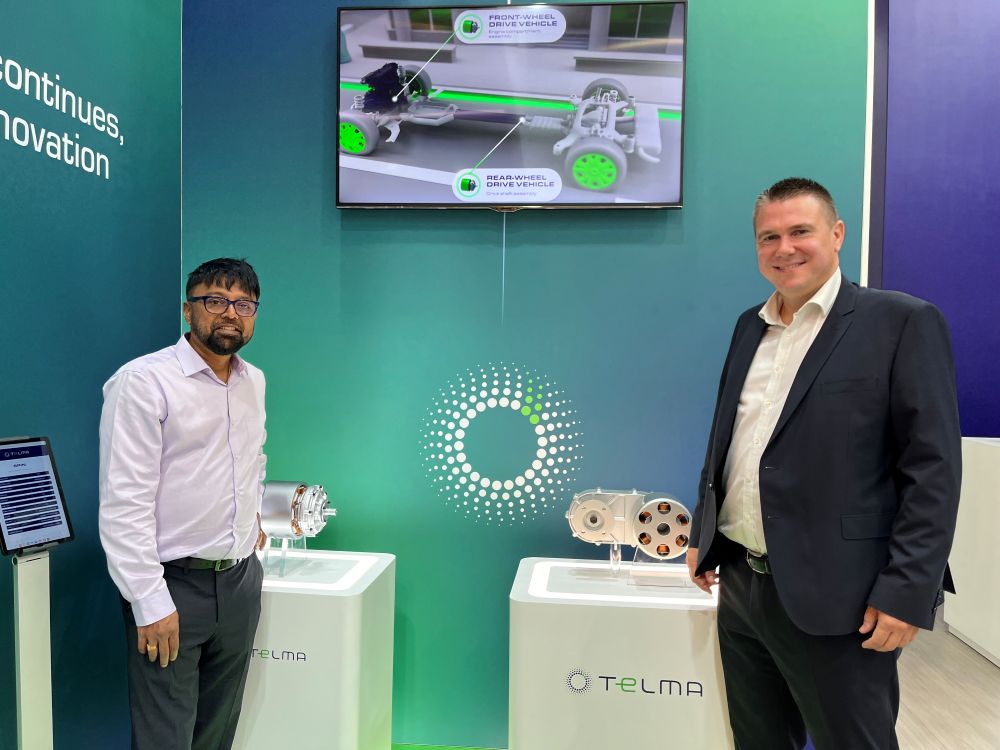
Speaking to this publication, Mr. M. Sriram, Director General, Telma India, said, from 2027, certain heavy vehicles in India will need retarders, and major truck makers have already committed to around 6,000 units in the first year.
A retarder is an extra braking system that slows a vehicle without wearing out its regular brakes. Under the new rules, new vehicles introduced from 1 January 2027 for applications such as tourist coaches, long-distance trucks and hazardous goods carriers must meet Type 2A braking requirements, which call for retarders. From 1 October 2027, every vehicle in those applications will need to comply.
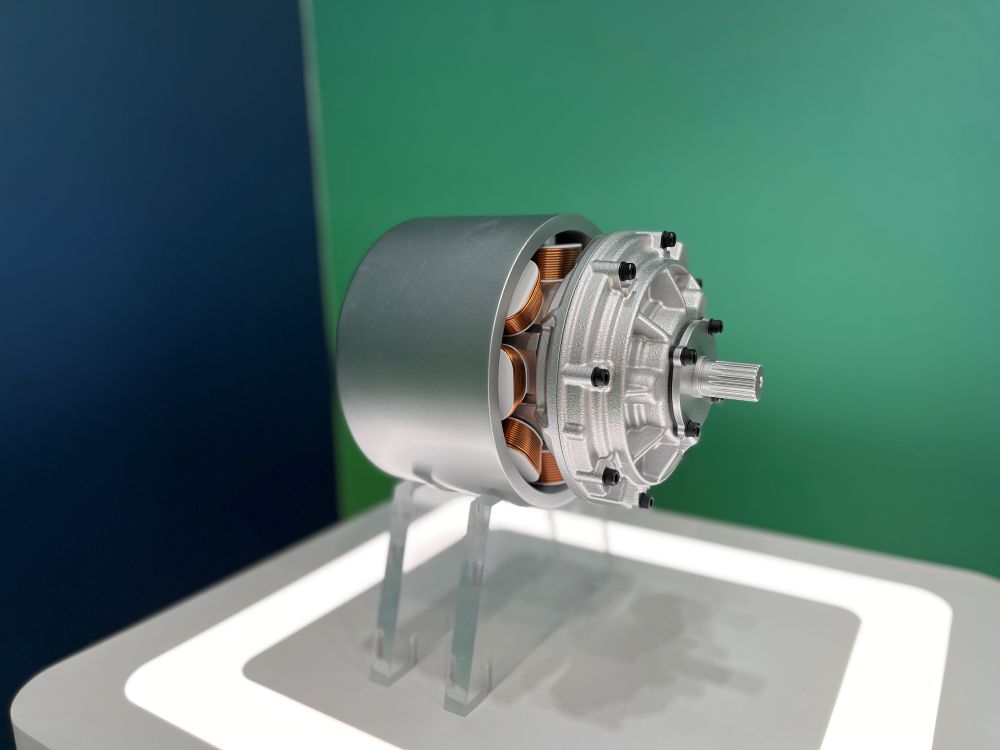
To keep up, Telma India plans to raise its capacity from around 4,000 to 10,000 retarders a year and is working on a bigger plant. That plant will stay in and around Chennai, close to Ashok Leyland and Daimler, the two truck makers that have supported the company from day one. Demand is also growing in Pune, home to Tata Motors and Mahindra, as well as SML Mahindra. Still, the company expects most of its volumes to come from Ashok Leyland and Daimler for some time. It is moving carefully, since the Indian market remains sensitive to volumes and the rules are still being rolled out. In India, Mr. Sriram said, buyers care most about operating costs, while safety and the environment also matter. Its engineers focus on making products as light, efficient and sustainable as possible.
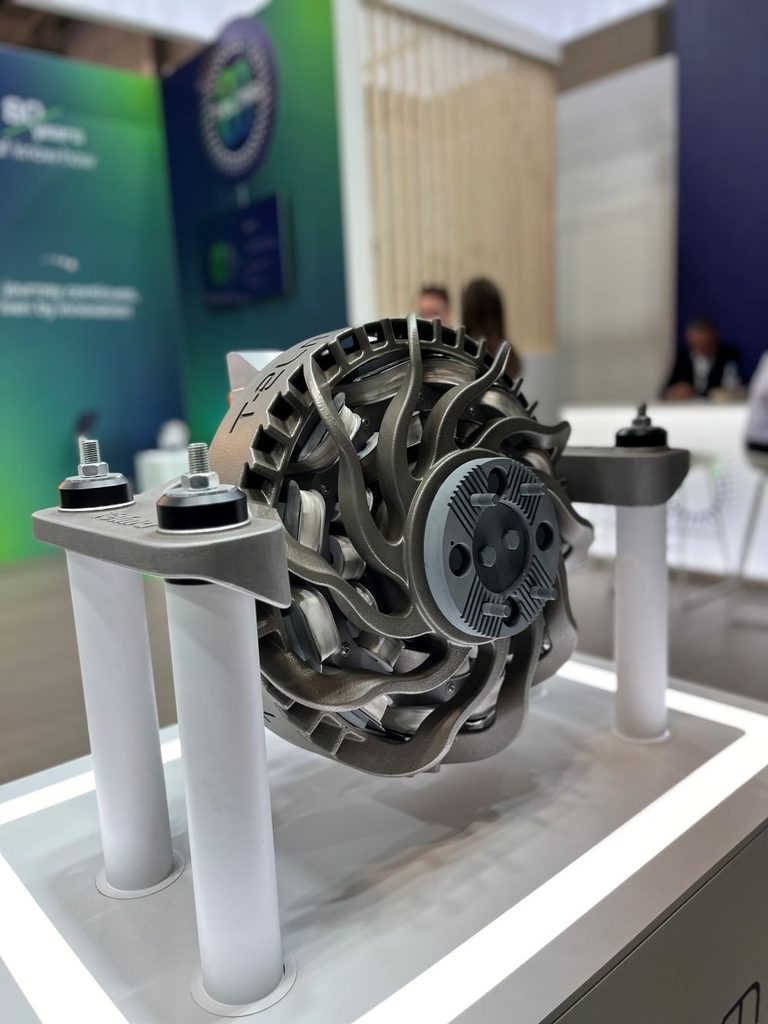
Telma’s biggest news for Europe at IAA Transportation 2026 was its Hybrid Induction Brake (HIB), which made its European debut at the show. Mr. Marc Blanze, Managing Director, Telma, said, the company is working with two large European truck makers to bring it to market. The idea is to offer a middle step between diesel and fully electric vehicles. The HIB, a three-in-one product, combines a standard retarder with a motor and generator that recovers energy during braking. Fitted to a diesel or CNG vehicle, it turns it into a hybrid or plug-in hybrid.
The company sees two kinds of demand. Some customers want a plug-in hybrid for extra range and to power on-board equipment such as refuse truck compactors, air conditioning or mobile cranes. Others want a simple hybrid to cut fuel use and CO2 emissions. Like Telma’s standard retarders, the HIB can be fitted either in the driveline or in the gearbox output or rear axle input, matching the company’s axial and focal (mounted directly onto an existing driveline component) ranges. Telma also showed Spin, a smaller retarder for light vehicles of two to four tonnes, designed to meet Euro 7 regulations, Mr. Blanze said.
Today, its retarders cover torques from 350 Nm to 4,200 Nm, enough for trucks from around five tonnes up to 50 or 60 tonnes. The company is developing a larger range above 4,200 Nm for uses such as railways, test benches and wind turbines.
At the other end, it is in advanced development of a 200 Nm retarder for small vehicles like the Tata Ace, after many requests from Indian truck makers. Such vehicles often lack braking capacity, so a retarder could improve safety and extend the life of brake linings and tyres. The challenge is getting the price right for India. The company’s flexibility helps here. With R&D, marketing and sales all in-house, it can move quickly to meet new demands, Mr. Sriram added.