For Isuzu Motors India, manufacturing is driven more by discipline than machines.
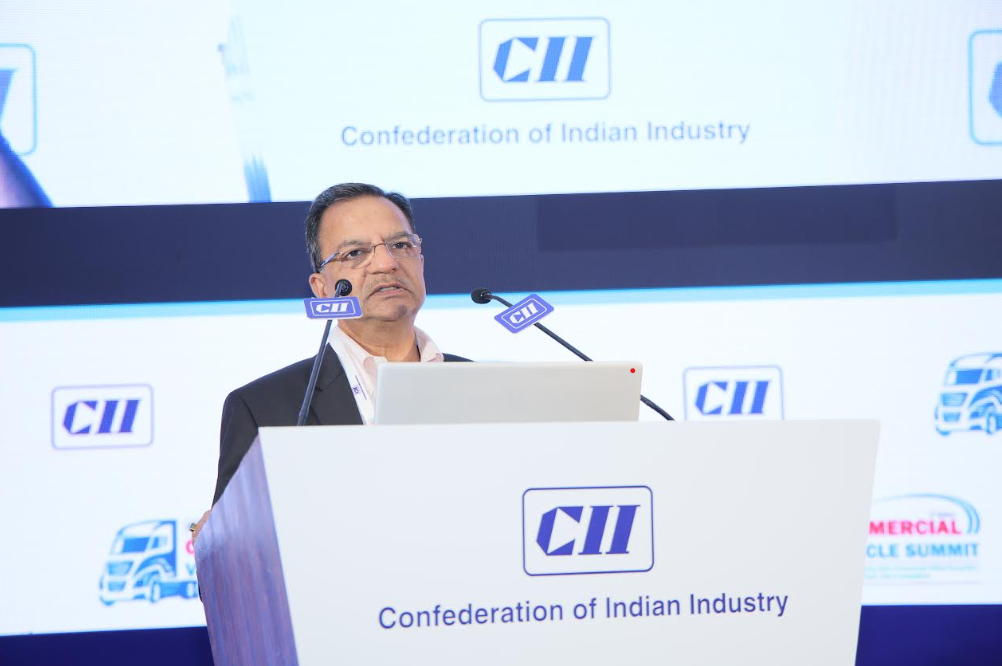
“When I look at our journey in India, one thing stands out—we are not just building vehicles here, we are building trust. At Isuzu Motors India and UD Trucks, our focus has always been clear,” Mr. Rajesh Mittal, President & Managing Director, Isuzu Motors India Private Limited, has said.
Speaking at the recently concluded Commercial Vehicle Summit 2026, on ‘Manufacturing competitiveness, supply chain & exports,’ Mr. Mittal, India is not just a market. It is a base for the world. Today, a large part of what the company produces at its plant in Sri City, near Chennai, goes to global markets, especially the GCC. That comes with a responsibility—to deliver the same quality, every time, he said.
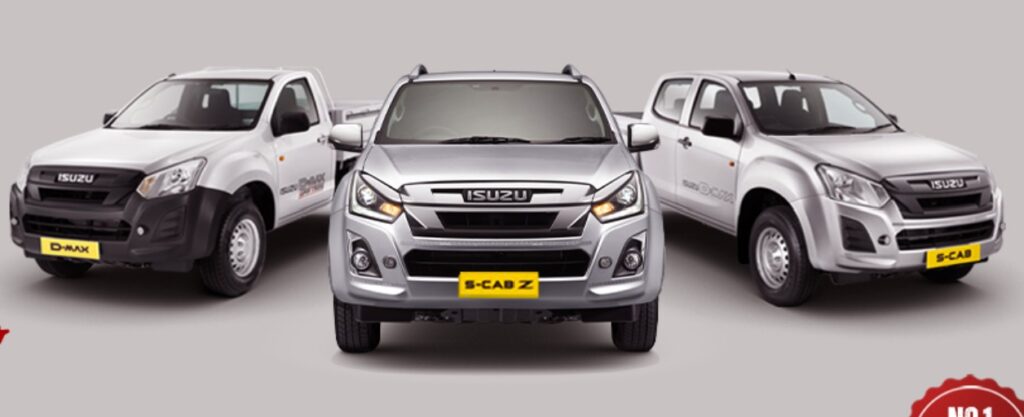
In India, Isuzu has built a strong export-led model around its light commercial and utility vehicles. A significant 90% of its production is shipped to global markets, underlining the company’s focus beyond domestic demand. In FY2024-25, the company emerged as the largest commercial vehicle exporter from India, and continues to remain among the top exporters this year. Out of around 95,000 vehicles exported from the country, nearly 20,000 units goes to GCC markets—many of them identical to the models sold in India.
Digitising Discipline
What truly stands out in Isuzu’s approach is not just scale, but the discipline behind it. Globally, Isuzu produces around 700,000 vehicles, including 300,000 light pickups and 400,000 commercial vehicles, serving 136 countries through a presence in nearly 36 manufacturing locations. This global footprint reflects a mindset that is deeply rooted in consistency, quality and export readiness.
At the heart of this lies what Isuzu calls its “Monozukuri” (a Japanese philosophy of manufacturing excellence) philosophy—a simple yet powerful way of looking at manufacturing. Unlike the common belief that modern manufacturing must be heavily automated and capital-intensive, the OEM focuses on process discipline. Instead of merely digitising operations, it “digitises discipline,” ensuring that every step is controlled, visible and predictable. Automation is used selectively, with a strong emphasis on low-cost, high-impact solutions rather than expensive, fully automated systems, he mentioned.
For the company, manufacturing is not just about machines or automation. It is about discipline. “We follow a simple but strict philosophy—do not accept defects, do not make defects, do not pass defects, and design systems so defects cannot happen at all. This mindset ensures that what leaves the factory is right the first time. But this does not stop at our factory gates.
Explaining the philosophy, he said the first rule is: do not accept defects—every component entering the line must be flawless. Second, do not make defects—each process must deliver perfect output. Third, do not pass defects—what moves to the next stage must be completely error-free. And finally, cannot make defects—this is achieved through mistake-proofing techniques, or poka-yoke, where processes are designed in such a way that errors simply cannot occur. The result is a production system where quality is built into the process, not inspected at the end.
But achieving zero defects on the shop floor is only part of the story. “Our suppliers are part of our system. We work closely with them, help them improve their operations. Because if they are strong, we are strong,” Mr. Mittal noted. Instead of relying only on audits or approvals, it works closely with suppliers to build their capabilities—strengthening their processes, decision-making and problem-solving systems. Suppliers are treated as an extension of the factory, ensuring that the same standards of quality and consistency are maintained across the value chain.
The final layer is resilience. Delivering a perfect product is not enough—it must reach the customer in the same condition. From factory dispatch to motor pools, ports, shipping lines and dealerships, the vehicle maker follows a multi-level inspection system. At every stage, the vehicle is checked, certified and revalidated against detailed checklists. This meticulous approach ensures that the product that reaches the customer remains exactly as it left the factory—defect-free and on time.
Balancing Lean and Reliability
Another important aspect of Isuzu’s approach is how it balances lean manufacturing with supply chain reliability. While the company follows lean principles within the factory, it ensures that adequate stock is maintained closer to the customer. This strategic stocking, particularly near dealer points, helps absorb uncertainties across the logistics chain. At every stage, these stocks are carefully inspected and managed, ensuring that any potential delays or disruptions do not impact the final delivery. In this sense, a resilient supply chain is not just a concept, but a rigorously executed system built on anticipation, control and discipline, Mr. Mittal explained.
Equally critical is the focus on Total Cost of Ownership across the entire lifecycle of the product. For the OEM, the responsibility does not end with selling a vehicle—it extends to ensuring that the product performs consistently as promised over time. This end-to-end ownership experience plays a key role in building customer trust. The result is visible in the company’s strong repeat purchase rate, which exceeds 90% across both domestic and export markets. It reflects a deeper connection with customers, where consistent performance and reliability turn first-time buyers into long-term loyalists, he said.
Benchmarking Global Standards
A key lesson, he emphasised, is that manufacturing should always be benchmarked to global standards, regardless of whether the product is meant for export or the domestic market. For export customers, it is not just the product that matters—they are buying confidence. And that confidence is built not only through what is produced, but through the culture and behaviour of the organisation.
This culture is visible in the smallest actions on the shop floor. For instance, at Isuzu, safety is not a slogan but a habit. Employees greet each other not with a routine hello, but with a gesture that means “stay safe,” reinforcing the company’s first priority. Simple practices like constant situational checks while moving across the plant, disciplined housekeeping under 5S principles, and strict adherence to safety protocols all send a clear message—this is an organisation where safety and quality are lived every day.
The company’s operating philosophy also reflects this mindset. Instead of the traditional focus on quality, cost and delivery, the emphasis is on safety first, followed by quality, delivery and finally cost. The belief is that if safety, quality and delivery are taken care of, costs will naturally come down by eliminating waste and inefficiencies. Together, these practices create a strong organisational DNA—one that customers can see, experience and trust. It is this consistency in culture and execution that turns a product into a promise, and a customer into a long-term partner, he highlighted.
Mr. Mittal reiterated that if India wants to succeed as a global manufacturing and export hub, it must go beyond technology and automation. The real strength lies in getting the basics right—building strong processes, maintaining discipline and ensuring consistency every single time. Modernisation and Industry 4.0 are important, but they must be built on a foundation of disciplined execution that is visible, measurable and repeatable.
Ultimately, what companies export is not just a product, but confidence. When customers receive the right quality, on time, with the highest safety standards—consistently—they begin to trust the brand. And that trust is what drives repeat business and long-term success. For India, the path to becoming a global manufacturing force lies in mastering this balance—combining modern technology with disciplined fundamentals to deliver reliability the world can depend on, he concluded.