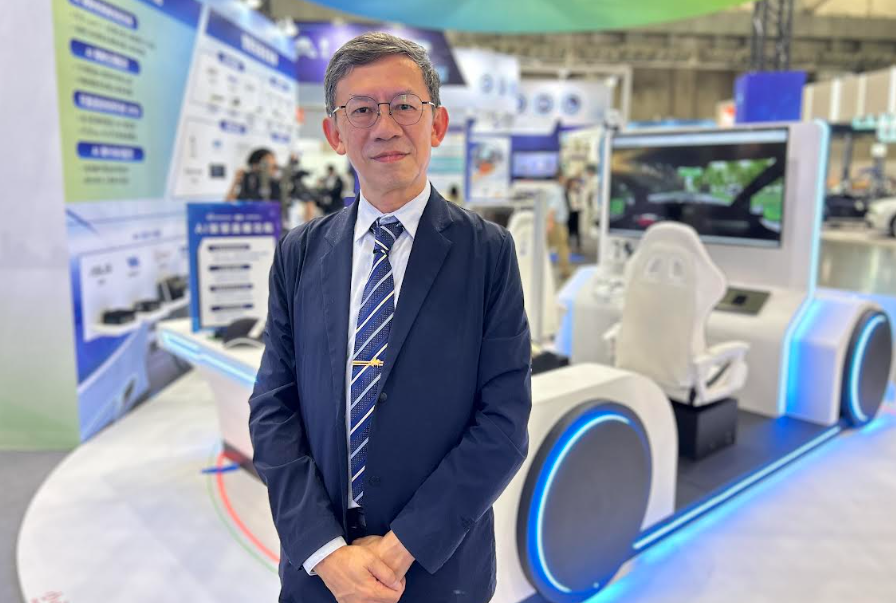
Established in 1990 by Taiwan’s Ministry of Economic Affairs, the Automotive Research & Testing Center (ARTC) has spent over three decades serving as the backbone of Taiwan’s automotive industry. Originally focused on testing services and regulatory compliance, ARTC has evolved into a premier R&D hub. At the recent Taiwan 360° Mobility Show, ARTC highlighted its pivotal role in steering the industry toward a smart, sustainable, and highly connected future. ARTC also continues to strengthen its global engagement through collaborations, technology partnerships, and industrial cooperation programs across key international markets.
Pioneering Smart Technologies and Industry Alliances
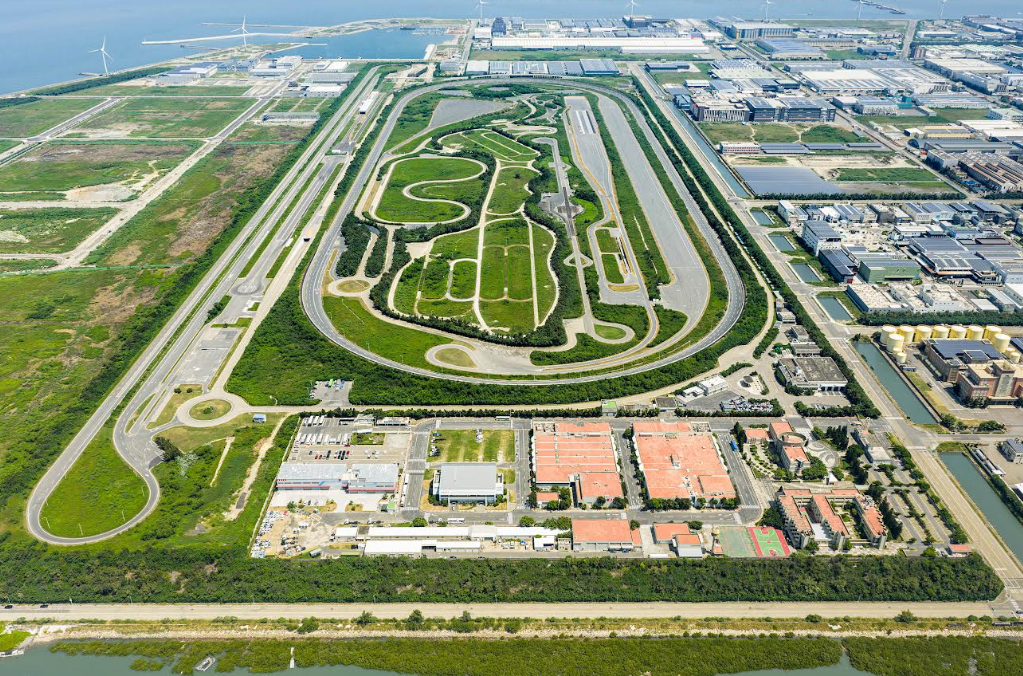
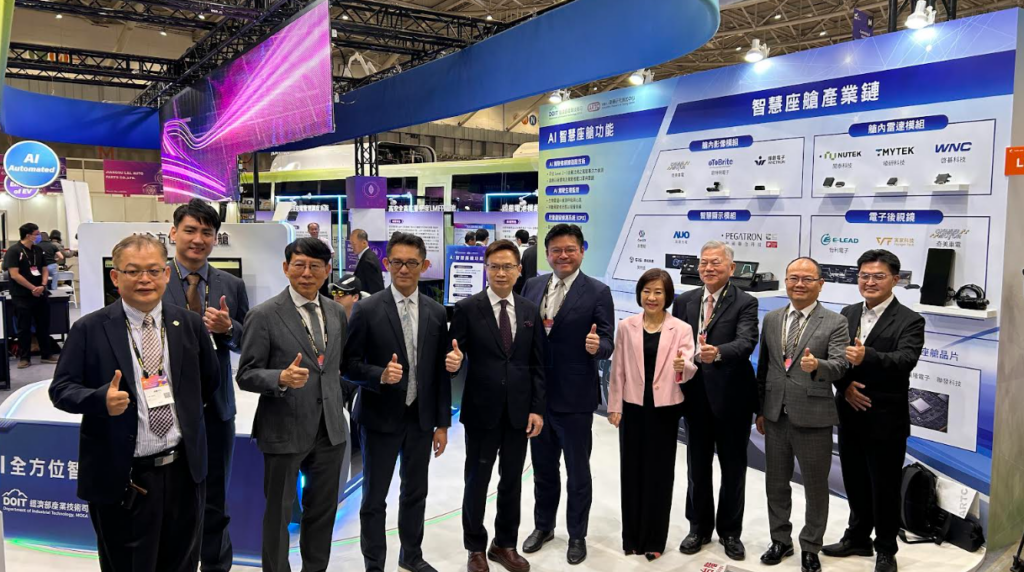
Representing the Taiwan Automobility Research Consortium, ARTC showcased two primary technological leaps: the Smart Cabin and the Fuel Cell Bus. The Smart Cabin integrates advanced sensors, radar, cameras, and in-cabin computing through collaborations with major Taiwanese tech players like Pegatron, ASUS, and AUO. In addition to these companies, ARTC is also working closely with partners such as NUTEK, AutoSys, and HCMF to further strengthen its Smart Cabin ecosystem and intelligent mobility capabilities.
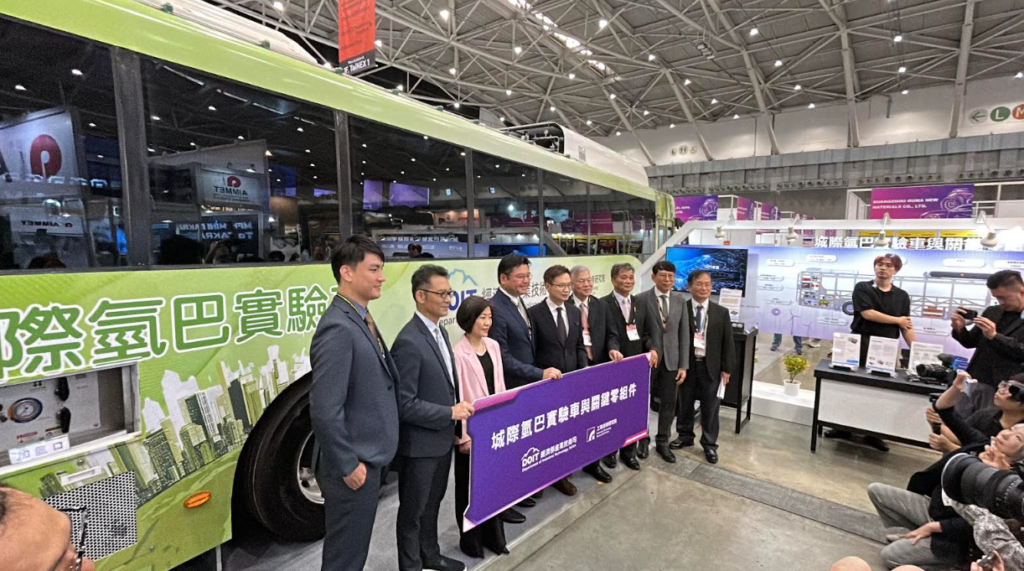
Meanwhile, the 12-meter fuel cell bus represents Taiwan’s aggressive push toward green energy and long-distance, heavy-duty sustainable transport.
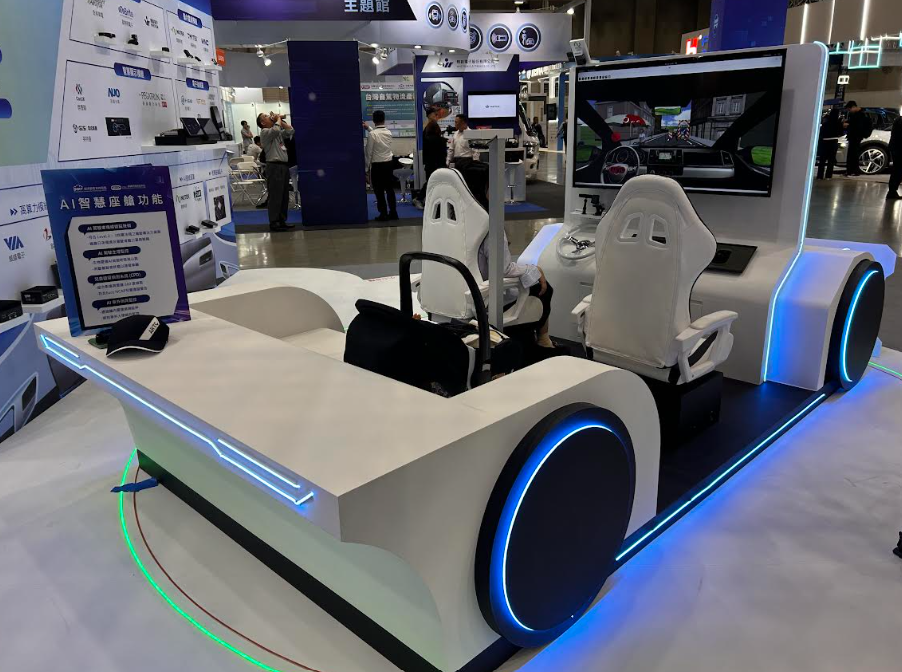
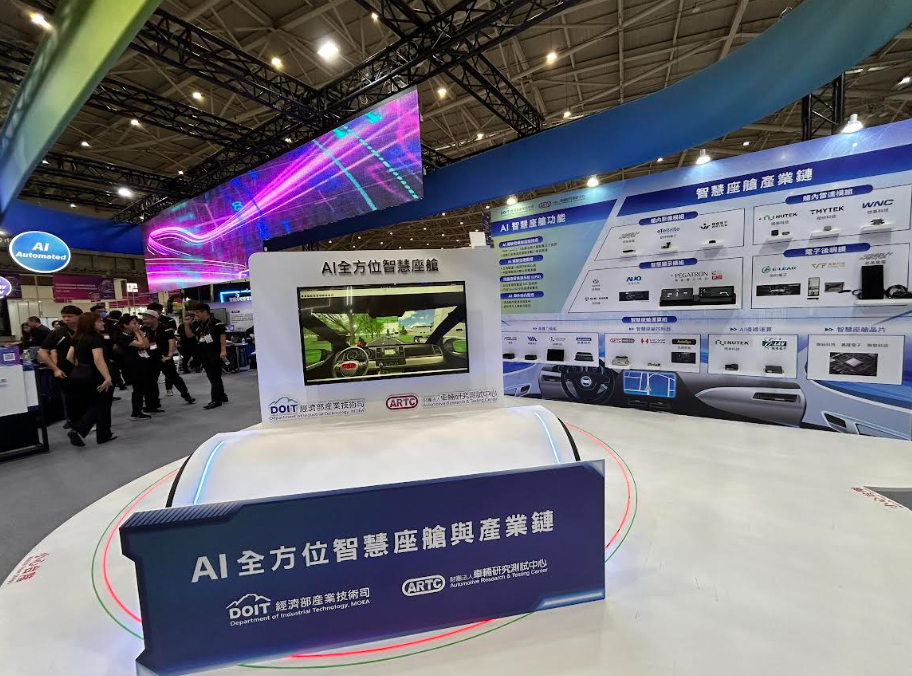
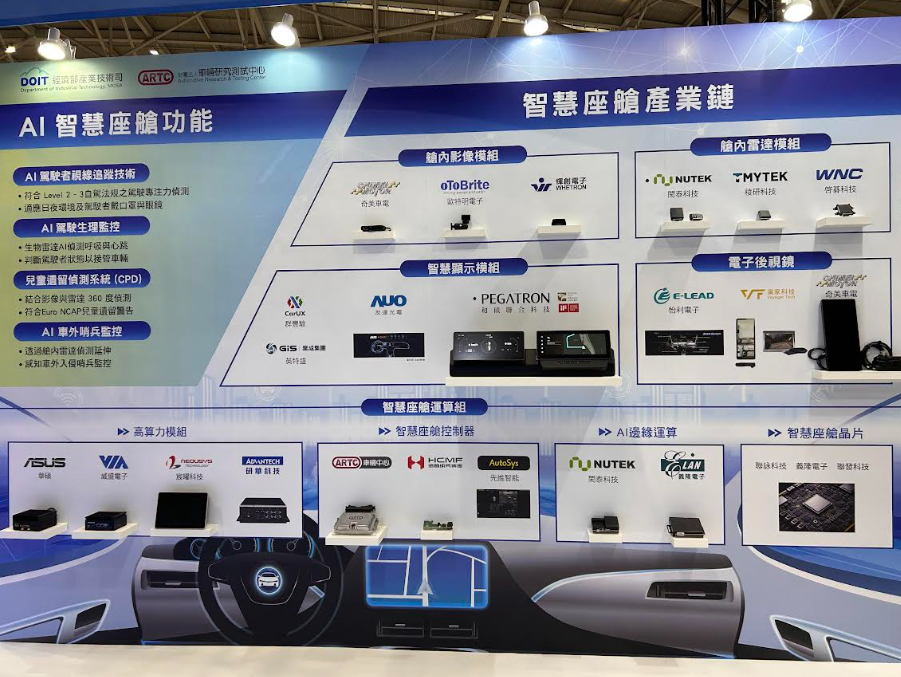
Rather than manufacturing these vehicles independently, ARTC’s core mission is to develop technologies to a high readiness level and transfer them to local suppliers. By doing so, ARTC bridges the gap between government-funded research and commercial mass production.
“We usually encourage our local manufacturing partners to form alliances and work together to develop complete systems, rather than just supplying individual parts or modules. This makes it significantly easier for them to collaborate with major OEM brand companies and strategize for future product offerings,” said Stephen Teng, Director – Office of International Cooperation, ARTC Taiwan.
Shifting Gears: The Era of Software-Defined Vehicles and AI
As the global automotive industry undergoes a rapid transformation, Taiwan’s local suppliers are being forced to adapt. Historically renowned for manufacturing high-quality mechanical components, the industry is now navigating the complex transition toward software-defined vehicles and Artificial Intelligence (AI). To facilitate this, the Taiwanese government and ARTC have launched intensive training programs to upskill the local automotive workforce.
“The local industry previously focused entirely on hardware and mechanical parts, but the era of software-defined vehicles is here. At ARTC, we now have a multitude of software engineers collaborating not only to advance our research but also to directly support our customers in implementing critical AI functions,” he stated.
Navigating Global Competition Through Quality and Customization
On the global stage, ARTC acknowledges the intense price competition posed by Chinese electric vehicles, particularly in emerging markets. However, Taiwan’s strategic advantage lies in its ability to offer highly customized, top-tier solutions, especially in the commercial vehicle sector, which is more open to integrating diverse, specialized components than the passenger car market.
“While Taiwan may not directly compete with China purely on price, we are seeing increasing customer demand for alternative technology sources. By leveraging Taiwan’s extensive technological expertise, we are confident in our ability to offer high-quality products at a highly reasonable and suitable price point,” he added.
Driving Sustainable Innovation Through Industry Collaboration
Beyond technological innovation, sustainability (ESG) remains a core focus. ARTC is implementing internal green initiatives, such as transitioning its own testing facility fleets to hybrid and electric vehicles, and utilizing solar power. Furthermore, they are developing innovative sustainable technologies, such as small fuel-cell systems for cold-chain logistics that eliminate the need to run diesel engines during loading.
This commitment to durable, sustainable technology is also driving ARTC’s strategy for international expansion, particularly in high-potential emerging markets like India. Recognizing the unique demands of the Indian landscape, ARTC is forging partnerships with Indian testing centers and the Society of Indian Automobile Manufacturers (SIAM), with a specific focus on revolutionizing public transportation.
ARTC currently maintains strong collaborative ties with two major Indian testing centers, ICAT and ARAI, further reinforcing its long-term commitment to supporting India’s automotive and mobility ecosystem.
In addition, ARTC assists Taiwan’s Ministry of Economic Affairs (MOEA) in organizing the annual “India-Taiwan Industrial Collaboration Summit,” which serves as a key platform for strengthening bilateral industrial and technology cooperation. The 2026 edition of the summit is scheduled to take place in late August in New Delhi.
“Succeeding in the Indian market requires highly durable products, exceptional fuel efficiency, and robust customer service and support networks. Because consumers in India often expect to use their vehicles for 10 to 20 years, creating sustainable and long-lasting public transportation solutions is our primary focus there,” he noted.
Through strategic alliances, cutting-edge software integration, and a steadfast commitment to sustainability, ARTC continues to secure Taiwan’s place as an indispensable, forward-looking leader in the global automotive supply chain.