From a transportation enterprise established in 1985 to a diversified logistics partner, Thakker Roadlines is now preparing for its next phase of growth through fleet modernization, digitalization and a strategic focus on hydrogen and green hydrogen. With safety, specialized transportation and customer-centricity at its core, the company is positioning itself to support India’s rapidly changing industrial and energy landscape.
For Thakker Roadlines Pvt. Ltd., the road ahead is about much more than expanding the fleet. It is about anticipating where India’s industrial and energy ecosystem is heading and building the capabilities required to support that transition. The business, which traces its roots to 1985, has evolved over four decades from a regional transportation enterprise into a specialized logistics partner serving demanding industrial applications. The present private limited entity was incorporated in 1998.
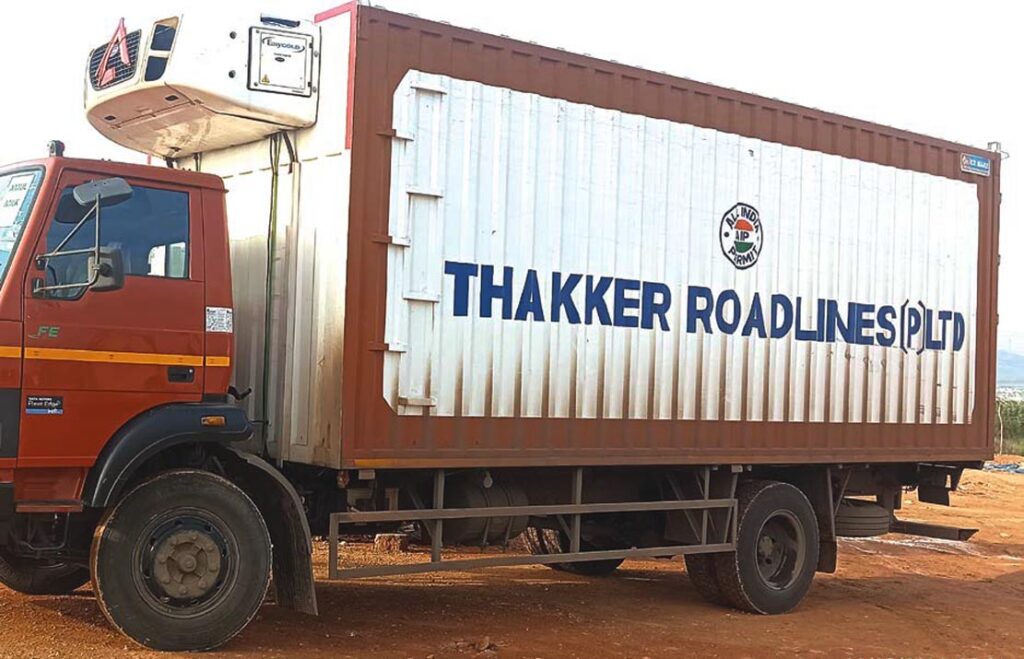
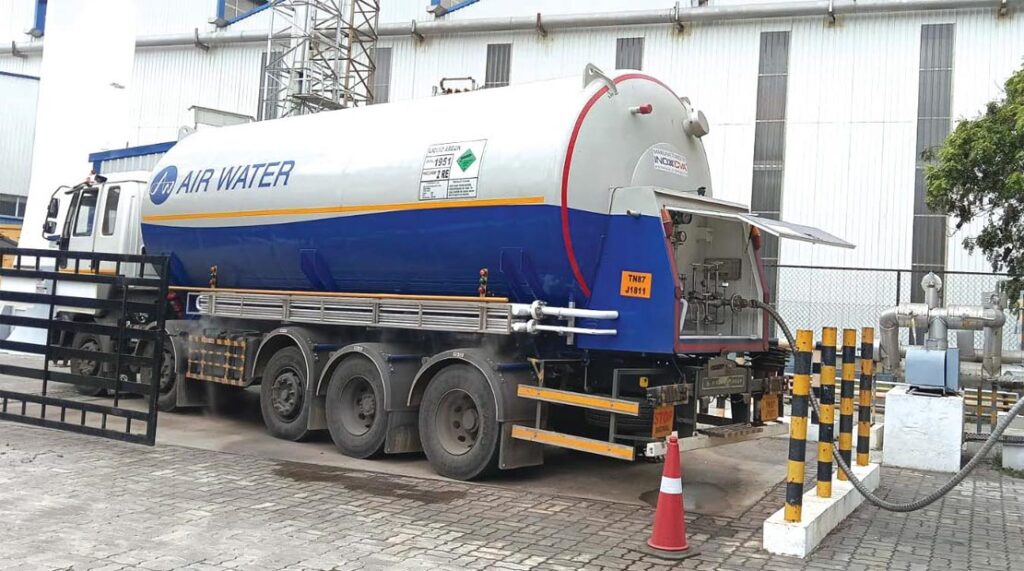
Today, the company’s capabilities span the transportation of hazardous and non-hazardous chemicals, petroleum fuels, industrial and medical gases, refrigerated cargo, perishable consumer goods, and heavy infrastructure equipment including cranes and oversized project cargo. This diversification has helped Thakker Roadlines build expertise across multiple operating environments while reducing dependence on any single segment.
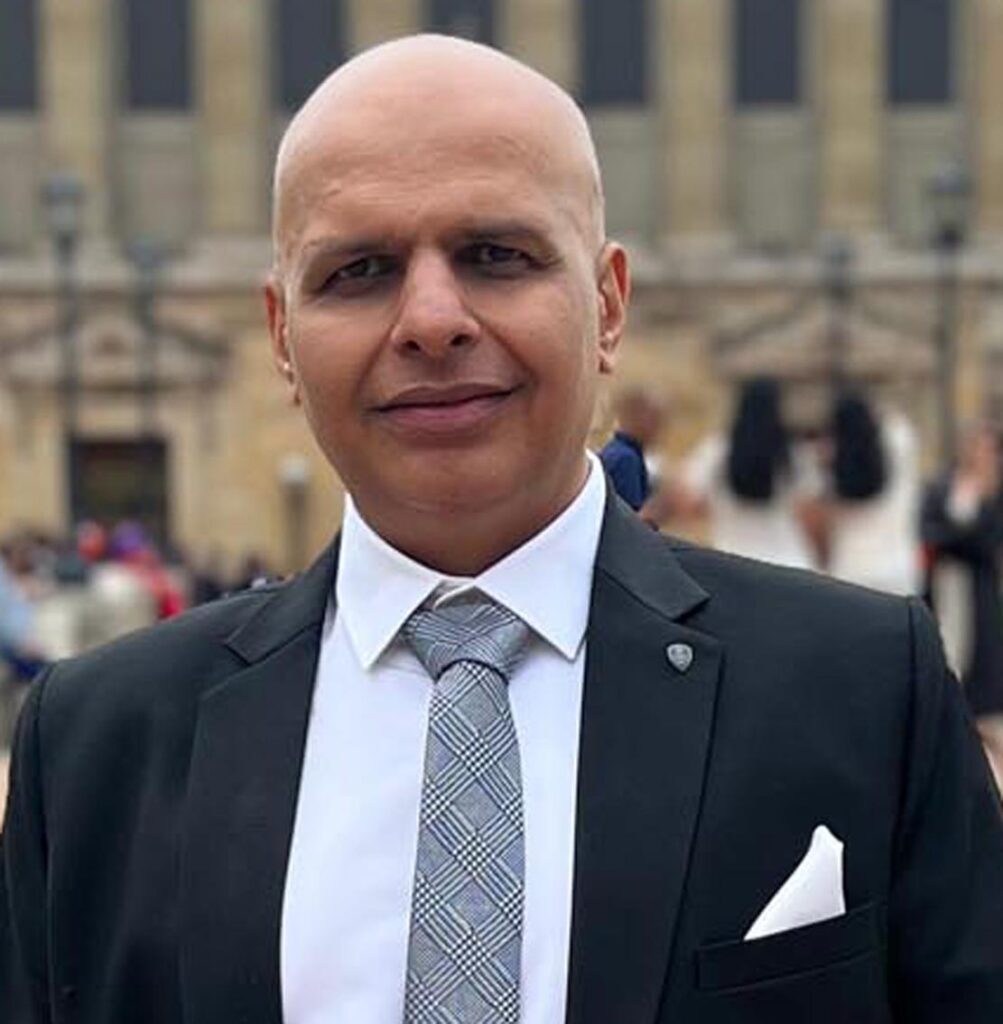
For Mr. Vikram Mashru, Director, Thakker Roadlines Pvt. Ltd., the next phase is about combining the fundamentals that built the company with the technologies and opportunities shaping tomorrow’s logistics industry. His vision is particularly focused on specialized transportation for emerging clean-energy sectors, including hydrogen and green hydrogen.
“Our objective is not simply to become larger; it is to become more capable. We want to build the specialized infrastructure, technology and safety systems required for the industries that will drive India’s next phase of growth,” he shares.
From conventional transportation to specialized logistics
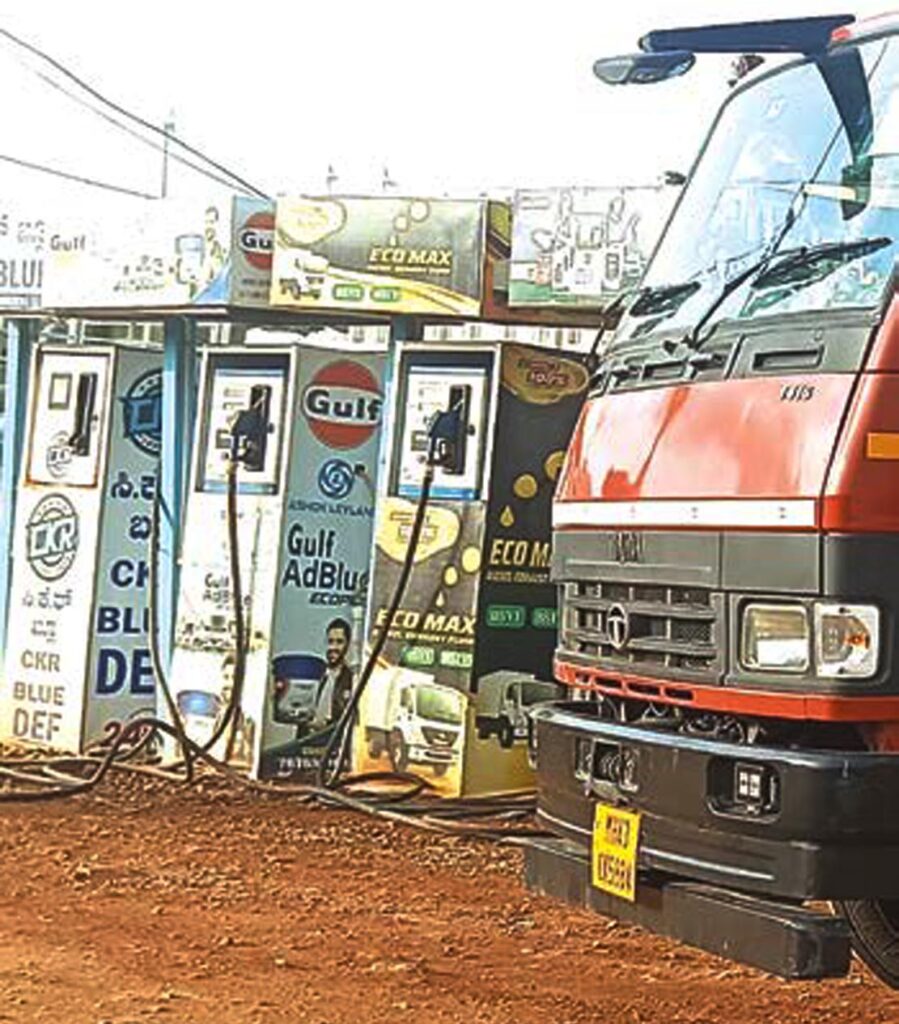
The company’s evolution has been driven by changing customer requirements and the increasing complexity of industrial transportation. Moving hazardous chemicals, gases, petroleum products or project cargo demands considerably more than a vehicle and a driver. It requires specialized equipment, trained manpower, regulatory compliance, preventive maintenance and continuous operational monitoring.
Thakker Roadlines has therefore progressively invested in specialized vehicles, fleet technology, preventive maintenance and driver development. GPS-enabled tracking, digital documentation and real-time monitoring have become important components of its operating framework, helping improve visibility and control while supporting safer and more predictable transportation.
Safety remains one of the strongest pillars of the organization. The company’s recognition through the Reliance Industries Safety Award reinforces an approach in which safety is treated not merely as a statutory requirement, but as an integral part of business performance. For a transporter operating in hazardous and specialized cargo segments, this philosophy is particularly important because a single operational failure can have consequences far beyond financial loss.
“Safety has to be built into every decision we make. It starts with the vehicle and maintenance practices, but it ultimately comes down to people, training, discipline and the culture we create within the organization,” he emphasises.
Preparing the fleet and people for the next decade
Customer expectations have also changed significantly. Industrial customers increasingly expect shipment visibility, proactive communication, dependable turnaround times, regulatory compliance and logistics solutions tailored to their specific requirements. Thakker Roadlines is responding by strengthening its digital capabilities while continuing to modernize its fleet and operational processes.
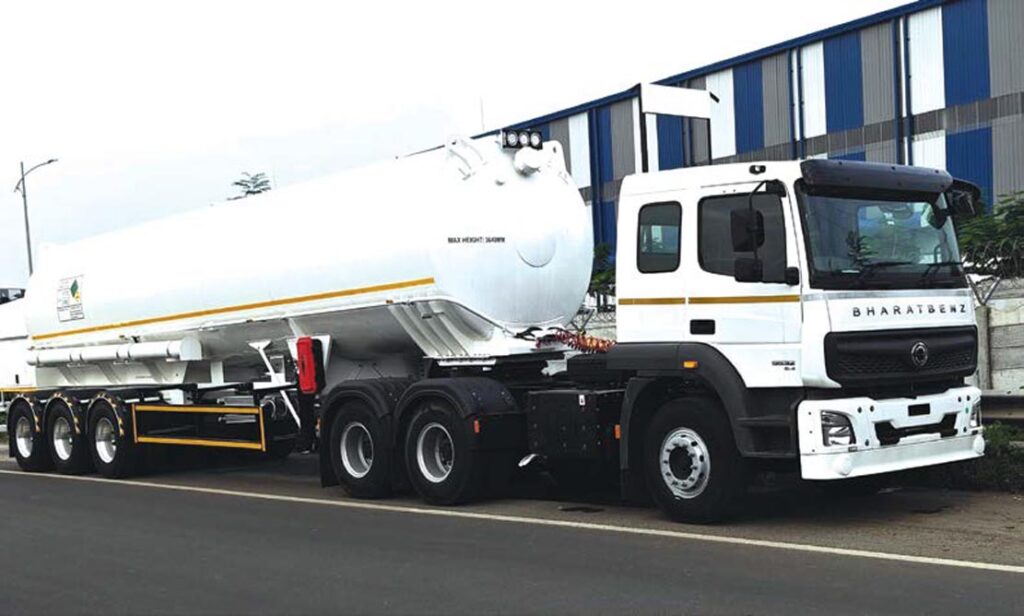
Its presence across key industrial regions of Maharashtra and Gujarat provides a strong base for serving major manufacturing, chemical, energy and infrastructure clusters. Going forward, fleet expansion and the deployment of next-generation specialized transportation equipment will remain important priorities as the company seeks to increase capacity without compromising its safety standards.
The human element will remain equally important. Drivers, operators, supervisors, helpers and other frontline employees are central to specialized logistics, where their decisions directly influence safety and service reliability. Training in defensive driving, hazardous cargo handling, emergency response and statutory requirements therefore forms an important part of Thakker Roadlines’ operational philosophy.
“Technology can give us visibility and better control, but people will continue to be at the heart of logistics. Our investment in people has to grow alongside our investment in vehicles and technology,” he stresses.
Looking towards hydrogen and India’s 2030 opportunity
The company’s medium-term strategy is increasingly aligned with India’s energy transition. While electrification is expected to transform several areas of commercial mobility, specialized logistics will also have to adapt to the emergence of LNG, biofuels, hydrogen and green hydrogen across industrial applications.
For Thakker Roadlines, hydrogen represents a particularly significant opportunity. The company intends to develop the transportation capabilities, specialized equipment, safety systems and workforce expertise needed to support the emerging hydrogen ecosystem. This is a long-term opportunity rather than a short-term fleet decision, as hydrogen transportation will demand rigorous standards and specialized operating knowledge.
By FY27 and beyond, the company’s priorities include fleet expansion, digital transformation, operational efficiency and strengthening its nationwide network. Better route planning, data-led decision-making, predictive maintenance and streamlined processes can help reduce unnecessary delays and improve asset utilization. The larger objective is to deliver economically viable, end-to-end logistics solutions that help customers control their supply-chain costs.
“India’s clean-energy transition will create new logistics requirements. We want to be prepared before that demand reaches its full scale, so that when the ecosystem expands, we can contribute with the right equipment, expertise and safety infrastructure,” says Vikram.
Building a resilient organization for the future
Thakker Roadlines’ diversification across chemicals, gases, petroleum, refrigerated cargo, perishables and project logistics provides a foundation for this next stage. Rather than moving away from its established businesses, the company intends to strengthen these core capabilities while gradually building expertise in emerging sectors.
The broader ambition is to create a future-ready logistics organization where safety, sustainability, technology and operational efficiency work together. As Indian industry becomes increasingly connected and data-driven, specialized transporters will have an important role in making supply chains more responsive and resilient.
By 2030, Thakker Roadlines aims to establish itself as a leading specialized logistics player supporting India’s clean-energy transportation ecosystem, while continuing to create employment opportunities and strengthen its service capabilities. The journey that began with road transportation in 1985 is therefore entering a new phase; one where the company sees logistics not merely as the movement of goods, but as an enabler of India’s industrial and energy ambitions.