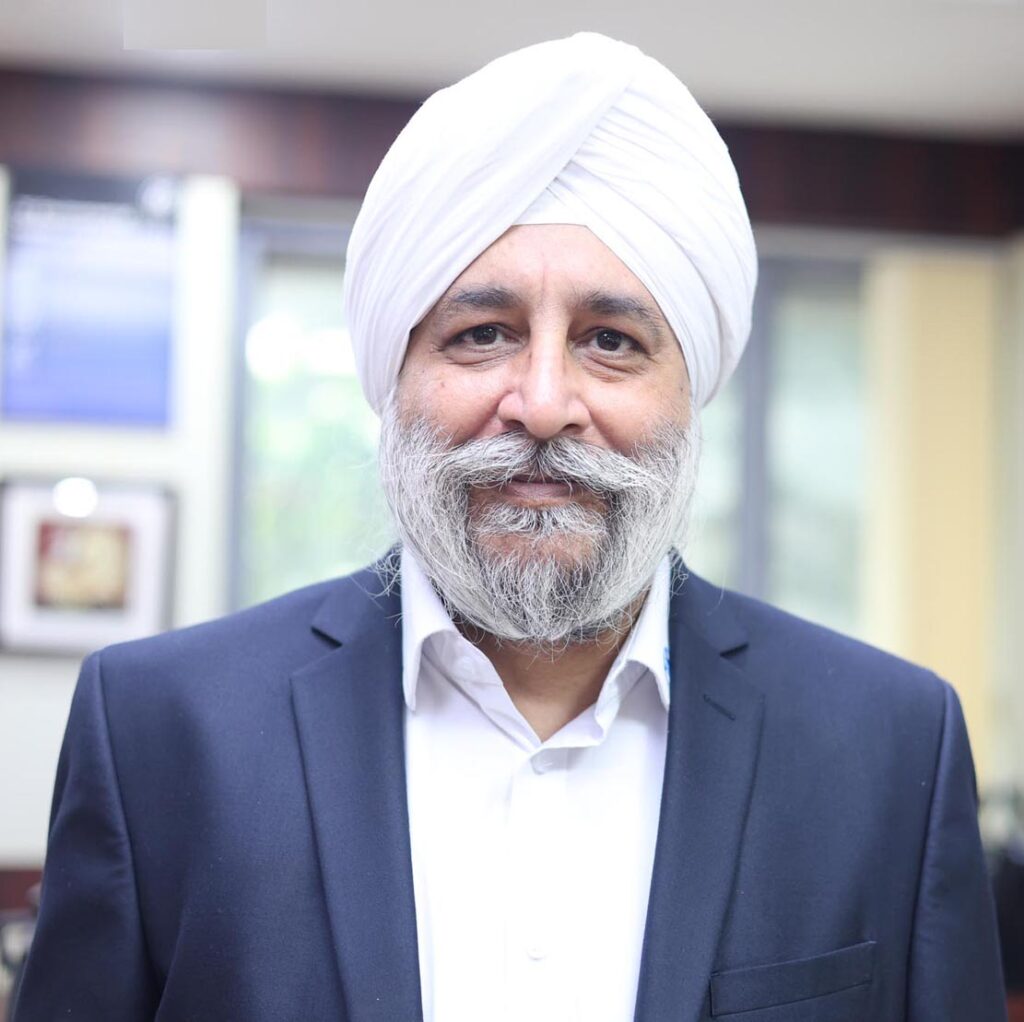
As India’s commercial vehicle industry accelerates towards greater safety, electrification, connectivity and efficiency, ZF Commercial Vehicle Control Systems India is positioning itself as a technology partner for the next phase of growth. In an exclusive interaction, Mr. Paramjit Singh Chadha, Managing Director, ZF Commercial Vehicle Control Systems India Ltd., discusses the company’s technology roadmap, engineering capabilities and expanding opportunities in India.
India’s commercial vehicle industry is entering a period of significant technological change, with regulation, customer expectations and new vehicle architectures all pushing the market beyond conventional mechanical systems. For ZF, this transition is creating opportunities across safety, electrification, efficiency, comfort and connectivity. The company is therefore looking at the Indian market not simply as a manufacturing base, but as an important engineering and technology hub capable of developing solutions for both domestic and global applications. Against this backdrop, the company’s recent ESC wins, growing electric vehicle portfolio and expanding engineering footprint provide a clear indication of where the commercial vehicle industry is headed.
Safety and Technology Take Centre Stage
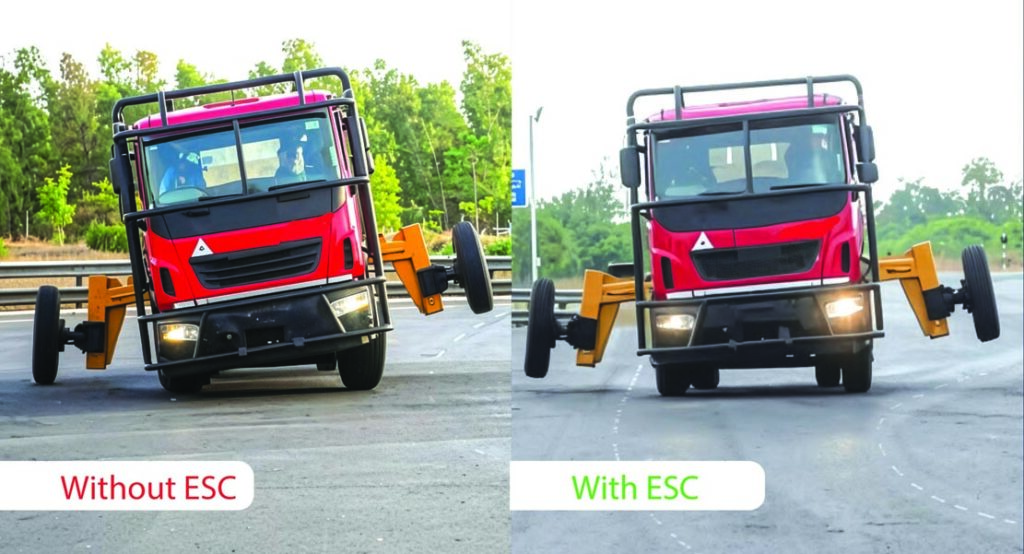
Safety remains one of ZF’s key technology pillars, with the transition from ABS to Electronic Stability Control (ESC) representing a significant opportunity. The company has already secured ESC orders from three major OEMs ahead of the regulatory mandate coming into force in 2027. For Chadha, this is important not just as a new business opportunity but because ESC represents a fundamental advancement in commercial vehicle safety.
ZF has retained its global technical specifications for the Indian market rather than diluting the system. The company is supplying the complete ESC system, which will progressively replace ABS content.
Safety was a major focus at Prawaas 5.0, where ZF showcased its automatic bus door control system, including an electrically controlled version with an integrated fire-sensing feature. The system addresses a critical concern highlighted by incidents where passengers were unable to escape from buses after fires because the doors failed to open. This has resulted in customers increasingly discussing safety alongside total cost of ownership.
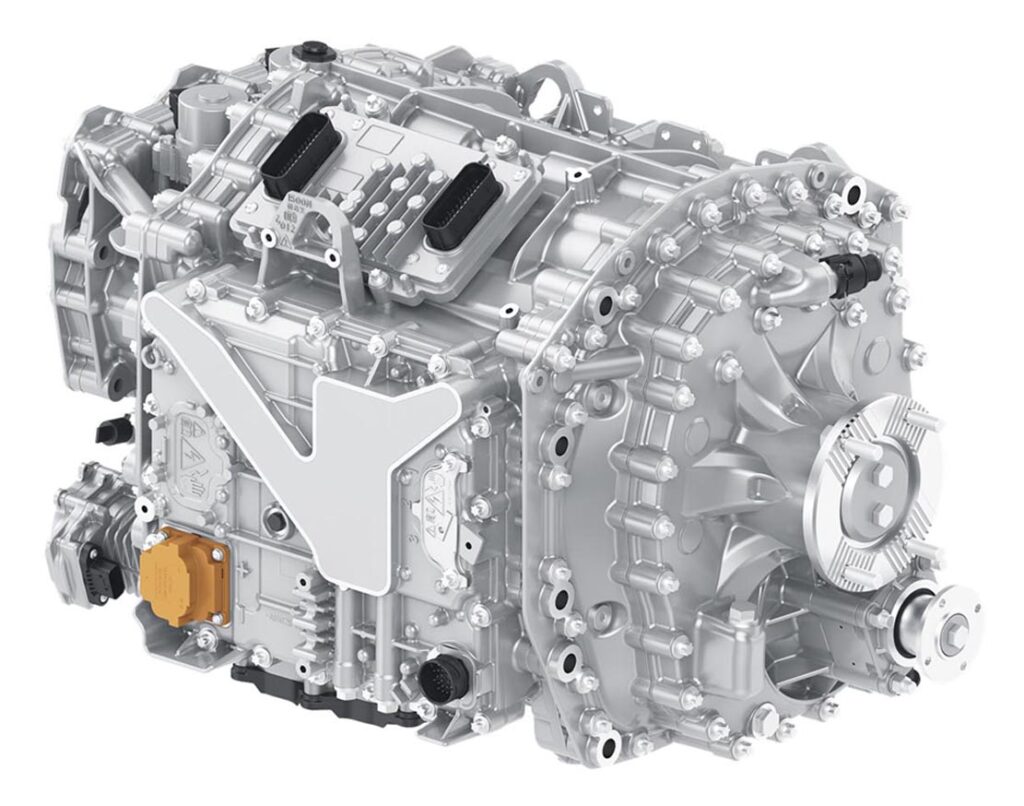
“Earlier, many years ago, safety was not a talking point; cost was. Now, the customer is also talking about the total cost of ownership,” he observes. ZF also demonstrated its fully dressed electric axle concept, integrating the motor, driveline, suspension and other components into a single plug-and-play unit. Chadha describes the overall response at Prawaas as “beyond our expectations”.
Electrification to Increase Technology Content
Chadha uses his initials – EPSC – to describe the broad priorities shaping ZF’s technology strategy: Efficiency, Powering, Safety and Comfort, with Connectivity increasingly becoming part of the equation. Efficiency, he says, is now central to fleet economics as OEMs and operators focus increasingly on total cost of ownership.
Electrification is accelerating this shift. The key challenges for electric commercial vehicles remain range, charging infrastructure, charging time and the initial cost of the vehicle. However, these barriers are gradually being addressed. In buses, adoption is already gaining momentum, with around 5,000 electric buses produced during the previous year and tenders for approximately 15,000–16,000 buses already awarded.
ZF is positioned across much of the electric commercial vehicle value chain. Its portfolio includes e-compressors, complete dressed-up axles with driveline, gearbox, brakes and suspension, along with other technologies relevant to electric vehicles. Chadha expects this to substantially increase ZF’s content per vehicle. “Our content per vehicle or value per vehicle is going to increase drastically. It is going to increase by almost 8 to 10 times,” he says.
One particularly interesting development is ZF’s work in electric mining trucks. The company is testing an electric truck that can regenerate energy while descending. The battery is charged as the vehicle travels downhill, with the recovered energy subsequently used to climb back up. “That truck runs on zero energy cost. Zero,” Chadha says, describing a concept that could be particularly relevant to energy-intensive mining applications.
Comfort is emerging as another important technology driver. ZF is developing electrically controlled suspension systems and quieter compressors, particularly for electric buses where auxiliary systems become more noticeable once conventional powertrain noise disappears. Noise, vibration and harshness (NVH) is therefore gaining importance in commercial vehicles, while automated manual transmissions (AMTs) are also seeing increased interest, initially in mining applications and gradually in other segments.
India Strengthens Its Engineering and Manufacturing Role
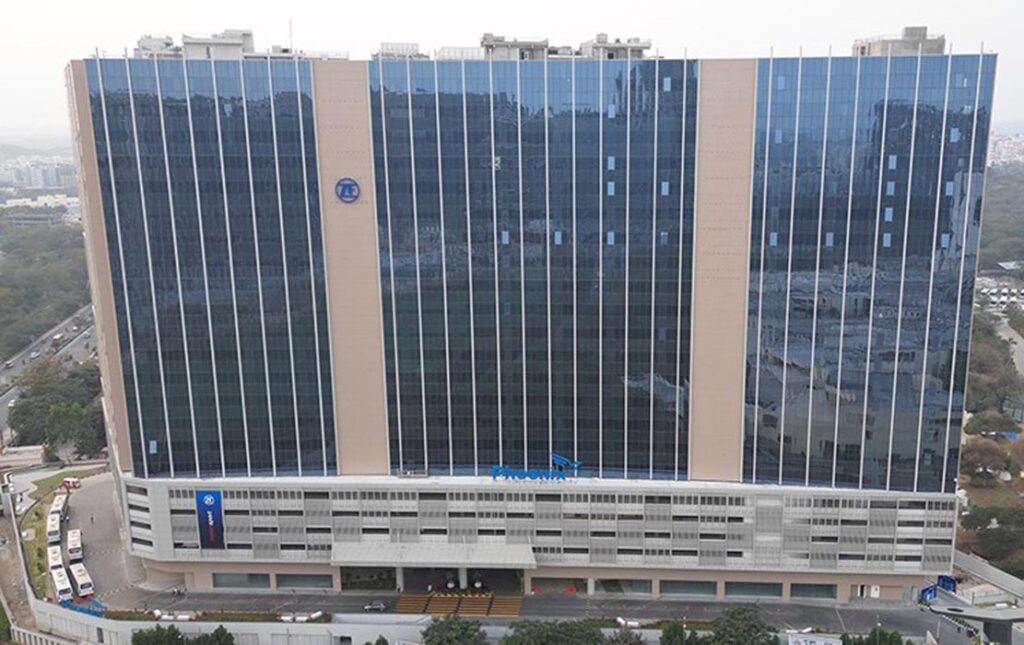
ZF’s India strategy extends well beyond manufacturing for the domestic market. The company has established significant engineering and services capabilities, including its Global Engineering Centre and Global Business Services operations in Chennai. Around 350 engineers at the India operations are working on projects serving both domestic and global requirements, while ZF India Pvt Ltd., has around 3000 engineering personnel in Hyderabad.
Chadha highlights software-defined vehicles (SDVs) as one area where Indian engineering teams are already contributing to global programmes. “Most of the SDV work for the globe is happening from Indian engineers sitting in India,” he says. The engineering centres also have specialised laboratories supporting technologies such as EBS and ESC. The strategy is therefore both “local for local” and “local for global”.
Manufacturing is similarly geared towards domestic customers and exports. ZF has an export-oriented unit at Mahindra World City, with products shipped largely to the company’s plants in Europe and the US. Around 50% of these exports go to Europe and 50% to the Americas. With global companies increasingly looking to diversify their supply chains, India is also attracting more internal RFQs for complete assemblies and individual components.
On the domestic front, ZF follows a customer-proximity model, with seven manufacturing plants located close to OEM facilities. The company also maintains a high level of localisation. “Other than some electronics items, which we are building up, our localisation level is very high,” Chadha says.
Building Uptime and Lifecycle Value
The changing expectations of fleet operators are also reshaping ZF’s aftermarket strategy. For a fleet owner, Chadha says, the first priority is uptime. This is driving closer relationships between fleet operators, OEMs and component suppliers, with some fleet owners even specifying preferred component brands based on their experience after the warranty period.
ZF has around 270 authorised service centres across India, supported by approximately 550 dealers and retailers. The company trains OEM technicians and authorised service partners not only to replace components but also to overhaul and repair them wherever possible. This helps reduce lifecycle costs while improving service accessibility.
Predictive and preventive maintenance are becoming equally important. ZF is working with OEMs on solutions that can identify potential problems before they result in breakdowns, while e-compressors and other products are being equipped with indicators and alarm systems. Chadha cites ZF shock absorbers as an example, saying they can offer twice the life of competing products. Although the initial price may be higher, the overall cost of ownership is lower.
Cyber security is another emerging priority as commercial vehicles become increasingly electronic and connected. ZF is already ensuring that many of its products are cyber-security compliant, with regulation expected to increasingly address the issue. While Chadha believes fully software-defined commercial vehicles could still be eight to ten years away, ZF has already started working with OEMs on the underlying technologies.
Raising the Bar in a Growing Market
Chadha sees India’s commercial vehicle market entering a particularly strong phase. ZF has expanded its market share and continues to add capacity in response to industry growth. He recalls one customer telling ZF that “no truck or bus can be made without ZF product” – a statement that, he says, reflects the position the company has worked hard to establish.
Maintaining that leadership, however, requires continuous technology upgrades rather than simply protecting existing products. ZF has conducted several technology days with conventional OEMs as well as new-age electric vehicle manufacturers.
The company is also upgrading established product categories. Its OPR compressor technology, for example, is claimed to deliver more than 1.5% mileage improvement through power reduction, while ZF is also working on EAPU technology.
“We want to keep this leadership position by not sustaining the existing products, but offering advanced products,” says Chadha. “Offering technology upgrades even for the existing products.”
For ZF Commercial Vehicle Control Systems India, the opportunity is therefore not simply about selling more components. It is about increasing technology content per vehicle, supporting customers throughout the vehicle lifecycle and leveraging India’s engineering capabilities for global programmes. With safety regulation accelerating, electrification gaining traction and fleet operators demanding greater efficiency and uptime, ZF is well positioned for a commercial vehicle industry that is becoming significantly more technology intensive.