As India’s electric bus market gathers momentum, reliable pneumatic connections are emerging as a critical enabler of vehicle safety, assembly efficiency and fleet uptime. MBP PVT is addressing this need with solutions designed for next-generation commercial vehicles.
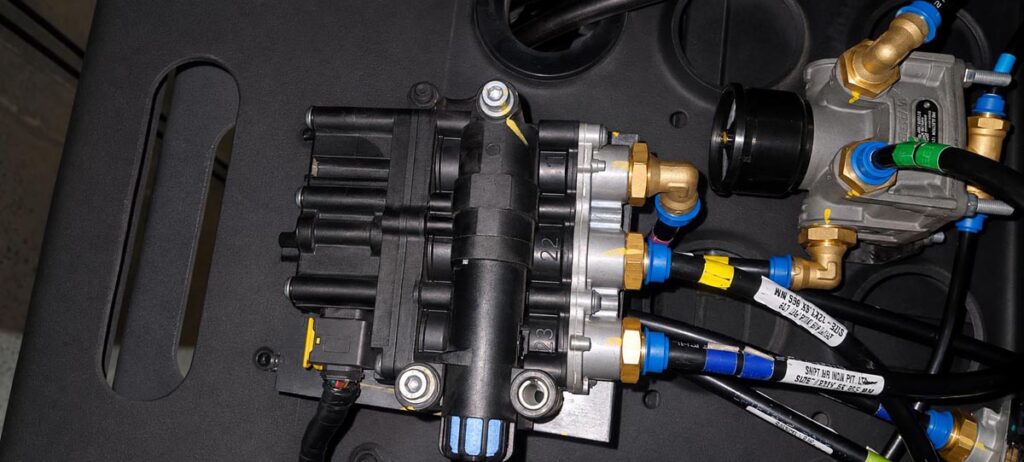
India’s commercial EV market is witnessing steady growth, particularly in the electric bus segment. The country registered 4,441 electric buses in 2025, representing a 19% year-on-year increase, while the market, valued at around USD 440 million, is projected to reach USD 1.15 billion by 2030.
Although electric powertrains are transforming commercial vehicles, several core systems remain unchanged. Electric buses and trucks continue to rely on compressed air for braking and air suspension, making the integrity of pneumatic connections just as important as in conventional diesel vehicles.
A modern electric bus typically incorporates more than 120 pneumatic connections across its braking and suspension systems. As fleets demand higher uptime, longer service intervals and improved reliability, the performance of these seemingly small components is becoming increasingly significant.
Critical Connections
Commercial vehicle pneumatic systems operate under demanding conditions. Every connection must withstand temperatures ranging from -40°C to +80°C, constant vibration, exposure to dust, moisture and road contaminants, while delivering reliable performance over service lives extending beyond one million kilometres.
Even a single leaking joint can compromise braking response, reduce system efficiency and result in costly workshop rework. Consequently, pneumatic fittings have evolved from being simple connectors to safety- and quality-critical components within commercial vehicles.
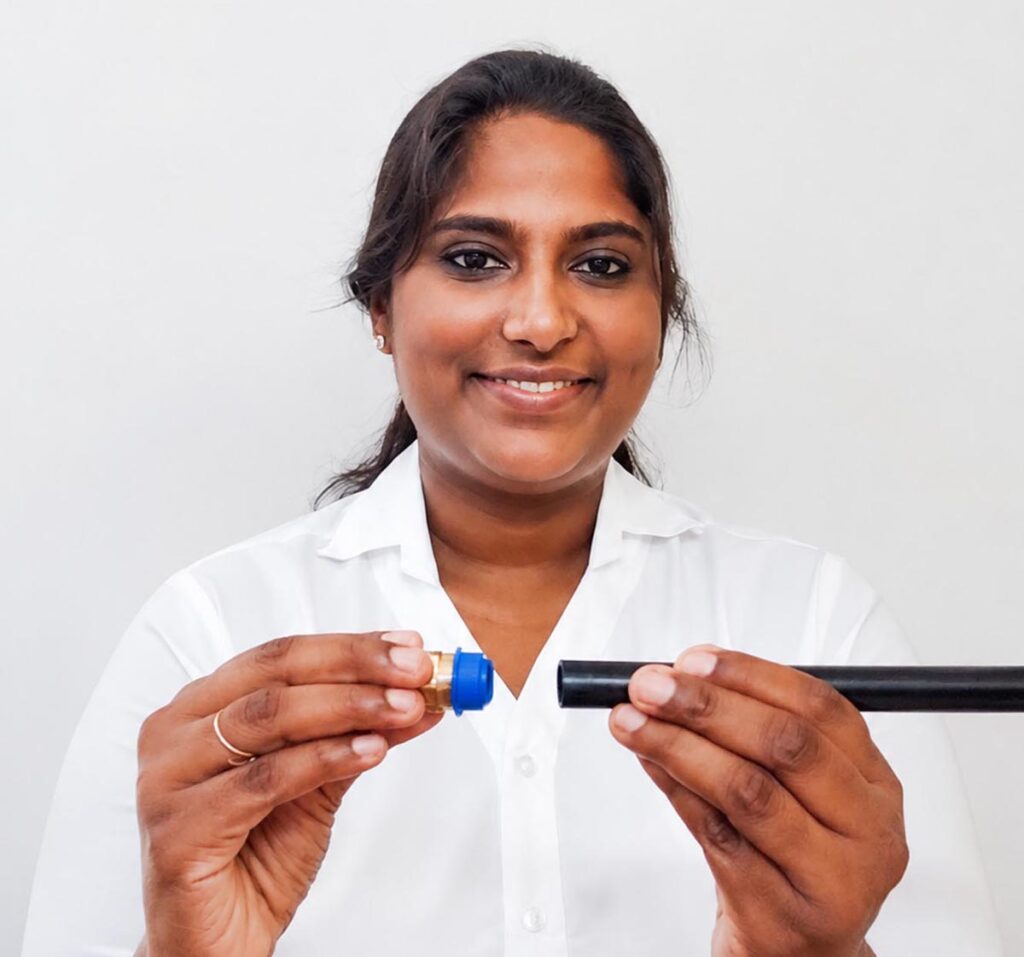
The method of connection also plays an important role. Conventional ferrule fittings require precise torque during installation, and incorrect tightening remains one of the leading causes of air leakage. Push-to-connect (PTC) fittings eliminate this dependency by enabling quick installation without the use of hand tools or thread sealants, helping reduce assembly variability while ensuring consistent sealing performance.
Beyond Assembly
The benefits of push-to-connect technology extend beyond the production line. According to MBP PVT, PMI Electro Mobility adopted its brass PTC fittings, eliminating the use of Teflon tape and hand tools during pneumatic assembly. The company reports that this helped reduce pneumatic assembly time per bus by nearly half while eliminating leak-related rework associated with conventional ferrule joints.
Maintenance efficiency is equally important for fleet operators. MBP PVT’s Pneumobox centralises vehicle pressure-check points into a single labelled diagnostic block, allowing technicians to inspect multiple pneumatic circuits from one location instead of tracing air lines throughout the chassis.
By simplifying fault diagnosis and reducing inspection time, such solutions can help minimise vehicle downtime and improve fleet productivity—factors that become increasingly important as electric commercial vehicle deployments continue to grow.
Growing Footprint
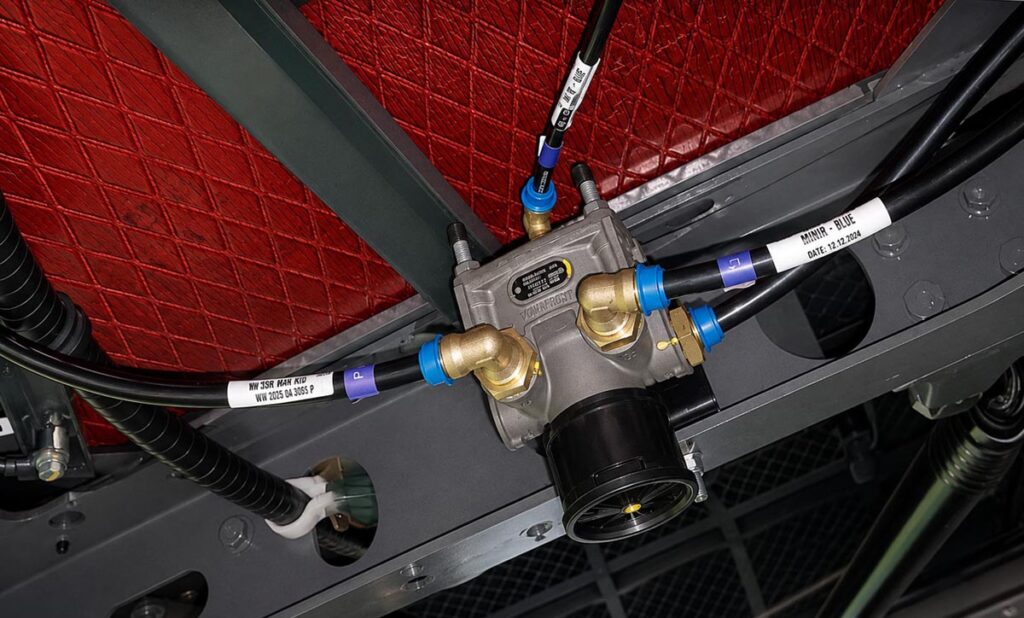
MBP PVT has steadily expanded its presence in India’s commercial EV segment. The company has supplied pneumatic fittings for more than 150 VEERABUS vehicles, around 350 PMI Electro Mobility vehicles within a three-month period, and the BlackBuck electric vehicle programme from prototype development through subsequent builds.
Manufactured in Jamnagar, Gujarat, the company’s products are based on the engineering standards of MB Pneumatyka, Poland, and are validated to IATF 16949, with every fitting undergoing 100% leak testing before dispatch.
As India’s commercial EV ecosystem continues to evolve, attention is increasingly shifting beyond batteries and motors to the reliability of supporting vehicle systems. Pneumatic connections may represent a small part of the vehicle, but their contribution to braking performance, assembly efficiency and maintenance productivity makes them an important enabler of next-generation electric buses and trucks. For pneumatic component manufacturers, the rapid growth of commercial EVs presents significant opportunities to support safer, more reliable and more serviceable vehicles.