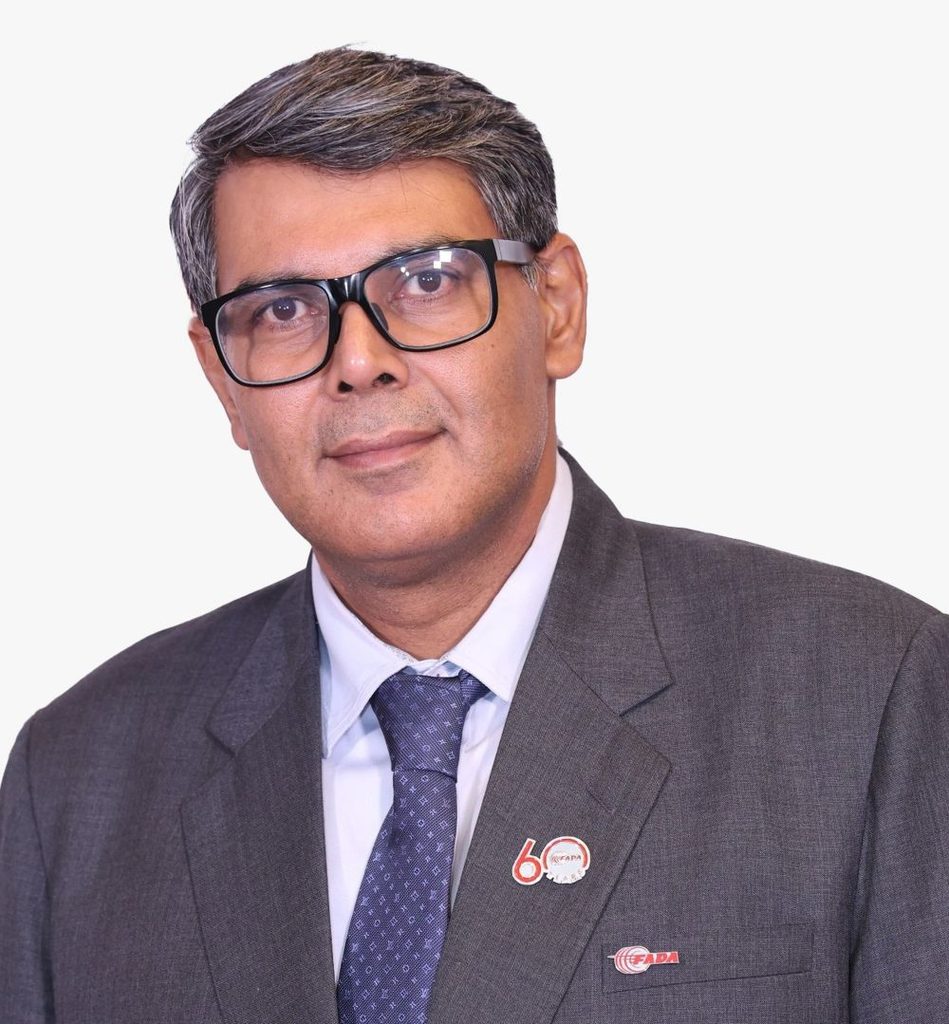
FADA’s new president Mr. Sai Giridhar says the surge is broad-based and has reached rural India, and he wants a law to protect the dealers who sell the vehicles.
India’s showrooms have just had their best six months on record. In the first half of this financial year, retail sales crossed about 1.5 crore vehicles. The earlier high, set before COVID in 2018–19, was about 1.3 crore. It took eight years to beat it and the growth at close to 50% in absolute numbers.
Is it just a lucky run? The latest monthly figure, after all, is the most “base-distorted” of the year, because sales a year earlier were low. Mr. Sai Giridhar, the new President of the Federation of Automobile Dealers Associations (FADA), acknowledged that a low base and the GST 2.0 reforms have played a part, but said they were not the whole story. “It’s not one particular aspect. It’s an overall growth story which we are witnessing in India,” he said.
Growth Drivers
Listing the reasons, he said the GST 2.0 reforms made vehicles cheaper, from two-wheelers and three-wheelers to passenger and commercial vehicles. Income tax changes and cuts in the repo rate left people with more money to spend. And the economy itself is growing in a wide, even way.
What stands out is where the growth is coming from. It is not confined to cities. It has reached rural India, and not only through farm income. “It’s more of a broad-based growth which we are witnessing even in the rural pockets of the country,” Mr. Giridhar said.
Behind all of this lies a simple change in how Indians see a vehicle. “Buying a vehicle is not a luxury in India. It is more of a necessity,” Mr. Giridhar said. People buy one to reach their office, to do their work and to run a business. “This is the kind of story we have been waiting for, for the last 15, 20 years,” he highlighted.
Customer First
His first priority is the customer. “Every 100 km the territory changes, but the customer’s expectation as far as service quality is concerned remains constant,” he said.
He saw the dealer as the one who keeps the carmaker’s promises. “We are the face of the brand. We are the custodian of the brand,” but a dealer can do this only if the business pays. “Imagine a dealership which is probably incurring losses. You think he’s going to give the same kind of services to his consumers? It is not possible.” A sustainable retail model, he argued, is in everyone’s interest.
Fair Contracts
His first big ask concerns the contract between a carmaker and a dealer. FADA has drawn up a Model Dealer Agreement, after studying international agreements and consulting carmakers. Mr. Giridhar said it protects the interests of both sides. Some carmakers have adopted it in full and others only in bits and pieces. He wants full adoption. If a carmaker thinks a clause is wrong, it should come to FADA and talk.
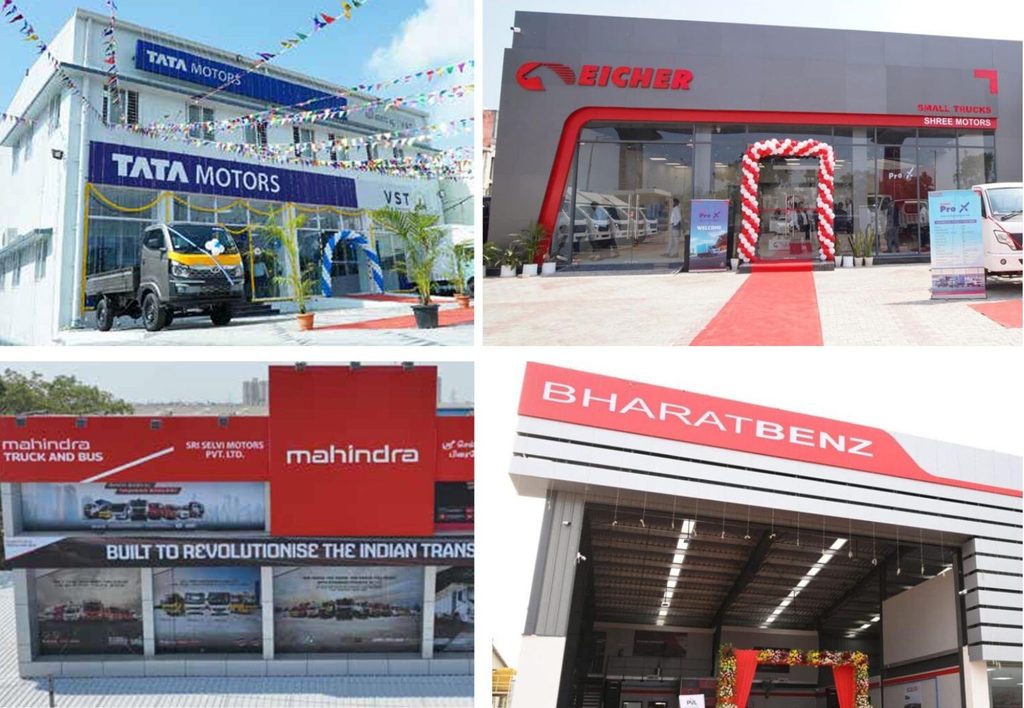
His main complaint is how agreements work today. Dealers invest crores of rupees, yet the contracts are often one-sided. “Agreement means there are dotted lines and you have to sign. The dealer cannot change even a word, in that agreement. Then what is the point of that agreement?” he explained.
Protection Law
His second ask is bigger: an Auto Retail Protection Act. At present, he says, no basic policy regime protects dealers’ interests. Many carmaker agreements, he says, allow a dealer to be removed on 90 days’ notice without any reason. A dealer may have invested heavily and hired staff having families, yet the call can be made because a regional team simply does not like him.
A law, he argued, would protect investment and secure jobs. Organised auto retail employs more people than most industries and pays a large share of tax. With a safe legal footing, a dealer would be ready to put in more money for better infrastructure and training. “He should not even blink before investing any further money in this business,” he said. FADA has been asking the Government to bring such a law.
Career Path
Mr. Giridhar also wanted auto retail to be seen as a career. Today, he said, many young people take a dealership job as a stopgap. He compares it with call centres 10 to 12 years ago, when graduates joined only until a permanent job came along. “We want the youngsters to consider joining the auto retail sector as a career and not as a stopgap arrangement,” he said. The key is a visible path – joining as a consultant today and, tomorrow, rising to general manager of the outlet.
Training Push
Skills are the other side of the story. As vehicles get connected, workshops need costly tools and trained people. FADA President said most training material is in English, so some parts of the country have plenty of trained technicians while others have few. FADA has tied up with the Automotive Skills Development Council (ASDC) and plans to open training centres in major cities, big or small. Trainees, he said, can learn close to home.
Garage Question
Raising the global trend where independent garages taking a larger share of servicing. Would that happen here? Mr. Giridhar said, the right to repair gives open garages access to know-how, but connected cars need equipment, tools and training, and that takes investment.
He does not see much of a threat to authorised dealers. Customers tend to stay with them at least while the warranty lasts, and now even after the warranty or free service, because of new technology. In the 1990s and early 2000s, he recalled, most owners moved to a local garage after free service because of long queues and a feeling of neglect. Today, he said, authorised centres offer handholding and forums where customers can be heard.
Small Towns
Looking ahead, he foresaw two shifts. The first is geography. Carmakers now want to give customers in smaller cities the same experience as in the big metros, instead of makeshift showrooms and workshops. Earlier, owners of mass-market cars sometimes travelled 400 to 500 km just to get a car serviced. Today most workshops are within 20 to 30 km. “It’s better for the economy. It is better for the consumers,” he said.
The second shift is digital. Vehicles and technology are changing fast, and dealers must keep up. Customers are also arriving better prepared. A buyer does a deep search on the web before visiting the showroom, so he may know about several products, while a dealer knows mainly his own. “Our consumers are more aware than even ourselves,” and dealers can learn from such customers and pass that on to carmakers, he mentioned.
For Mr. Giridhar, the way to sustain the growth is to keep the customer at the centre, keep dealerships viable and keep government policy long term.