Carrier Transicold is seeing growing interest in electric and connected refrigeration solutions as India’s cold-chain ecosystem evolves. With customers increasingly focused on sustainability, operating efficiency and total cost of ownership, the company is expanding its technology portfolio to address changing market needs. In this interview, Mr. Pankaj Mehta, MD, Carrier Transicold India and South Asia, discusses the adoption of electric refrigeration, the emerging cold-chain opportunities and the technology trends shaping the sector.

It has been about a year since Carrier introduced the Pulsor eCool in India. What kind of response are you seeing from customers so far, and which applications or fleet segments are showing the strongest interest in electric refrigeration?
The transition towards electric mobility is gaining significant momentum in India, supported by government initiatives, evolving regulations, attractive incentives and a growing focus on lower-emission transportation. As businesses look to reduce emissions and improve operational efficiency, we are seeing a clear increase in interest in electric-powered cold-chain solutions, particularly in urban and metropolitan markets where EV adoption is accelerating.
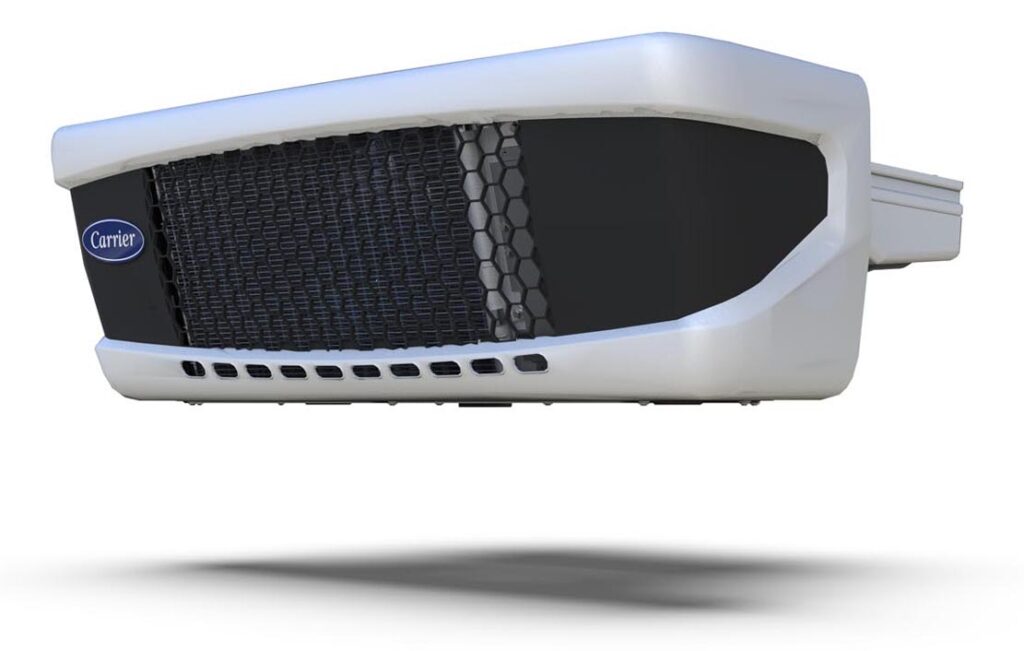
Customers are increasingly evaluating solutions that can help them achieve their sustainability objectives while delivering tangible operational benefits. Carrier Transicold’s Pulsor eCool addresses these evolving requirements through its fully electric architecture, offering zero direct engine emissions, reduced noise levels, lower maintenance requirements and improved energy efficiency compared with legacy products. Its variable-speed electric compressor enables precise temperature control and consistent performance, making it particularly well suited to urban distribution and stop-and-go delivery operations.
In terms of applications, the strongest interest is coming from e-commerce, quick commerce, confectionery and other last-mile delivery segments. These fleets are attracted by the combination of lower transportation costs, sustainability benefits, government incentives for EV adoption and the ability to maintain reliable temperature control throughout the distribution cycle. As urban cold-chain operations continue to evolve, we believe electric refrigeration solutions such as the Pulsor eCool will play an increasingly important role in supporting efficient, sustainable and future-ready refrigerated transport.
India’s commercial-vehicle electrification is still developing, particularly in refrigerated transport. What needs to change in the vehicle ecosystem, charging infrastructure and fleet economics before electric refrigeration can move from early adoption to mainstream use?
One of the biggest opportunities for the industry lies not just in electrifying vehicles, but in strengthening the entire refrigerated transport ecosystem. While commercial-vehicle charging infrastructure continues to expand, there is a clear need for faster development of dedicated charging networks, better-equipped loading and unloading facilities, and improved cold-chain handling practices to ensure temperature integrity from origin to destination.
Creating greater confidence in fleet economics is equally important. While government incentives and lower operating costs are helping accelerate adoption, fleet operators are still evaluating the long-term total cost of ownership, including battery life, replacement costs and residual value. As infrastructure matures and these economic considerations become clearer, we believe the industry will move beyond early adoption and unlock the full potential of sustainable refrigerated transport at scale.
Carrier today has a portfolio ranging from conventional Supra and Citimax systems to the fully electric Pulsor eCool architecture. How do you see this portfolio evolving as Indian customers gradually transition towards lower-emission and electric vehicles?
Carrier Transicold’s portfolio aligns closely with the pace of lower-emission technology adoption and evolving customer requirements. While conventional refrigeration solutions will continue to play an important role, we are seeing growing interest in lower-emission and electric technologies, particularly from multinational companies operating in e-commerce, quick commerce, food service and QSR segments.
Global fast-food chains and large delivery networks are actively evaluating electric vehicles for last-mile distribution, with a strong focus on sustainability and reducing total cost of ownership. This trend is driving increased demand for electric-compatible refrigeration solutions.
At the same time, government incentives, subsidies and tax benefits are helping accelerate the transition by improving the business case for electrification. Going forward, we expect the market to remain a mix of conventional and electric solutions, with adoption varying by application. Carrier Transicold’s broad portfolio, from Supra and Citimax to the fully electric Pulsor eCool, positions us to support customers at every stage of their sustainability journey, offering the right technology for their operational and environmental goals.
Beyond electrification, where do you see the biggest untapped opportunity in India’s cold-chain market today – better temperature control, energy efficiency, fleet connectivity, pharmaceutical logistics or expansion of refrigerated transport into new segments?
As the segment evolves and product categories continue to diversify, customers are increasingly looking for solutions that offer higher payload capacity, support larger box sizes, deliver better energy efficiency and provide real-time visibility across fleet operations.
One of the most significant trends we see is the growing demand for fleet connectivity and data-driven operations. Fleet operators today want greater control over their assets, product temperatures and overall operational efficiency. This is where telematics and connected refrigeration solutions create tremendous value by helping operators improve uptime, reduce operating costs and strengthen cold-chain integrity.
Platforms such as Carrier’s Lynx Fleet™ digital platform are helping drive this transformation by providing real-time visibility into refrigeration unit performance, temperature compliance, equipment health and fleet operations. With advanced connectivity and two-way telematics, operators can make faster, data-driven decisions, enhance asset utilisation and ensure greater reliability across the cold chain.
At Carrier Transicold, we are continuously evolving our portfolio to meet the changing needs of the cold-chain industry. Solutions such as the Supra A and Citimax D are designed to deliver high performance with improved fuel efficiency and lower operating costs compared with legacy units, helping customers maximise productivity and payload.
As transportation infrastructure continues to improve, opportunities may also expand for trailer refrigeration and multimodal cold-chain operations. Ultimately, technologies that help customers move more products, more efficiently and more sustainably will drive the next phase of cold-chain growth.
Is the Indian market ready to pay for smarter and more efficient refrigeration technology, or is the industry still primarily driven by the lowest upfront cost? How is Carrier changing that conversation with customers?
Traditionally, the focus has been on upfront acquisition cost, especially among transport operators and 3PL players with limited capital and credit availability for large investments. However, the conversation is gradually shifting from purchase price to total cost of ownership. Customers are increasingly asking how a solution can help reduce operating costs, improve uptime and deliver stronger returns throughout the asset lifecycle.
At Carrier Transicold, we are helping to accelerate this shift by focusing on reducing total cost of ownership rather than just the initial investment. Beyond energy-efficient refrigeration solutions, we offer value-added services such as maintenance contracts, telematics and connected service support that help customers maximise equipment uptime, improve operational visibility and reduce lifecycle costs.
Ultimately, the most successful fleet operators will be those who look beyond upfront price and recognise that long-term efficiency, reliability and asset performance deliver the greatest value.