The company believes that diesel engines will continue to play a vital role, performing particularly well in commercial vehicles, off-highway equipment, tractors, and select variants of passenger vehicles, says, Mr. T. K. Balaji, Chairman & Managing Director, Delphi-TVS Technologies Ltd.
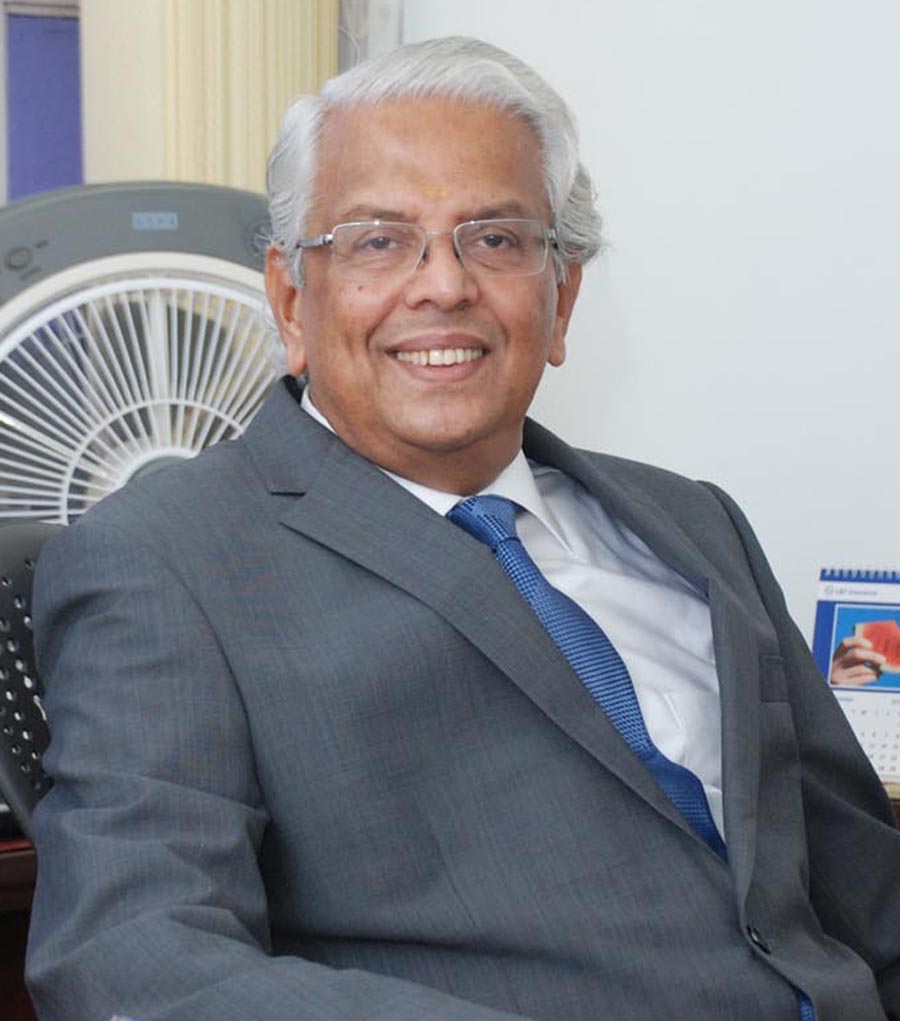
The Indian automotive landscape is evolving towards a multi-energy ecosystem where multiple fuel paths, including gasoline, diesel, electric, CNG and hydrogen, will co-exist. The right technology will ultimately depend on the application, infrastructure, economics and customer requirements, Mr. Balaji said.
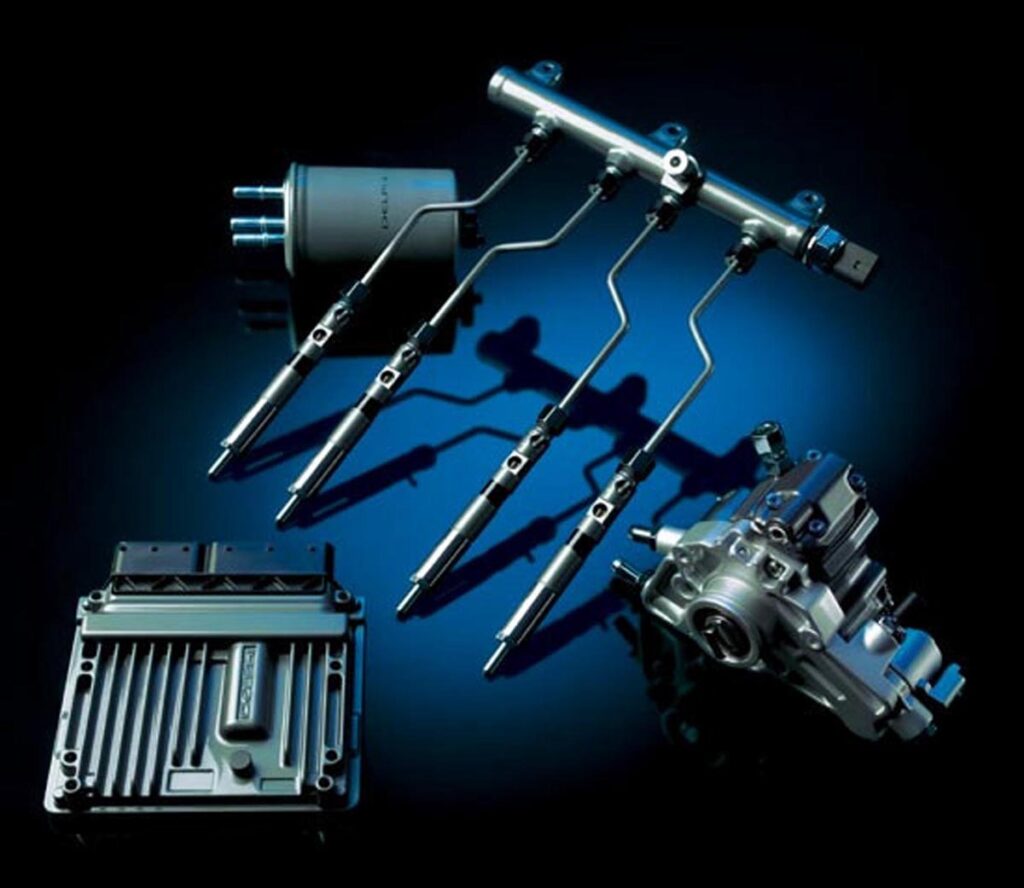
Delphi-TVS Technologies (DTVS) expects diesel engines to continue playing a vital role, performing particularly well in commercial vehicles, off highway equipment, tractors and select variants of passenger vehicles. At BS6, their tailpipe emissions are comparable to gasoline vehicles, while continuing to offer nearly 20% to 25% fuel efficiency advantage. This also translates into substantially lower carbon dioxide emissions as well. Advanced Common Rail Diesel Fuel Injection (CRDI) systems deliver fuel at extremely high pressures with precise electronic control of injection timing and quantity, enabling finer atomisation, more complete combustion and the combination of superior torque, durability and lower fuel consumption that makes modern diesel the reliable and efficient choice for transportation and off-highway equipment.
Regulations, Frugal Engineering and Localisation Imperative
Increasingly stringent regulations, including Bharat Stage evolution, WLTP, future BS7 requirements, Euro 7 and TREM regulations, are accelerating the development of cleaner and more efficient powertrain technologies. The transition towards TREM V is expected to drive significant technology change in the Indian tractor industry, which has already crossed one million units annually.
Engineering the Road Ahead
For over 35 years, Delphi-TVS Technologies (DTVS) has stayed ahead of technology shifts, introducing Rotary Pump technology when inline systems dominated, then aggressively championing Common Rail before it gained traction in India. This pioneering streak continued through two-cylinder Rotary solutions, Unit Pump Common Rail, and LNT technologies. DTVS has supplied more than 10 million diesel fuel injection systems demonstrating its extensive experience, technology leadership and proven track record in diesel fuel systems. DTVS has partnered closely with OEMs through the BS3-to-BS6 transition and is preparing for future norms like WLTP, BS7, TREM 3AA, and TREM V, alongside a strong fuel filter portfolio.
Central to this journey is the DTVS Technology Centre, driving engineering excellence, indigenous innovation, and fast customer response across cars, SUVs, LCVs, commercial vehicles, backhoe loaders, gensets, and tractors. Through innovative engineering, DTVS has also successfully virtualised certain sensors, enabling their elimination without affecting vehicle functionality, demonstrating its continued ability to deliver smart, forward-looking solutions.
“Today our products are successfully operating in global markets, reflecting the strength of Indian engineering and manufacturing. Through our association with PHINIA, we continue to access contemporary global technologies and engineering expertise, enabling us to stay ahead of evolving market requirements.
In terms of technology, while we continue to advance our fuel injection products, we are expanding into the development of exhaust after-treatment systems. This will provide significant synergy and integration benefits to our customers, enabling them to source critical powertrain systems from a single, trusted partner. To meet increased customer demand, DTVS is also undertaking major expansion in its Common Rail facility”, he said.
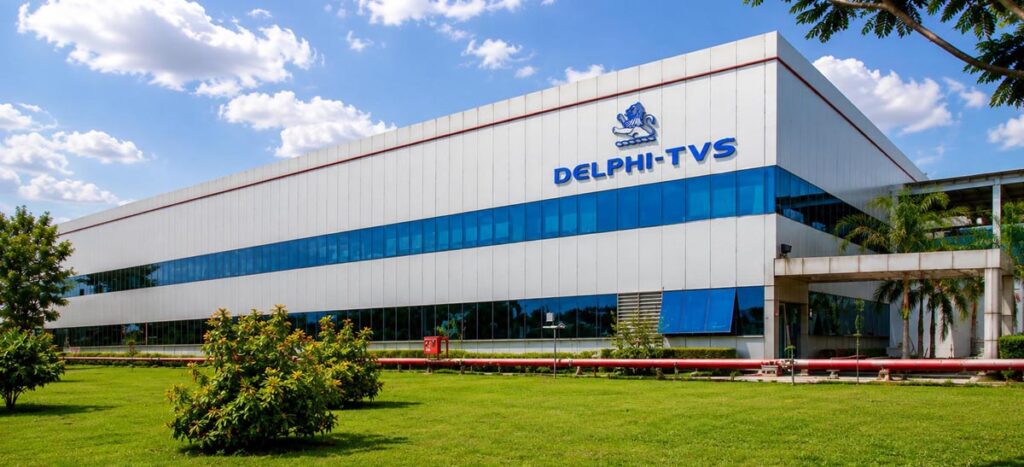
Technology leadership is backed by strong aftermarket support, including in-house test benches, an expanded service network, advanced diagnostics, and technician training, reinforcing customer confidence. DTVS credits its customers and partners, including Tata Motors, Mahindra, Hyundai, Ashok Leyland, VECV, Force Motors, JCB, Escorts, Sonalika, Swaraj, and Greaves for their continued trust as it builds future-ready mobility solutions.
“Localisation will define OEMs and suppliers alike, reducing geopolitical risks, strengthening supply chains, and boosting competitiveness. Done efficiently, it can turn India into a true global manufacturing hub, backed by rising worldwide preference to source from the country.”