By. Ravichandran Srinivasan
As the automotive industry undergoes rapid technological transformation, the aftermarket is evolving alongside it – from increasingly sophisticated braking and suspension systems to the growing adoption of electric mobility and connected, data-driven service networks. Endurance Technologies is expanding its capabilities across these areas while strengthening its manufacturing footprint and aftermarket reach. In this conversation, Mr. Rajendra Abhange, Member of the Board of Directors & COO, Endurance Technologies Ltd., discusses the company’s approach to product premiumisation, ABS and braking technology, aluminium lightweighting, EV components, aftermarket expansion and its emerging foray into four-wheeler suspension.
Ravichandran Srinivasan (RS): Endurance has successfully driven product premiumisation through technologies such as inverted front forks and assist-and-slip clutches. How is the Indian aftermarket responding to these higher-technology components, and what unique challenges do they present for independent workshops in terms of servicing and spares?
Rajendra Abhange (RA): The Indian automotive ecosystem is becoming technologically advanced to meet regulatory requirements and the expectations of increasingly informed customers.
Consumers are no longer looking at aftermarket parts merely as spares, but as solutions that help keep their vehicles performing throughout their lifespan while also supporting competitive resale values. This presents an opportunity for Tier-1 auto solution providers like Endurance to build a stronger connect with consumers and serve them with technologically superior aftermarket products.
COO, Endurance Technologies
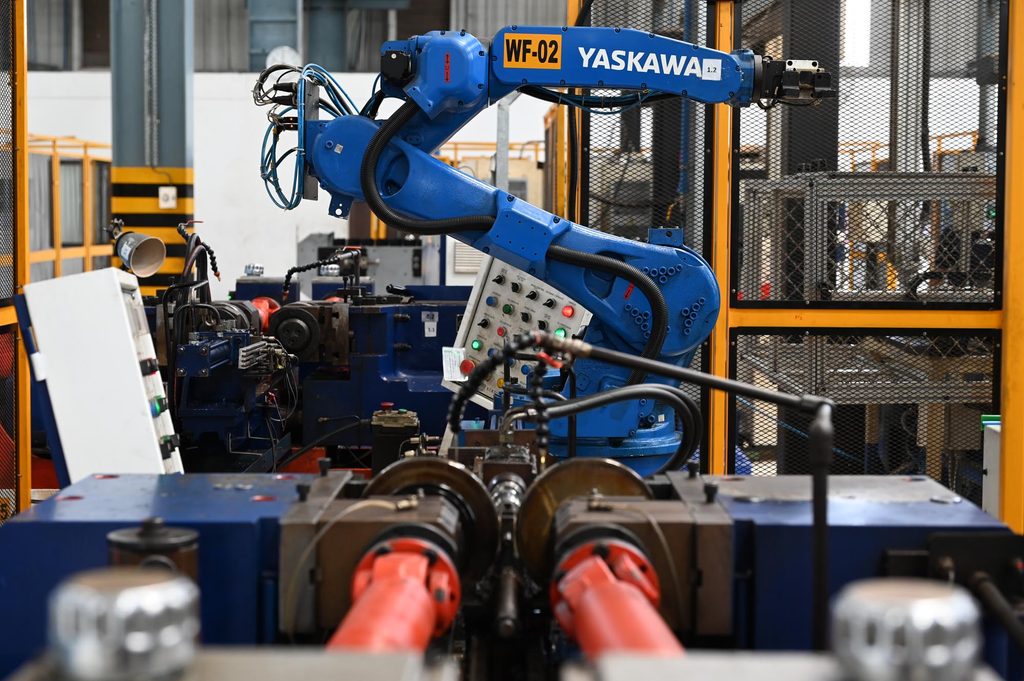
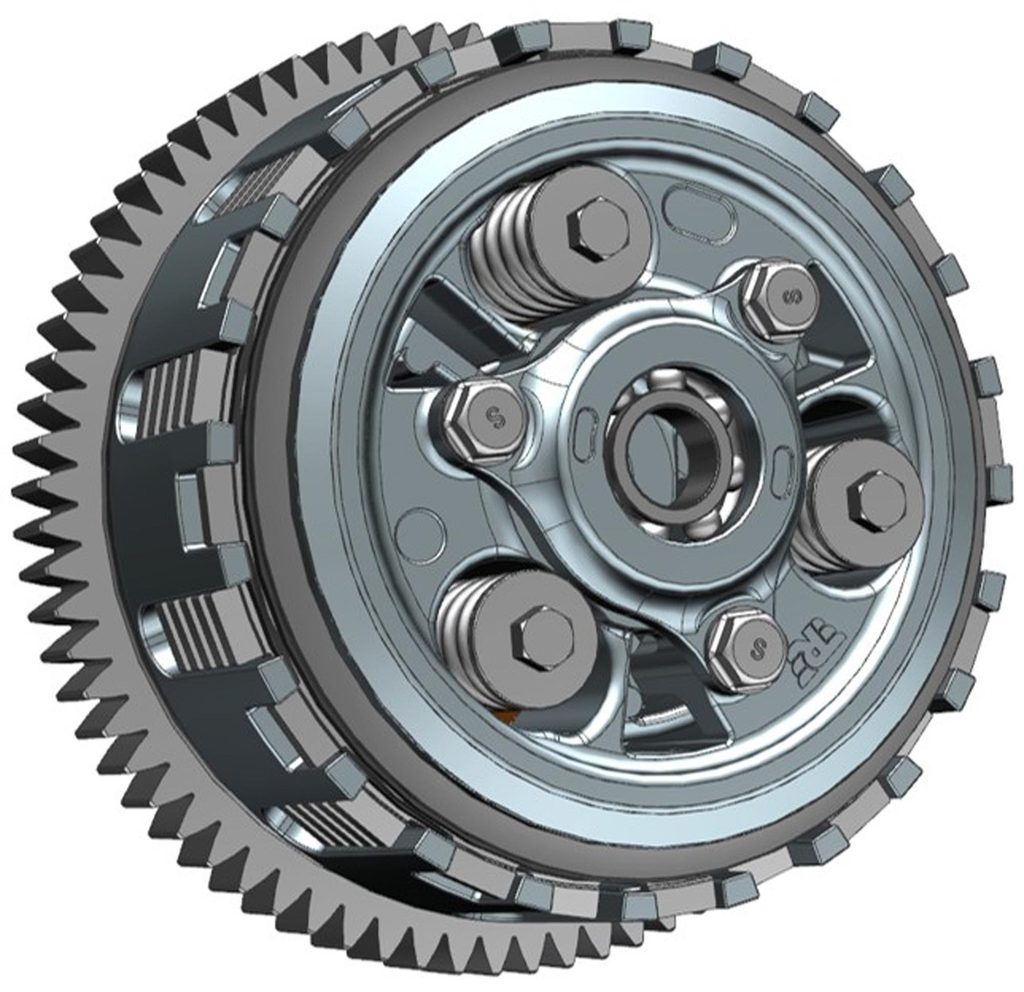
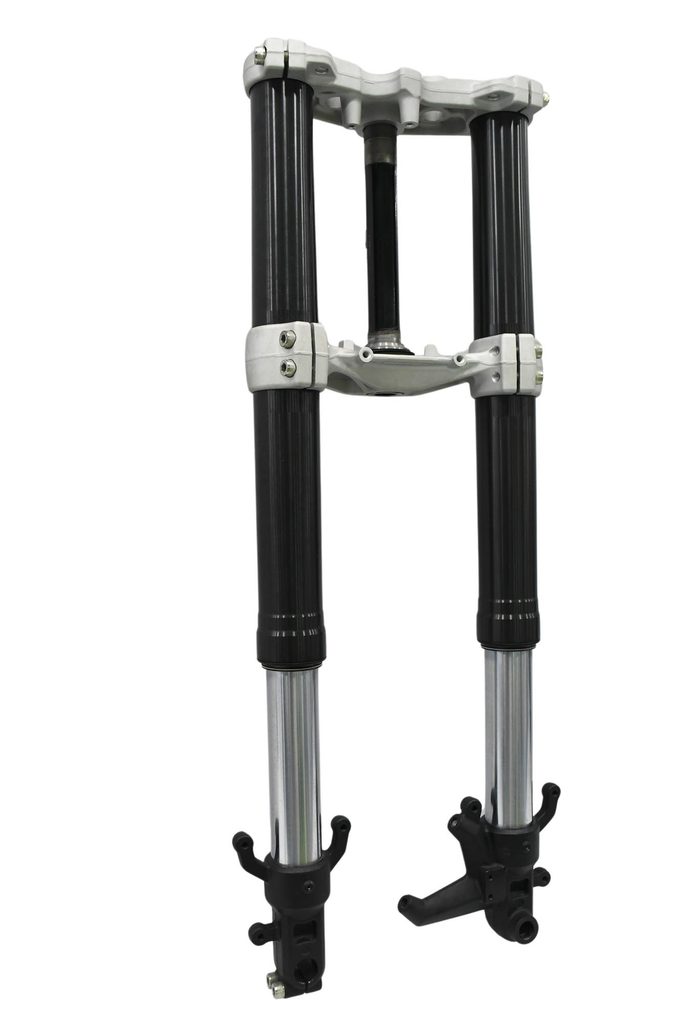
Endurance, as a brand known for providing complete solutions, performance and technology, is seeing a very promising response to its aftermarket product ranges, including inverted front forks and assist-and-slip clutches. From the servicing and spares perspective, our higher-technology products are very much service-friendly, and independent workshops are quite comfortable with them. This is one of the reasons why Endurance aftermarket is growing faster than the industry average. We have more than 500 aftermarket distributors across over 350 districts in India, ensuring the availability of Endurance aftermarket products close to consumption points.
RS: With the significant expansion of your anti-lock braking system (ABS) capacity to 1.84 million units annually, how is Endurance leveraging its new integrated R&D facility for brakes in Chhatrapati Sambhajinagar to develop advanced braking systems such as dual-channel ABS and traction control for the 160cc–250cc premium segment?
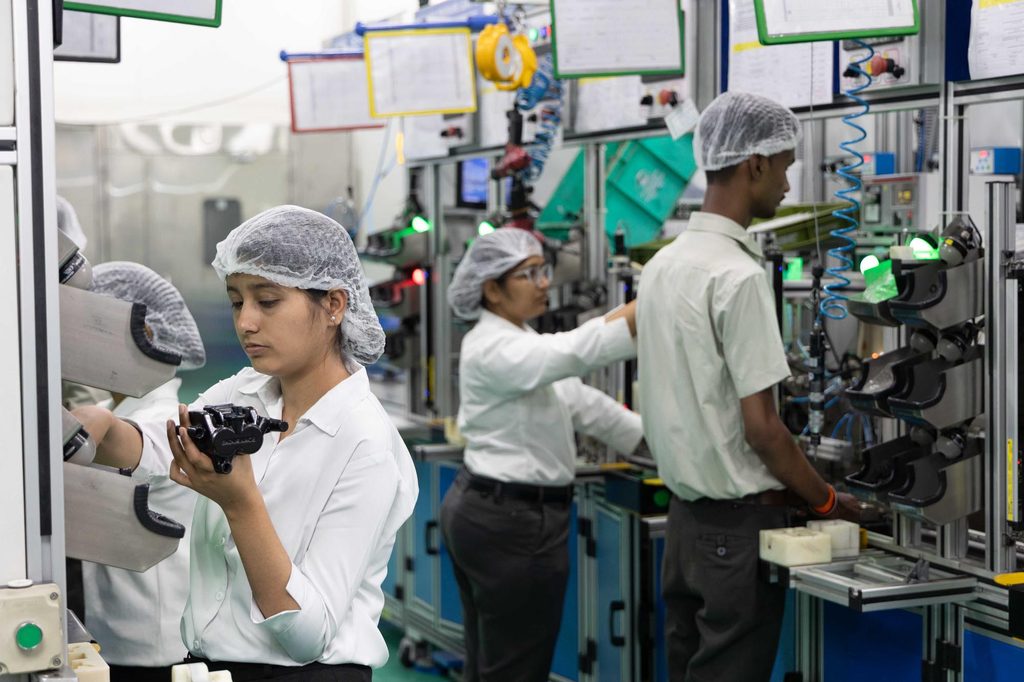
RA: We have set up a new R&D facility for brakes in Chhatrapati Sambhajinagar to enhance our capabilities across two-wheeler brakes and ABS, while also supporting four-wheeler brake assemblies with strengthened in-house testing and validation. The first phase of our ABS capacity expansion, involving 1.2 million units, is on track for start of production (SOP) in September 2026. This is being implemented irrespective of the final regulatory notification, given the rising adoption of safety technologies by OEMs. Incremental demand is expected mainly from lower-capacity vehicles, as ABS is already mandatory above 125cc.
We are also enhancing our product offering with the integration of new features such as traction control for improved stability in select applications, in line with evolving OEM requirements in the premium 160cc–250cc motorcycle segment. In addition, we are planning to manufacture electronic control units for ABS in-house.
RS: As braking and transmission components become more complex, what initiatives is Endurance taking to educate the aftermarket garage ecosystem on advanced diagnostics and proper installation protocols?
RA: Endurance products are technologically superior yet service-friendly, and hence there is no inherent complexity in handling service repairs. Our aftermarket connect programmes enable us to provide training to mechanics and workshops. We have more than 100 salespeople who are constantly present in the aftermarket, building people-to-people connections and addressing the support requirements of the ecosystem.
Endurance aftermarket products are generally not repaired; they are replaced with a new part, while the service fitment of Endurance parts is much easier and simpler in independent workshops. We believe technology should be simple rather than complex when it comes to delivering performance.
R&D, Lightweighting and the EV Opportunity
RS: Global emission norms and range concerns are driving the need for aggressive vehicular weight reduction. Could you share some insights from your DSIR-approved R&D centres on innovations in high-pressure, low-pressure and gravity die-castings that have enabled the replacement of conventional steel components, such as cast aluminium swing arms and structural brackets, without compromising rigidity?
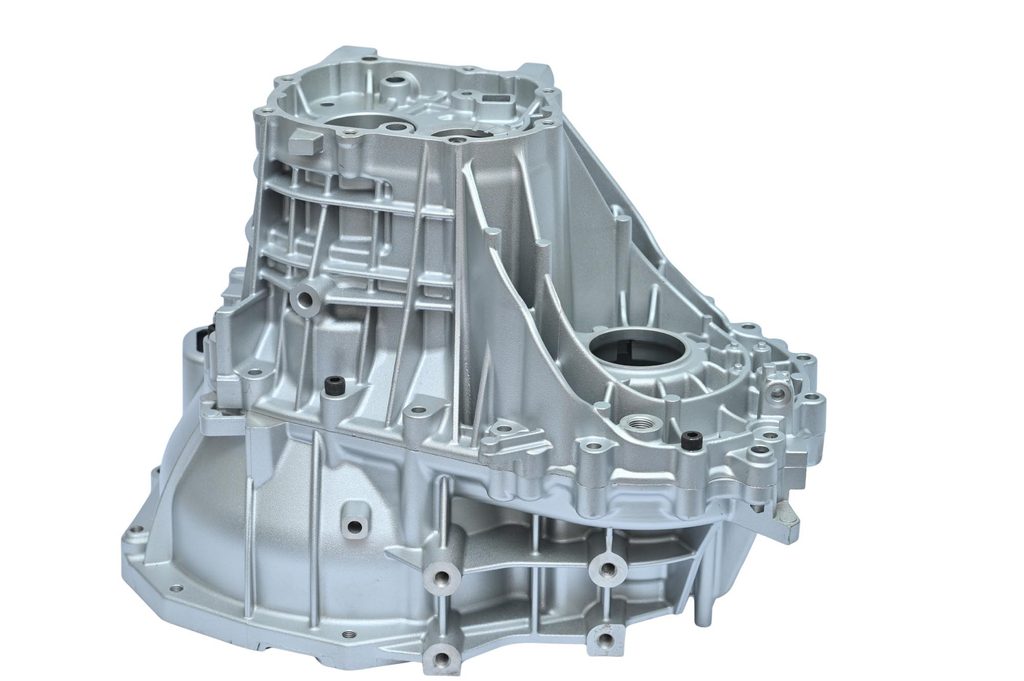
RA: Aluminium alloys play a critical role in enabling lightweight solutions. To support this, Endurance Technologies has invested in a range of advanced technologies to develop high-performance aluminium alloys and optimised heat-treatment processes that deliver the required mechanical strength.
In addition, Endurance has introduced multiple in-process quality detection technologies, along with digitisation and end-to-end traceability solutions, to ensure consistent product quality, process reliability and complete manufacturing traceability.
RS: Endurance has begun lithium-ion battery pack production at its new facility near Pune, backed by the acquisition of Maxwell Energy Systems for Battery Management Systems (BMS). What is the operational timeline for scaled deployment, and are you targeting passenger vehicles and three-wheelers alongside the initial two-wheeler EV applications?
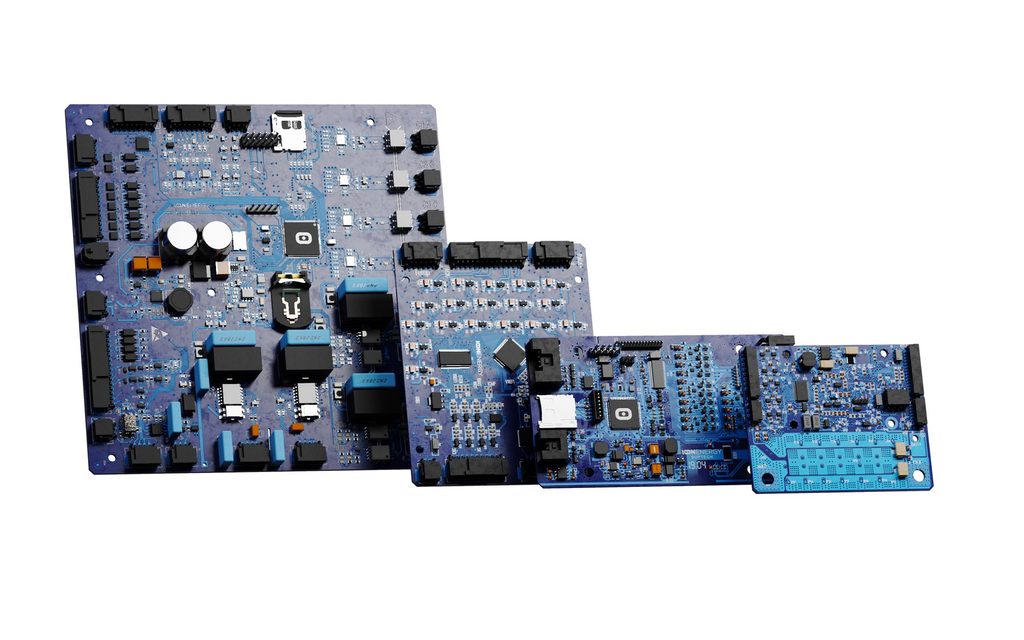
RA: On 17 June, our greenfield plant at Mindewadi near Pune began commercial production of lithium-ion battery packs for two-wheelers. The installed capacity is about 26,000 packs a month, scalable to 35,000, with a line of sight to 70% utilisation by October 2026. The announced capex was Rs. 47.3 crore.
On 18 June, we announced a capacity addition at the same plant to manufacture battery packs for four-wheeler applications. We are in advanced stages of discussions and hope to secure this business soon. The capex is approximately Rs. 62 crore, funded through internal accruals, and commissioning is expected by Q3 FY27.
While the first product is for a two-wheeler EV, we intend to leverage the capability across two-wheelers, three-wheelers and other high-potential segments as opportunities develop.
RS: From an Aftermarket & Service perspective, how does Endurance plan to manage component distribution and field service for electronics, BMS and battery packs, where standard mechanical repair skills may not apply?
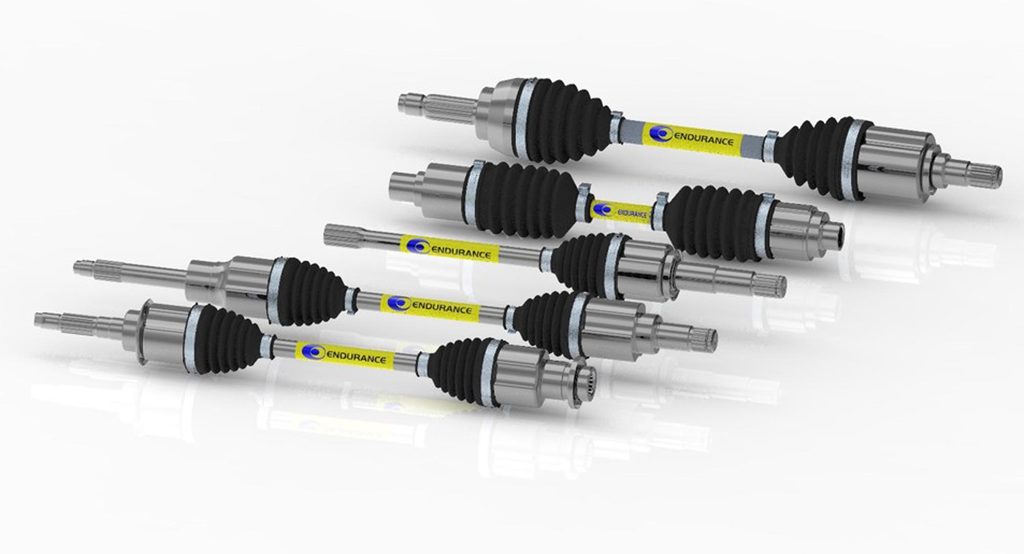
RA: Endurance has a wide distribution network to serve domestic and export aftermarket requirements. As and when aftermarket requirements for electronics, BMS, battery packs and related components become serviceable, we will ensure that we capture and service such demand. At present, we offer aftermarket products for EV two- and three-wheelers across suspension, braking and transmission categories.
Expanding the Manufacturing and Customer Footprint
RS: With 27 plants in India and six across Italy and Germany, how does Endurance balance technology transfers between your European operations and domestic operations?
RA: We have 34 plants in total, with 21 plants in India and 13 in Europe – eight in Italy and five in Germany. While the European operations are under separate subsidiaries and step-down subsidiaries, technology transfer and collaboration take place based on operational or market requirements. For example, we have benefited from the expertise of our Italian subsidiary, Ingenia Automation, to carry out automation on our lines in India. We have also introduced Adler’s assist-and-slip clutch technology to the Indian market.
RS: While Bajaj Auto remains an important, long-standing customer, Endurance has built a diversified customer base across vehicle segments. What is the strategic approach to balancing OEM shares over the next three years?
RA: While Bajaj Auto remains an important, long-standing customer, we have built a diversified customer base across vehicle segments in India. In Europe, our major customers are premium European OEMs including Mercedes, Stellantis, the Volkswagen Group and BMW.
We are also expanding our product portfolio to serve all segments, including two-wheelers, three-wheelers, four-wheelers and non-automotive applications. We are winning business from both existing and new OEMs, as well as non-automotive customers. We recently entered the solar space with suspension dampers and will soon add actuators to this offering. With our existing two-wheeler OEMs, our focus is on deepening relationships by offering a wider range of products and increasing content per vehicle.
RS: Endurance has stated an objective of increasing its aftermarket revenue share to 10% by FY2028. What distribution mechanisms, secondary order-booking technology platforms and regional warehouse expansions are being deployed to achieve this target?
RA: Endurance is a firm believer in technology and productivity. We are the first company in the Indian auto parts Tier-1 industry to have an AI-driven technology platform to capture secondary orders and help our long-term channel partners with their secondary sales.
We have four regional warehouses across India to ensure timely order fulfilment for our channel partners. We are digitising our aftermarket value chain because we believe productivity improves when the business value chain is transparent and data-driven. We are guided by a data-driven, market-share-based working methodology. Accordingly, we are increasing our aftermarket channel presence in whitespace districts and expanding our product range to become a complete solution provider for two- and three-wheeler aftermarket needs.
Safety, Capacity and the Next Engineering Frontier
RS: The Ministry of Road Transport and Highways has proposed extending ABS requirements to lower-capacity two-wheelers below 125cc. Your ABS capacity expansion to 1.84 million units per annum is scheduled to go live in September 2026. How close are your key OEM clients to finalising their changeover timelines, and will this expanded capacity be absorbed immediately by these lower-displacement models?
RA: We await the final notification. That said, the first phase of our ABS capacity expansion is on track for SOP in September 2026 and is being implemented irrespective of the final regulatory notification, given the rising adoption of safety technologies by OEMs and customer preference. We see incremental demand from the sub-125cc segment.
RS: Is there active engineering development or exploratory R&D currently being conducted to enter the advanced four-wheeler suspension market, such as electronically controlled dampers, multi-link suspension arms or air suspension components for luxury passenger cars and SUVs?
RA: Four-wheeler suspension is an active area for us. We have a technical assistance agreement with a Korean technology partner suited to Indian passenger-car applications, and we are in advanced discussions with leading OEMs.