Fleet operators often focus on fuel and maintenance as the primary cost drivers. However, the true cost of running a commercial fleet extends far beyond these visible expenses.
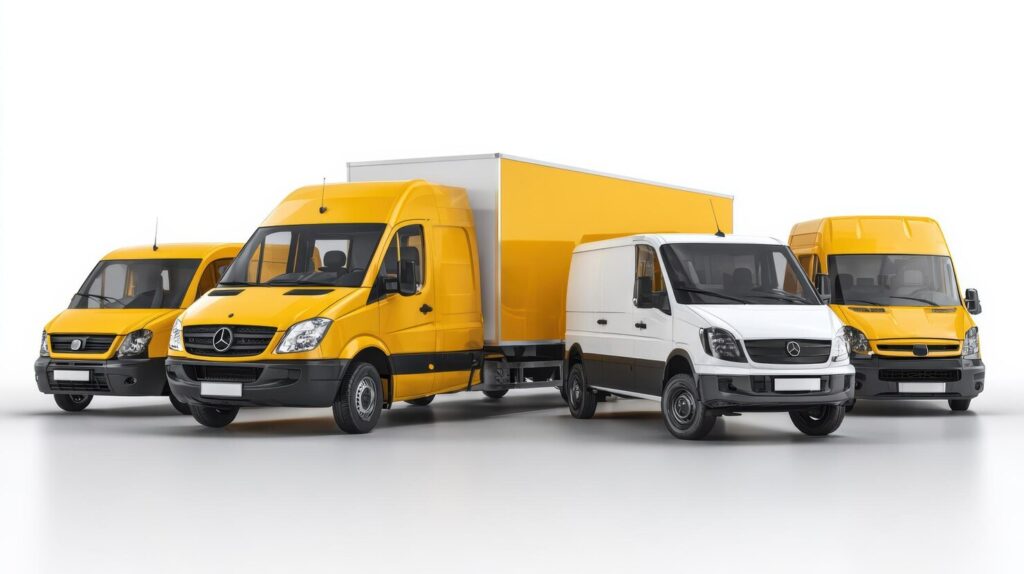
Factors such as downtime, driver behaviour, compliance, liabilities, and insurance significantly influence the Total Cost of Ownership (TCO). Understanding these hidden costs is critical for improving operational efficiency and long-term profitability.
Fuel & Maintenance Are Only Part of the Cost
Fuel and maintenance will continue to be the key elements of commercial fleet operational expenses, representing the most significant portion of everyday costs. Fuel cost volatility continues to impact fleet profitability and budgeting.
On the other hand, routine maintenance operations such as oil changes, tyre rotation, brake checks, and preventive services will remain crucial to prevent malfunctions and extend vehicle lifespan. These costs are obvious and predictable, making them much easier to control than hidden costs.
Driver Costs and Operational Inefficiencies
Driver-related expenditures can go far beyond payroll expenses. Higher driver turnover increases hiring and training costs, and inexperienced drivers tend to be less fuel-efficient and incur higher maintenance costs.
Unsafe driving practices like overspeeding, harsh braking, and drunk driving also lead to accidents, compliance issues, and claims. On the other hand, inefficient route planning and inefficient utilisation of driving hours decrease the operational efficiency of fleet operations. This highlights the critical impact of driver behaviour and workforce management on fleet profitability.
Accident Costs Go Beyond Repairs
In case of total loss or severe damage, costs extend beyond repairs. For heavy commercial vehicles, having the right protection in place such as truck insurance becomes critical to managing high-value loss scenarios, especially when asset replacement, operational downtime, and liability exposure are involved.
Third-Party Liability Risks
Liabilities and third-party risks are a major contributor to overall fleet costs. A single accident involving a commercial vehicle can lead to considerable legal, medical, and compensatory costs.
This is where commercial vehicle insurance plays a crucial role in mitigating financial exposure arising from third-party risks and liabilities.
Below are some of the important third-party risk factors that contribute to the rise in commercial vehicle insurance costs and increase liability exposure for businesses:
- Damage to Third-Party Property
Commercial vehicles often engage in heavy traffic operations, transportation over long distances, and high-mileage operations. This increases the likelihood of accidents in which the third party’s property is damaged.
The costs of repairing and replacing the property can be quite high, given the advanced technology and materials used in today’s vehicles and infrastructure. In the event of an accident, the fleet operator may incur significant liabilities and costs that extend well beyond the cost of repairing the vehicle.
- Injury and Bodily Liability Claims
Another important feature of third-party commercial vehicle insurance is coverage for injuries or deaths to third parties.
Due to medical inflation, an increase in costs for hospital stays, and the increasing severity of road accidents, the cost of claims has risen considerably in recent times. This is because bodily injury liability in commercial vehicle insurance can significantly expose businesses to uncertain liabilities after an accident.
- Rising Compensation and Legal Costs
The cost of legal proceedings in cases involving accidents with commercial vehicles is increasing owing to increased litigation, social inflation, and higher settlement amounts. Compensation for physical injury, loss of income, disability, or accidental death may be provided by the courts.
Furthermore, there are the costs of hiring attorneys, legal proceedings, and settlements, which make liability claims among the most significant reasons for premium increases in commercial auto insurance.
- Exposure to Financial Risks and Compliance Issues
According to the Motor Vehicles Act of 1988, all commercial vehicles in India should have third-party insurance coverage. There are potential legal consequences for failing to do so, including penalties and exposure to considerable financial risks.
While third-party insurance will not cover any damage caused to the insured vehicle, businesses need to avoid liability for unforeseen events such as accidents and injuries.
Rising Compliance Costs
Compliance with regulatory requirements has been an increasing cost in operations for commercial vehicle fleet operators and transport firms. Fleet managers need to ensure their automobiles have updated permits, valid fitness certificates, PUC documentation, driver documentation, and insurance coverage as part of the compliance process.
Increasing regulatory requirements have added to operational complexity and cost. However, non-compliance with these regulations will tend to attract hefty penalties, legal notices, business disruption, and even loss of operational continuity.
Insurance as a Cost Factor
Commercial vehicle insurance is often treated as a mandatory compliance requirement. However, it is a critical component of financial risk management in fleet operations.
It serves as a protective shield by mitigating the effects of accidents, third-party risks, vehicle damage, theft, and operational disruptions on the business’s financial performance. A comprehensive commercial vehicle insurance policy, along with suitable add-ons, can also help reduce downtime and unforeseen repair costs.
Why is Total Cost of Ownership (TCO) Evolving?
Fleet operators today evaluate Total Cost of Ownership (TCO) beyond acquisition costs. The modern TCO concept is centred around operational efficiency, financial risks, and business continuity throughout the lifespan of the vehicle. Thus, fleet operators can now track:
- Operating Costs
Fleet operators are now assessing the operating costs associated with ongoing operations like fuel usage, maintenance, servicing, insurance payments, storage fees, personnel costs, and administration. Minor discrepancies or errors in the day-to-day operations of the fleet can significantly affect overall profitability.
- Financial Risks
Fleet managers are considering financial risks that may be incurred from issues like accidents, legal action, delays in delivery, regulatory penalties, breakdowns, and liabilities. Rather than looking only at cost savings, companies are evaluating how unforeseen events can affect their finances.
- Downtime
Downtime for vehicles due to accidents, repairs, permits, and maintenance delays may affect the delivery process, customer service, and revenue generation. It is now considered a major financial cost for companies since even short downtime will lead to higher labour costs, lower efficiency, and poor customer relations.
- Additional Costs
The new total cost of ownership involves analysing the costs of acquisition, operation, maintenance, compliance, and disposal of vehicles together rather than separately.
More fleet operators work with their operations, warehouse, finance, and maintenance departments to uncover additional costs and gain better transparency about the costs involved.
Risk Management in Fleet Economics
Risk management has become a core component of modern fleet operations. Fleets are adopting risk management as an integral element in financial and operational planning rather than as an independent task that has nothing to do with finances.
At present, businesses emphasise elements such as effective safety measures, careful monitoring of drivers, regular maintenance of vehicles, optimal routes, and compliance controls in order to avoid accidents and disruptions in operations.
Financial risks associated with accidents and liabilities have become a crucial element of the financial planning of modern fleets. Controlling financial risks associated with driver behaviour, vehicle maintenance, and compliance issues helps fleets operate smoothly and avoid unforeseen costs.
Future: Cost and Risk Optimisation
Fleet management is increasingly driven by integrated cost and risk optimisation strategies. With digital monitoring systems, predictive maintenance, artificial intelligence, and telematics, fleet operators can predict problems before they interfere with operations.
More and more businesses understand that operational effectiveness lies in avoiding disruptions, not just responding to them. Hence, they focus on monitoring vehicle performance, driving behaviour, fuel usage, and road conditions to help avoid costly repairs, delays, and non-compliance issues.
With data becoming a crucial part of fleet management, the integration of cost management with risk management emerges as the next step towards sustainable profitability.
Conclusion
Fleet profitability is no longer driven only by visible costs such as fuel and maintenance. Hidden factors such as downtime, liabilities, compliance, and operational inefficiencies play an equally critical role.
A proactive approach that combines cost control, risk management, and data-driven decision-making is essential for sustainable fleet operations.