At IAA Transportation 2026 in Hannover, Volvo Trucks showcased a broad portfolio of updated technologies, underlining its strategy of offering customers multiple pathways towards more efficient, safer and sustainable transport. The company presented upgraded diesel powertrains, an expanded battery-electric truck range and hydrogen technologies, including hydrogen internal combustion and fuel-cell electric trucks.
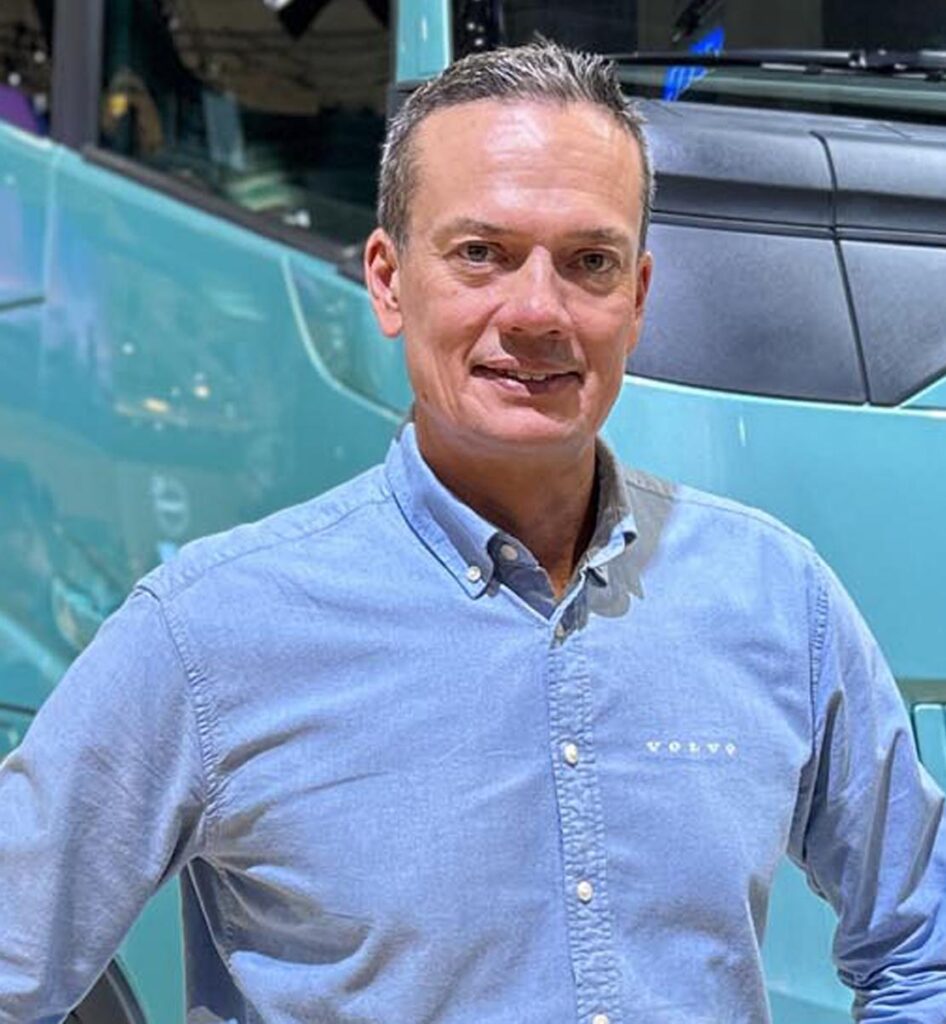
Speaking about the exhibits, Mr. Jan Hjelmgren, Product Management at Volvo Trucks, said the company has strengthened both conventional and new-generation truck technologies to address changing customer needs across markets. “We have updated all our different drivetrains and different types of trucks. We have new diesel engines that are more efficient and stronger, while our battery-electric trucks have also been significantly updated.”
The latest battery-electric trucks offer increased range, improved efficiency and higher payload capability. Visitors at Hannover could also test Volvo’s hydrogen-powered technologies, giving a glimpse into the company’s wider approach to future propulsion.
Building the ecosystem for electrification
While Volvo continues to see strong potential for electric trucks, Mr. Hjelmgren acknowledged that the transition across Europe has been slower than initially expected. He identified charging infrastructure and supportive incentives as important factors needed to accelerate adoption.
“We have good, updated products, but there is a little bit more that is necessary.
We need infrastructure to charge and we would like to see more incentives in different countries.”
At the same time, momentum is increasing in several European markets. He pointed to Switzerland, where Volvo expects battery-electric and diesel trucks to reach roughly a 50:50 mix in 2027. He believes the coming year could see stronger growth in electric truck adoption across several European countries.
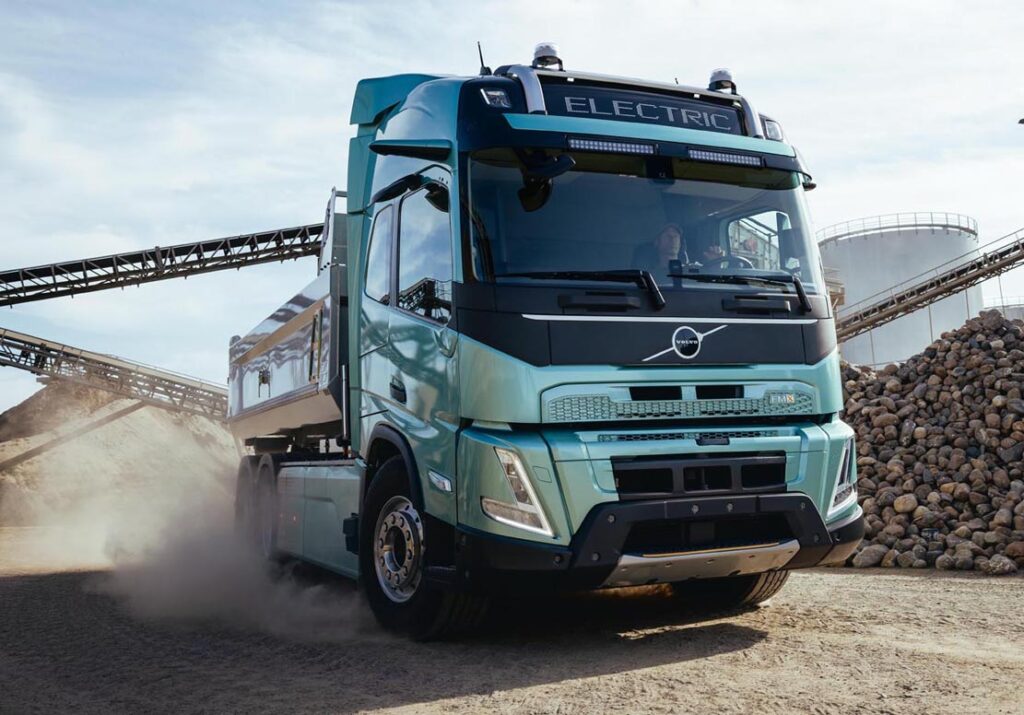
Volvo is also working beyond the vehicle itself. Through its Milence joint venture, the company is supporting the development of charging infrastructure, while working with cities, regions and customers to make electrification easier to implement. The focus is increasingly on the complete transport solution rather than simply selling an electric truck.
Real-world experience shaping the roadmap
Volvo’s electric strategy is backed by growing field experience. More than 7,000 Volvo electric trucks are operating with around 2,000 customers, providing valuable feedback from fleet operators and drivers. “The feedback from both drivers and customers has been really, really good. Especially the drivers say they do not want to go back to a traditional truck.”
For customers, this transition also requires confidence in uptime and aftersales support. Volvo offers service contracts with its electric trucks, with many agreements including uptime commitments. This approach is particularly important for commercial fleets, where vehicle availability directly affects productivity and operating economics.
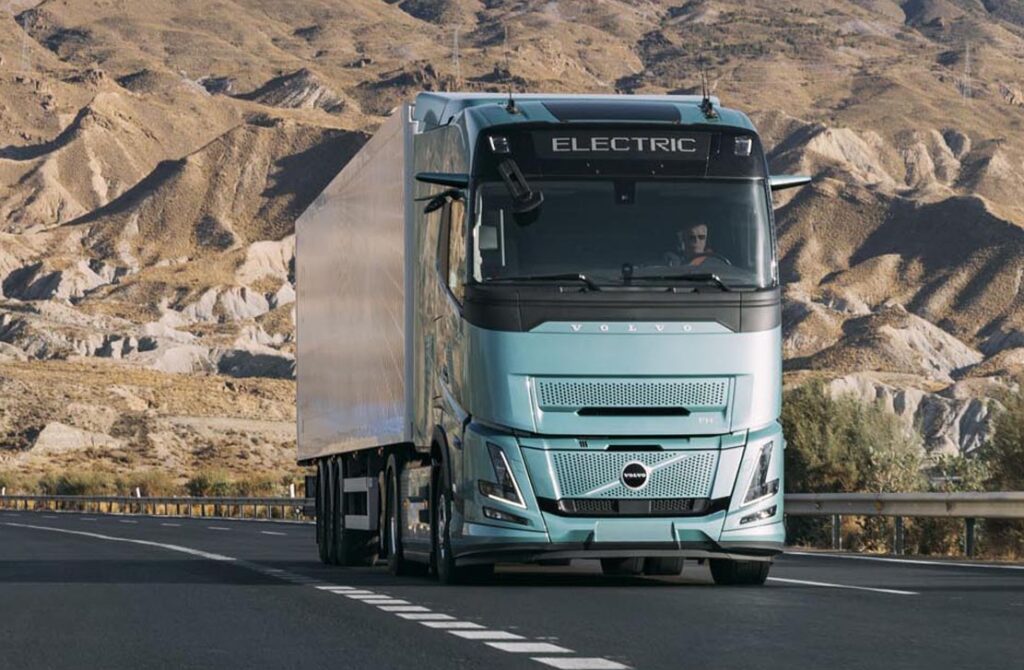
Despite the focus on electrification, Volvo does not see the future as an either-or choice between electric and combustion technologies. Its global presence means that different regions will transition at different speeds, requiring a flexible powertrain strategy. “We will have combustion engines for a very long time. In parallel, we are developing our battery-electric solutions; for us, it is not either-or,” he said.
The company therefore continues developing combustion engines, including to meet upcoming Euro 7 requirements in Europe, while simultaneously advancing battery-electric and hydrogen technologies. Safety remains another major pillar, with Volvo highlighting seven truck models achieving five-star Euro NCAP ratings.
The broader message from Hannover was clear; Volvo Trucks is preparing for a multi-technology future, combining improved conventional powertrains with electric and hydrogen solutions. By developing products, infrastructure and service support together, Volvo aims to help customers make the transition at a pace suited to their individual operations and markets.