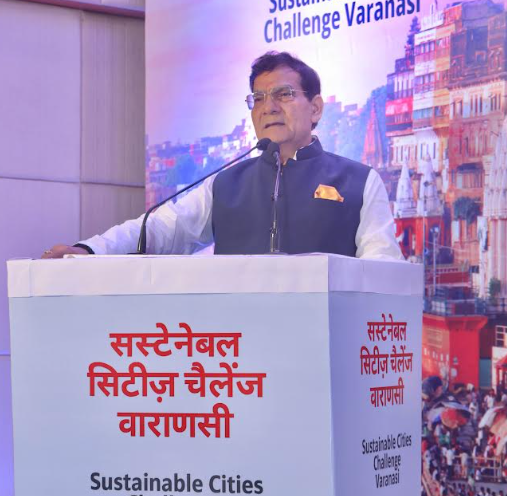
Varanasi is set to deploy a portfolio of innovative mobility and crowd management solutions across its historic old city, Kashi, following the announcement of winners of the Sustainable Cities Challenge Varanasi — an initiative led by Varanasi Nagar Nigam in collaboration with the Toyota Mobility Foundation, Challenge Works, and WRI India.
Two solutions have been selected as winners and will receive financial and advisory support to scale across the old city. CityFlow, developed by CITYDATA.AI in partnership with Nippon Koei, uses big data, computer vision, and generative AI to analyse and manage crowd movement in real time, helping authorities identify and respond to congestion hotspots before they become dangerous. Janjatra, developed by The Urbanizer, combines colour-coded wayfinding, dynamic digital signage, and tactical urban interventions to improve navigation and ease pressure on heavily used pedestrian routes.
Two additional solutions received Honourable Mention recognition. Behtarway, developed by VOGIC AI, is an AI-powered hyperlocal pedestrian navigation platform, while Nayichaal, developed by Prameya Consulting, focuses on improving accessibility and navigability for vulnerable populations within the old city.
The four solutions emerged from a two-year challenge process that brought together innovators, city authorities, mobility experts, and local stakeholders to develop practical and scalable approaches to crowd and pedestrian management — a critical need in a city that sees millions of pilgrims, tourists, and residents moving through dense heritage precincts every year.
Mr. Himanshu Nagpal, IAS, Municipal Commissioner of Varanasi Nagar Nigam and CEO of Varanasi Smart City Limited, said managing the movement of millions of people through a dense and historic urban fabric requires new approaches that balance heritage preservation with modern city management, and that the selected solutions demonstrate how data-driven technologies and human-centred design can help cities anticipate and respond to crowding challenges more effectively.
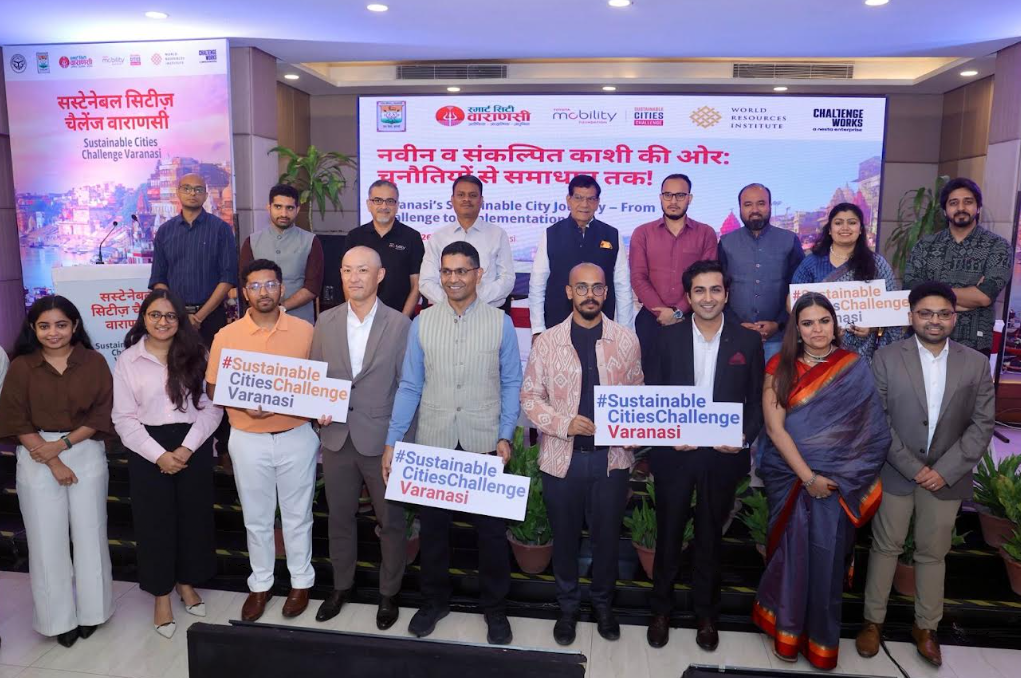
Mr. Prasanna Ganesh, Executive Program Director of the Toyota Mobility Foundation, said the innovators recognised through the challenge have successfully transformed the challenges of a historic city into opportunities for innovation, and that the solutions have progressed beyond pilot concepts to actively help city authorities manage overcrowding while improving the experience for residents and visitors.
Mr. Avinash Dubedi, Head of Sustainable Cities and Transport at WRI India, said Varanasi is showing how historic cities can use innovation to address today’s mobility challenges, and that as these solutions scale, the city could become a model for heritage and pilgrimage cities worldwide seeking to integrate mobility management with inclusive urban design.
Mr. Vikram Gulati, Country Head and Executive Vice President of Corporate Affairs at Toyota Kirloskar Motor, which supported the challenge through on-ground engagement in India, commended the selected teams for harnessing innovation to address real-world challenges and create meaningful impact in one of India’s most significant cultural cities.