From serving an automotive industry that had only a handful of vehicle models in the 1960s to navigating today’s highly competitive, technology-driven aftermarket, Subhash Auto Enterprises has witnessed and adapted to every major transformation in India’s automotive landscape. Established in 1966, the Chennai-based distributor has built its reputation on quality, long-term partnerships and steady growth, while remaining focused on the evolving needs of the aftermarket.
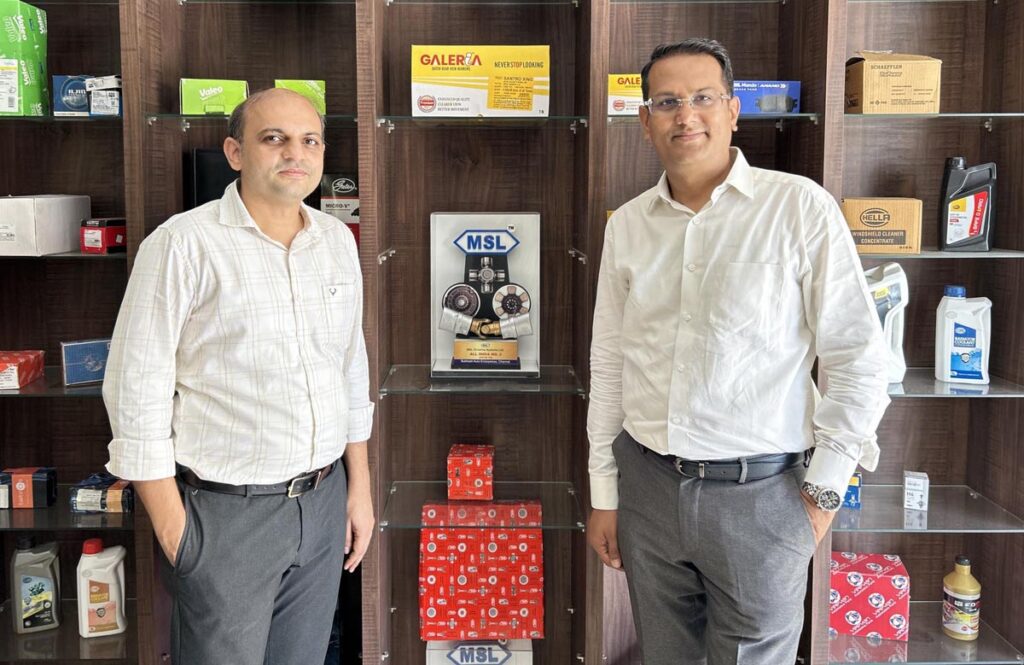
Reflecting on the company’s six-decade journey, S. Naresh Ranka and Kunal Ranka, Partners, Subhash Auto Enterprises, say the business has evolved alongside the Indian automobile industry itself. The company was founded by K. Subhashchand Ranka and R. Chandramowlee, and initially catered to a market dominated by just a few passenger car models before expanding into passenger vehicles, light commercial vehicles, and selected heavy commercial vehicle segments. The company initially operated under an exclusive distribution model in South India. As the Indian automotive market expanded and the number of vehicle brands and models grew significantly, it transitioned to a parallel distribution model to broaden its product portfolio and sustain long-term growth.
Today, the company primarily serves the Tamil Nadu market while representing 17 to 18 major aftermarket brands, including MSL Driveline Systems, Talbros, Mando, Hitachi, Hella, Iljin, FAG, Valeo, Veethree, Jay Switches and Gates, offering a comprehensive portfolio of clutch systems, suspension and steering components, brake products, bearings, lighting solutions and other replacement parts.
Growing Amid New Aftermarket Realities
While India’s expanding vehicle parc has significantly increased aftermarket opportunities, Naresh believes the business environment has become equally competitive. The growing dominance of genuine OEM parts, shrinking distributor margins, increasing inventory requirements and rising operational costs have made sustainability one of the industry’s biggest concerns.
“The opportunity is immense because there are far more vehicles on Indian roads today. However, distributors now need to actively reach customers rather than wait for business to come to them. Subhash Auto Enterprises has responded by strengthening its product portfolio while embracing digital channels,” he explained.
Recognising the gradual shift towards electric mobility, the company is also aligning its portfolio with EV-agnostic products such as suspension, steering, braking components, bearings, mirrors and lighting systems, products that remain relevant across both internal combustion engine and electric vehicles.
“EVs will certainly reshape the aftermarket, but many components remain common across ICE and electric platforms. Our strategy is to strengthen categories that will continue to serve both technologies and remain relevant in the years ahead,” he shared.
Although EV-specific aftermarket demand is still emerging, he believes the immediate opportunity lies in supplying common replacement components while monitoring future developments as electric vehicle volumes increase.
Understanding Evolving Replacement Demand
He also notes distinct differences between passenger and commercial vehicle aftermarket dynamics. Passenger vehicles typically enter the independent aftermarket after four to five years, whereas light commercial vehicles generate replacement demand much earlier due to higher utilisation and faster wear. Commercial vehicle customers prioritise uptime and operating costs, while passenger vehicle owners generally place greater emphasis on product quality and reliability.
Driving Efficiency Through Digitalisation
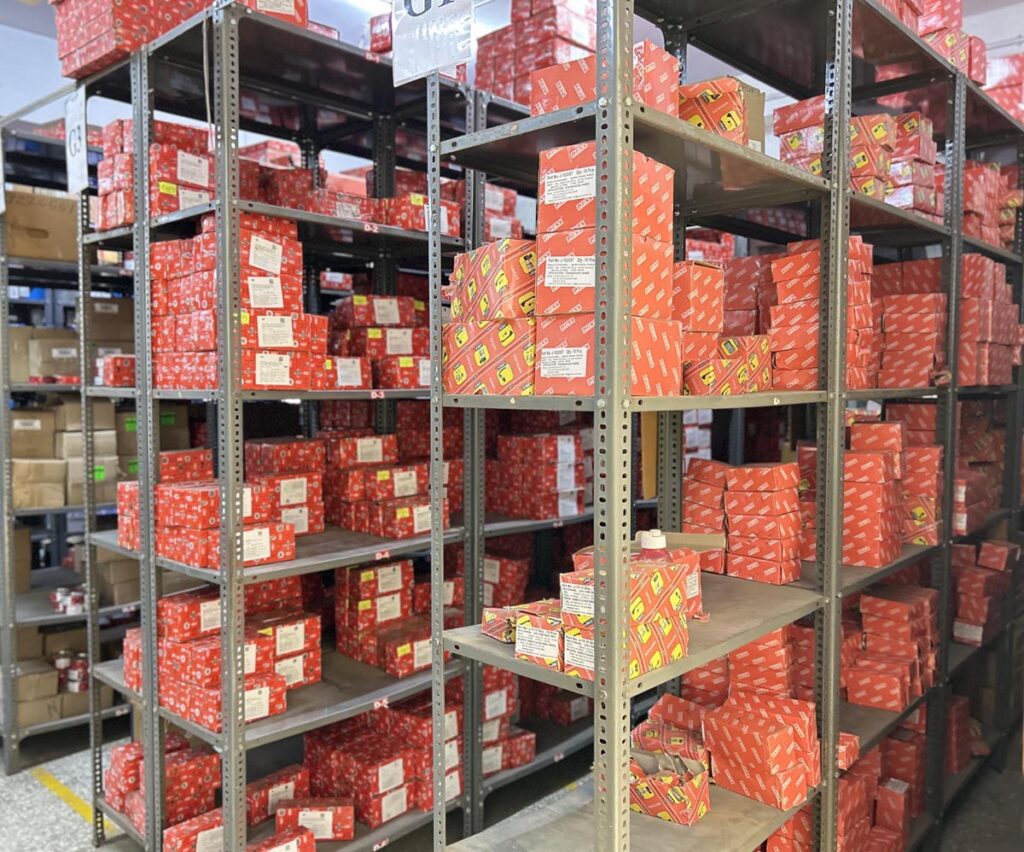
Digital transformation has become another pillar of the company’s strategy. Subhash Auto Enterprises has invested in ERP systems, structured warehouse management and a proprietary mobile application that enables retailers and field sales teams to check inventory, pricing, outstanding payments and place orders in real time.
The company is also looking to strengthen its presence in the parts distribution space while expanding Motrparts.com, its online platform that offers both genuine and aftermarket automotive spare parts and accessories, providing customers with nationwide accessibility and a seamless ordering experience.
“Technology is not a competitor, it is an enabler. Digitisation improves inventory accuracy, eliminates communication gaps and allows both our customers and sales teams to work faster and more efficiently,” Naresh stated.
Addressing Counterfeit and Margin Pressures
Among the industry’s persistent challenges, Kunal Ranka identifies counterfeit parts as one of the most critical. However, he argues that the issue cannot be addressed through enforcement alone. According to him, healthy and sustainable profit margins across the distribution chain are equally important to discourage the sale of counterfeit products, alongside greater customer awareness and education.
Changing Customer Behaviour and Market Dynamics
Kunal Ranka also observes that retailers today have become far more quality-conscious while carrying significantly lower inventory. Instead of stocking thousands of SKUs, many retailers now rely on distributors for quick replenishment, making inventory management and product availability increasingly important.
Looking at Chennai and South India, he believes the market continues to value premium, high-quality components, supported by the region’s strong automotive manufacturing ecosystem. At the same time, he sees online commerce gradually expanding its role in the aftermarket by improving transparency and widening market access.
“The future of the aftermarket depends on manufacturers and distributors growing together. Sustainable margins, strong partnerships and continuous investment in technology will ensure the next generation sees value in this business and carries it forward,” Naresh concluded.