By an expert in the EV industry
India’s logistics sector is at an inflection point. As manufacturing, e-commerce and consumer demand grow, freight movement will continue to increase, making the transition to cleaner transportation increasingly important. According to a study by the National Council of Applied Economic Research (NCAER), fuel accounts for 42.1% of total road transport costs in India, underscoring the significant impact of fuel prices on freight economics. For businesses, the priority is to find practical and commercially viable ways to accelerate freight electrification without disrupting existing operations.
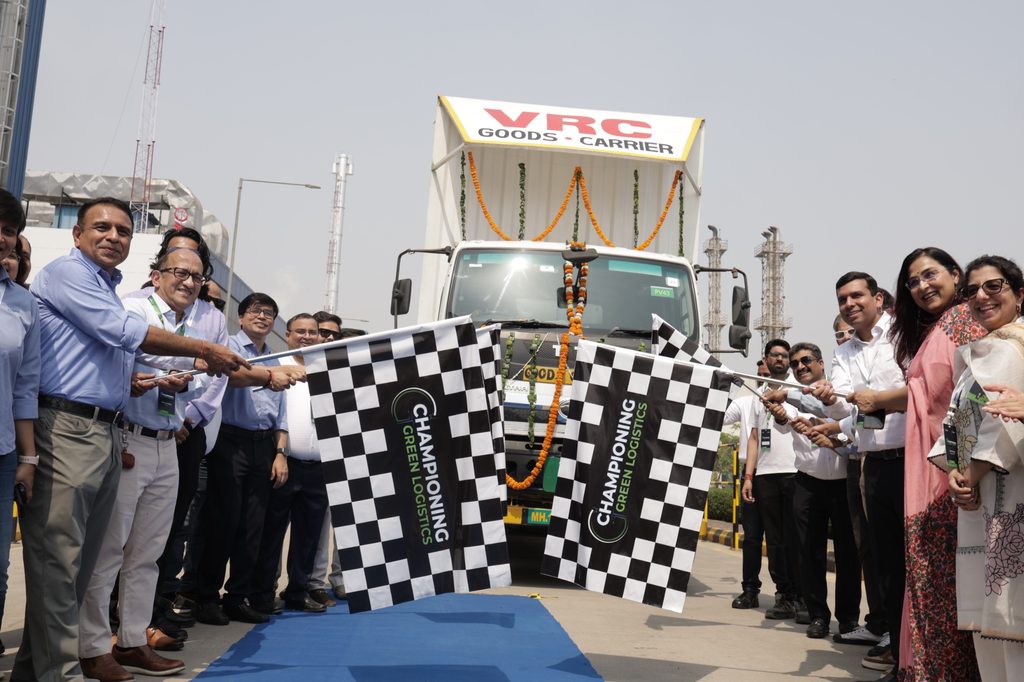
The policy environment is also creating momentum, with government incentives for electric trucks signalling the growing importance of electric freight in India’s mobility transition. However, replacing India’s vast existing commercial vehicle fleet will take time and significant investment. It can help industries accelerate electrification by building on their existing vehicles, established routes and operating models, making the transition more practical, scalable and sustainable. The conversation around green freight must move beyond deploying new electric trucks to also making India’s existing freight fleet cleaner. PepsiCo India’s work with the Kosi–Pataudi EV Green Corridor, developed in partnership with Kalyani Powertrain Limited, Vayudoot Road Carriers & New Trishul Transport Services, provides valuable learnings in this area. The corridor operates with thirteen 32-feet electric container trucks and is expected to enable approximately 6 lakh electric kilometres annually. Importantly, the initiative includes retrofitted electric trucks, helping all of us to understand how existing commercial vehicles can be converted to electric powertrains and operated effectively in real-world freight conditions. PepsiCo India looks forward to working with more organizations in the sector to grow this ecosystem.
The deployment highlights that retrofitting is not just a technology intervention but an operational transformation, requiring careful consideration of routes, payloads, charging, maintenance and total cost of ownership. While it may not be suitable for every vehicle or use case, real-world pilots, ecosystem collaboration and digital technologies can help identify where retrofitting can deliver the greatest environmental and commercial value. The focus should be on matching the right technology to the right operating use case. Scaling this opportunity will require strong collaboration across the ecosystem. Powertrain technology providers, vehicle manufacturers, logistics companies, charging infrastructure providers, financing companies and shippers will need to work together to develop solutions that are reliable, efficient and commercially viable. Digital technologies can further strengthen this transition. Fleet visibility, route optimisation and data analytics can help identify suitable vehicles and routes, optimise charging and monitor vehicle performance.
The broader logistics transition is already taking shape. PepsiCo India has already electrified more than 800 distributor-linked vehicles nationwide and deployed over 80 CNG vehicles in the NCR, demonstrating that freight decarbonisation will require multiple solutions. Retrofitting, however, deserves greater attention for its potential to accelerate the transition of suitable vehicles already operating on India’s roads.
Retrofitting should be seen as an important complementary solution in India’s green freight transition, helping bring cleaner technology to suitable existing fleets alongside the growing adoption of new electric vehicles. With the right policy support, technology, infrastructure and industry collaboration, it can help accelerate the transition towards a more efficient, resilient and future-ready freight ecosystem.
If you are an OEM or an organisation working in electric mobility for commercial vehicles retrofitting, charge point operators or sustainable freight solutions, or financial institutions enabling the sector, and are interested in exploring a partnership, please write to us at Yogesh.Rathore@pepsico.com, Praveen.Mishra@pepsico.com