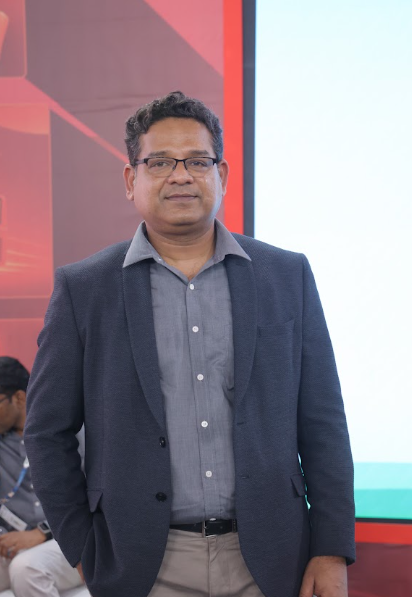
As India’s intercity bus industry continues to embrace digital transformation, redBus continues to expand its role beyond ticketing, as a technology partner for bus operators. At Prawaas 5.0, the company showcased a range of AI-powered and data-driven solutions aimed at helping operators improve profitability, identify new business opportunities and enhance passenger experience. Speaking to MOTORINDIA, Mr. Manoj Agarwala, Chief Business Officer, redBus, highlighted how these innovations are enabling operators to make smarter, data-backed decisions.
Enabling smarter operations
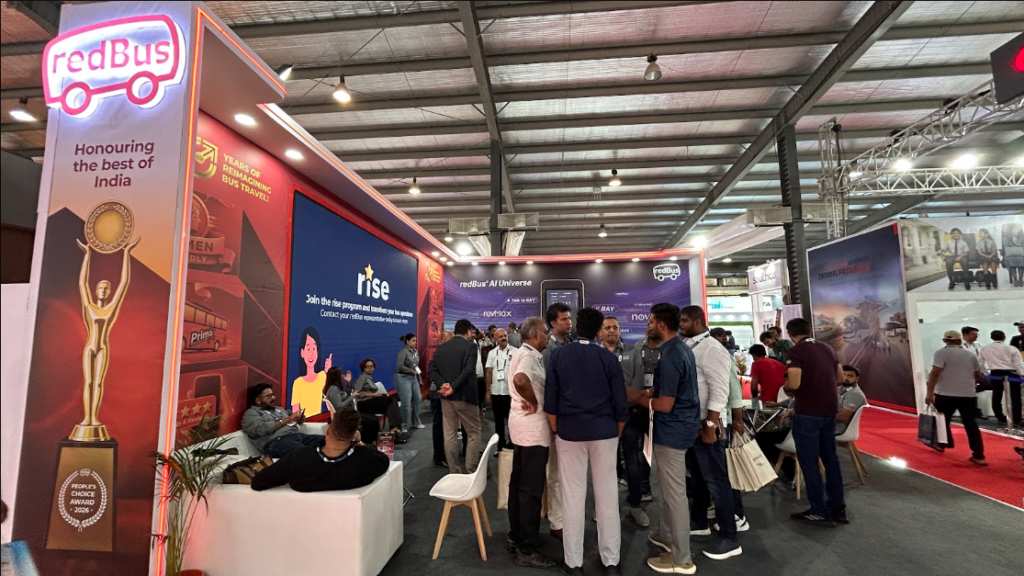
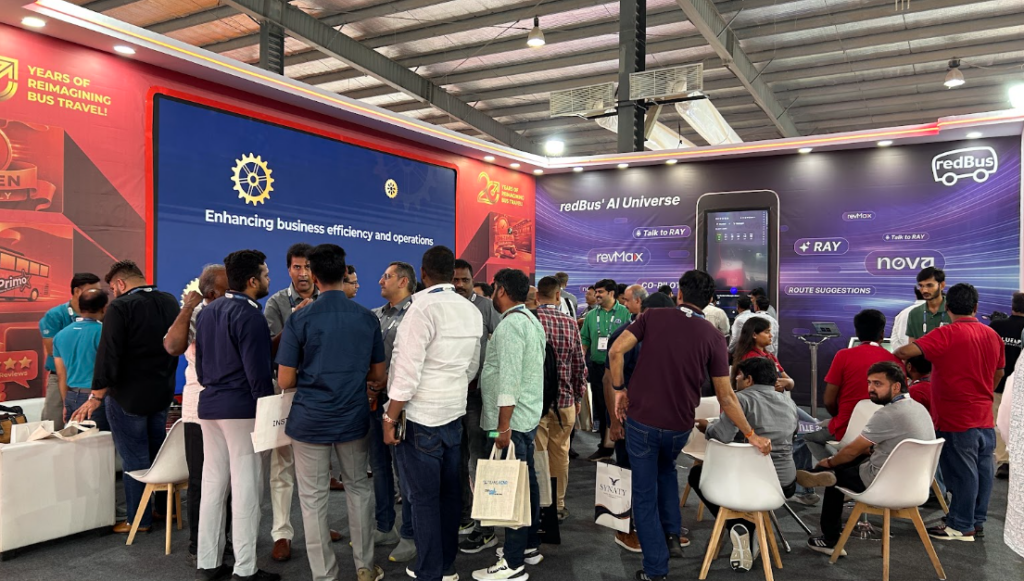
One of the key solutions showcased at the exhibition was RevMax, redBus’ dynamic pricing and yield management platform. While the solution has been available for some time, the company has enhanced its capabilities and introduced an interactive demonstration that allows operators to experience its value first-hand.
“We have enhanced our dynamic pricing solution, RevMax. Through an interactive gaming console, operators can actually compete against the pricing engine and see how AI can support dynamic pricing decisions” Manoj explained.
Another highlight was Route Suggestions, a feature available through RedPro, the operator-facing platform. By analysing travel demand and market data, the solution recommends routes based on travel demand and market data, estimated ticket prices, enabling operators to make informed decisions before deploying vehicles.
“The opportunity today extends well beyond metro and Tier-1 city connections. There is potential across Tier-2 and Tier-3 markets, and our Route Suggestions feature helps operators identify where they can profitably deploy their buses,” he said.
The company also demonstrated RAY, a multilingual AI-powered voice assistant that enables passengers to book tickets entirely through voice conversations. Designed to support multiple Indian languages, the solution allows users to interact naturally, switch languages during conversations and complete bookings without navigating a mobile application.
Complementing these offerings is NOVA, a curated B2B marketplace that connects bus operators with trusted suppliers of telematics, driver monitoring systems (DMS), IoT devices and other operational technologies.
According to Manoj, these solutions reflect redBus’ broader strategy of helping operators leverage technology to improve efficiency while responding to changing customer expectations.
Industry embracing digital transformation
Manoj believes India’s bus industry is undergoing a significant technological shift, driven by the need to balance customer satisfaction with sustainable profitability. “The market is evolving rapidly. Operators understand that they have to meet rising customer expectations while remaining profitable. Solutions such as yield management, AI and data science are no longer optional – they are becoming essential,” he observed.
While technology adoption varies across operators, he noted that the overall direction is clear. “There will always be early adopters and others who take more time. But operators clearly understand that if they stay away from AI, data science and technology, technology adoption is becoming increasingly important across the industry” he said.
Speaking about NOVA, Manoj stressed that the marketplace focuses on quality rather than the number of participating vendors. Instead of offering hundreds of options, redBus carefully curates established solution providers that operators can trust. “The operator trusts redBus to recommend reliable vendors. What matters is not how many suppliers are on the platform, but whether they have the credentials and capability to deliver quality solutions,” he remarked.
Future of intercity bus ecosystem
redBus is positioning itself as an ecosystem enabler. “We work to enable the ecosystem. We are not an OEM or an operator, but we can help bring together the right partners. We are working with ecosystem partners across areas” he stated.
Beyond electrification, he believes an area of continued focus will come from improving connectivity across underserved markets. “There is demand emerging from Tier-2, Tier-3 and even smaller markets where bus connectivity is still limited. The opportunity lies in helping operators identify these routes, generate demand and deploy services with confidence,” he said.
As operators increasingly rely on AI, analytics and digital tools to improve business performance, redBus is continuing to strengthen its portfolio of technology solutions that support better pricing, smarter route planning, easier procurement and enhanced customer engagement. Through these initiatives, the company continues to offer technology solutions that support bus operators to improve their businesses.