The journey of Rajeshree Translines Pvt. Ltd. is rooted in a steady evolution shaped by discipline, relationships, and a clear understanding of the logistics ecosystem. Founded in 2000 by Late Shri Jagdish Prashad Gaur under Rajeshree Enterprises / Rajeshree Transport Company, the business began at a time when the road transport sector was largely unorganized and dependent on fragmented capacity. Building reliability in such an environment was not easy, especially with fluctuating freight rates and limited control over fleet resources.

In those early years, consistency was the biggest challenge. Ensuring timely deliveries, maintaining service quality, and earning client trust required constant on-ground involvement. Over time, the company focused on strengthening operational discipline and prioritizing long-term relationships over short-term gains. This approach gradually helped build a stable foundation and a loyal client base.
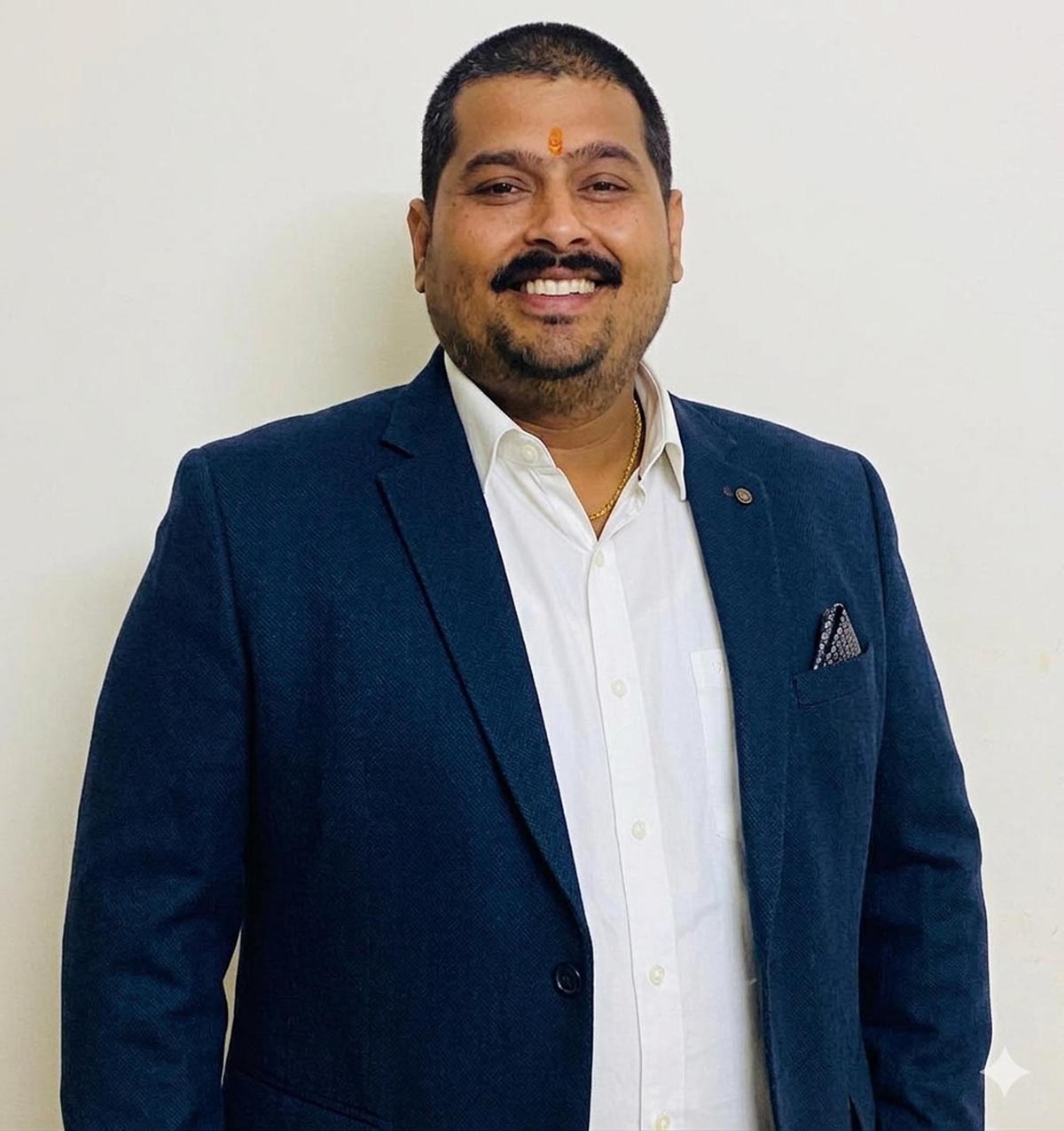
“With every phase of growth, our focus has remained simple; build trust through consistent execution and never compromise on service reliability. In logistics, relationships are built over years, not transactions,” says Mr. Deepak Gaur, Director, Rajeshree Translines Pvt. Ltd.
The formal incorporation of Rajeshree Translines Pvt. Ltd. in 2021 marked a significant shift. It brought structure, scalability, and a renewed focus on expanding beyond transportation. The integration of warehousing, C&F operations, and third-party logistics solutions enabled the company to move closer to becoming a comprehensive supply chain partner.
Building Scale Through Integrated Operations
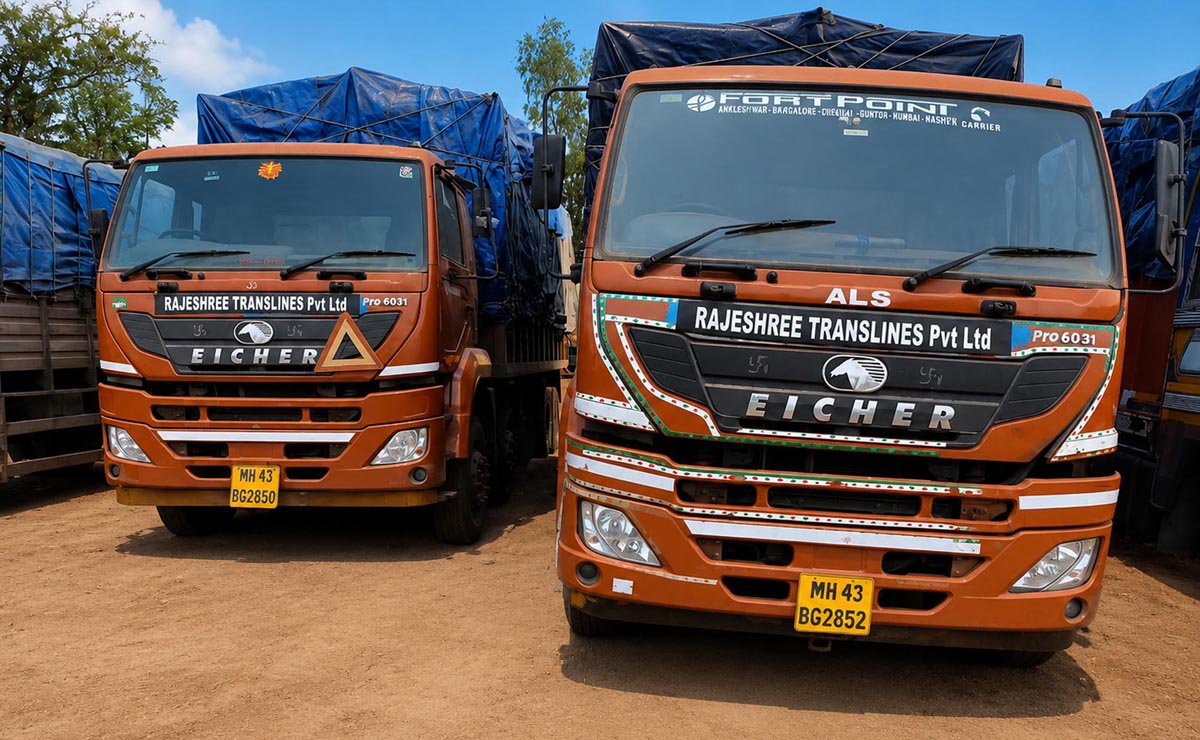
Today, Rajeshree Translines operates with a balanced and flexible model that combines road and rail logistics, warehousing, and distribution management. Its fleet strategy reflects a practical approach, blending owned vehicles with a strong network of attached fleet owners. This allows the company to scale capacity based on demand while maintaining operational control.
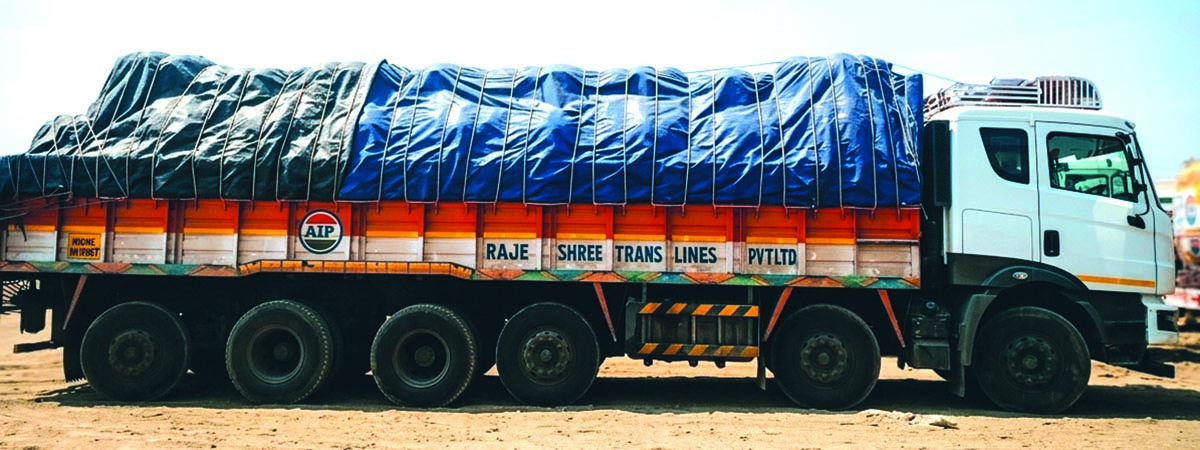
The fleet includes multi-axle trucks, trailers, and application-specific vehicles from leading OEMs, designed to handle varied cargo requirements. Instead of aggressive fleet expansion, the focus remains on utilization, route optimization, and preventive maintenance. This ensures reliability while keeping costs under control.
Rail logistics has also emerged as an important part of the company’s multimodal strategy. By enabling bulk movement through rail, Rajeshree Translines is able to offer cost-efficient and scalable solutions, particularly for high-volume industries. The company is also exploring investments in railway siding infrastructure, which will further strengthen its multimodal capabilities. “Our strategy is not about owning the largest fleet; it is about using the right mix of resources efficiently. Flexibility and utilization matter more than sheer numbers in today’s logistics environment,” he explains.
The company’s network spans key industrial and consumption hubs across the country, supporting industries such as cement, steel, chemicals, petrochemicals, polymers, fertilizers, mining, and coal. At the same time, it caters to fast-moving distribution sectors including FMCG, paints, tiles and ceramics, textiles, automobiles, and agri-commodities.
Understanding Diverse Customer Needs
One of the defining strengths of Rajeshree Translines is its ability to serve a wide spectrum of industries with varying logistics requirements. Each segment brings its own operational challenges, and the company has built its approach around understanding these nuances rather than applying a standard template.
Bulk industries such as cement, steel, and coal demand high-volume movement and cost efficiency. These sectors rely heavily on optimized routes and dependable turnaround times. On the other hand, FMCG and distribution-driven sectors require speed, precision, and strong last-mile connectivity.
Automotive and industrial clients add another layer of complexity, where scheduling discipline and cargo safety become critical. Rajeshree Translines addresses these needs by customizing solutions based on cargo type, movement patterns, and client priorities. “Every industry has a different expectation from logistics. Our role is to align our operations with those expectations rather than forcing a uniform model. That flexibility is what keeps us relevant across sectors,” he says.
While bulk and infrastructure-linked industries continue to form the backbone of the business, the company is witnessing steady growth in distribution-led sectors. This shift reflects the broader transformation of supply chains in India, where efficiency and predictability are becoming increasingly important.
Moving Beyond Transportation
As the logistics sector evolves, transportation alone is no longer sufficient to create long-term value. Recognizing this shift, Rajeshree Translines has expanded its capabilities to offer integrated supply chain solutions that go beyond the movement of goods.
The company’s services now include transportation, warehousing, C&F operations, and end-to-end logistics management. By combining these elements, it is able to offer clients a more seamless and efficient supply chain experience. The integration of road and rail further enhances this capability, enabling better cost and time optimization.
At Rajeshree Translines, the focus is not just on moving cargo, but on building reliable and scalable logistics ecosystems for clients. Collaboration has also become a key pillar of growth. Over the past year, the company has developed joint venture models with partners to deliver more comprehensive solutions. These partnerships allow Rajeshree Translines to extend its service capabilities while maintaining operational flexibility.
Another important area of focus is supporting MSME manufacturers. Through logistics consulting and dispatch planning, the company helps smaller businesses build structured and efficient systems that can scale with their growth. This approach not only supports MSME growth but also strengthens the overall supply chain ecosystem. “Logistics today is about enabling the entire supply chain, not just transporting goods. Whether it is a large enterprise or an MSME, the expectation is the same; reliability, visibility, and efficiency,” he notes.
The company has also established a presence in relocation and packers & movers services, expanding its capabilities to serve both institutional and individual movement requirements. “As the logistics landscape evolves, adaptability and operational discipline become critical. Our focus is on building systems that are not only efficient today but also scalable for the future. Consistency in execution and the ability to respond to changing market dynamics will define long-term success in this industry,” Mr. Kamal Gaur, Director, Rajeshree Translines Pvt. Ltd.
Growth Momentum and Future Direction
FY 2025–26 has been a period of steady progress for Rajeshree Translines. The company has focused on strengthening its operational framework, expanding its client base, and building a more integrated logistics model. The development of collaborative growth strategies, including joint ventures, has been one of the key highlights of the year.
The onboarding of new clients across sectors has further strengthened its market position and diversified its portfolio. At the same time, the company has continued to refine its internal processes to improve efficiency and service delivery.
Looking ahead to FY27, Rajeshree Translines has outlined clear priorities. These include strengthening multimodal logistics capabilities, particularly through railway siding infrastructure, expanding joint venture partnerships, and increasing the adoption of technology for better operational visibility.
Sustainability is also becoming an important focus area. The company is exploring opportunities in green and alternative fuel-based transportation solutions as part of its long-term vision. “Our ambition is to build a logistics model that is scalable, efficient, and future-ready. Growth will come, but it has to be disciplined and aligned with long-term value creation,” says Mr. Gaur.
Even as the industry continues to evolve, Rajeshree Translines remains committed to building a resilient, efficient, and future-ready logistics ecosystem; driven by trust, operational excellence, and long-term partnerships.