Driving EV adoption through profitable intercity operations, digital innovation and customer-first mobility.
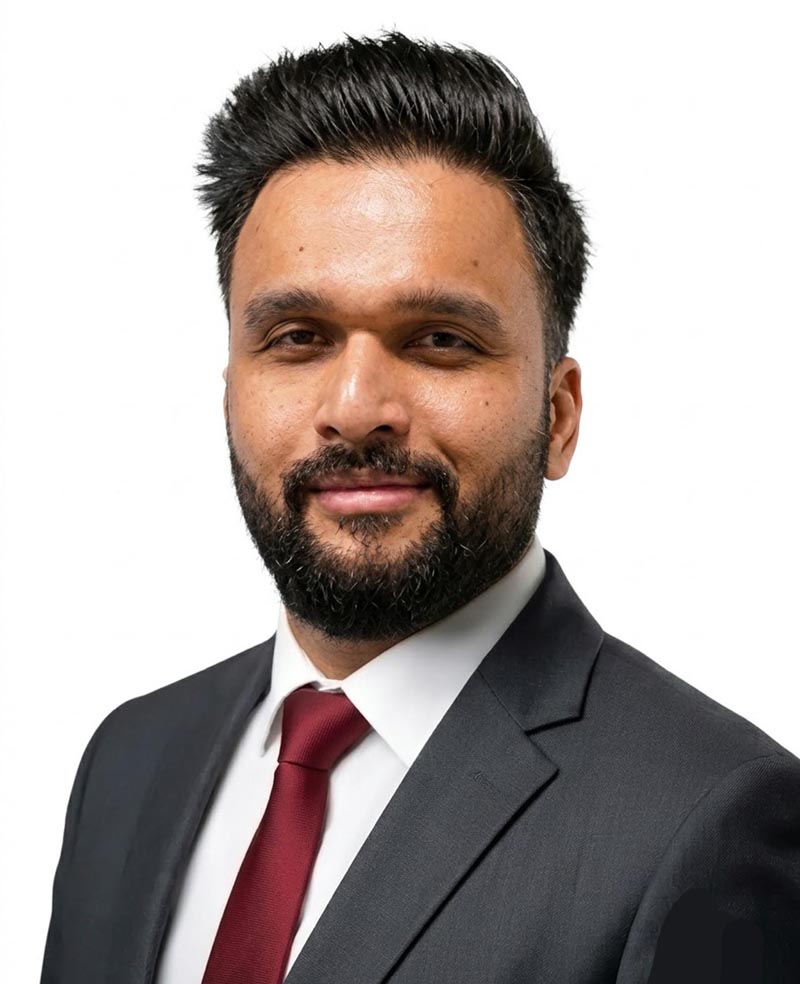
As India’s public mobility sector moves steadily towards a cleaner future, electric buses are expected to witness rapid adoption across applications where total cost of ownership (TCO) makes commercial sense. According to Mr. Saurabh Patwardhan, Director, Prasanna Purple Mobility, the next five years will see intercity and city bus operations emerge as the strongest growth drivers for electric mobility, supported by improving charging infrastructure, favourable economics and progressive government policies.
“Sustainable mobility will accelerate where the economics work, and intercity routes under 400 km will lead India’s electric bus transition,” said Mr. Patwardhan.
Intercity and City Buses to Drive EV Growth
Mr. Patwardhan believes nearly 60% of all new private intercity bus deployments on routes below 400 km could be electric by 2030. Strong TCO advantages, improving public charging infrastructure and state-level incentives are making electrification increasingly viable for these applications. He also expects city bus electrification to gather significant momentum through government initiatives such as PM e-Bus Sewa, with 40,000 to 50,000 electric city buses potentially operating across India by the end of the decade.
However, he pointed out that school and staff transportation will witness a slower transition. Lower monthly vehicle utilisation makes it difficult to recover the significantly higher upfront investment in electric buses. While some adoption will be driven by corporate sustainability commitments, widespread deployment will depend on further reductions in battery costs and continued technology advancements.
Mr. Patwardhan also believes the future will not be defined by a single powertrain. Battery-electric, hydrogen and next-generation battery chemistries will coexist, with different technologies serving different applications. “The shift away from conventional ICE vehicles is inevitable, but multiple sustainable technologies will complement each other rather than compete,” he shared.
Scaling Electric Operations and Digital Passenger Experience
Prasanna Purple Mobility has already begun preparing for this transition. After successfully deploying its first electric intercity coaches, the company plans to induct its first 100 electric buses within the next year. Partnerships with major leasing companies will further accelerate fleet expansion, enabling nearly half of its intercity fleet to become electric over the next two years.
The company is simultaneously investing in charging infrastructure, with EV depots being developed in Pune, Mumbai, Nagpur and Bengaluru, expanding to around 10 depots over the next two years.
Beyond fleet electrification, Prasanna Purple Mobility is enhancing customer experience through digital innovation. Alongside its mobile app, the company is introducing WhatsApp-based booking, customer support and feedback, QR code-enabled boarding, and a comprehensive loyalty programme with over one lakh members. Mr. Patwardhan noted that future mobility will be defined not only by cleaner vehicles but also by seamless, technology-enabled passenger experiences that encourage greater customer loyalty and repeat travel.
“Sustainable mobility will accelerate where the economics work, and intercity routes under 400 km will lead India’s electric bus transition.”