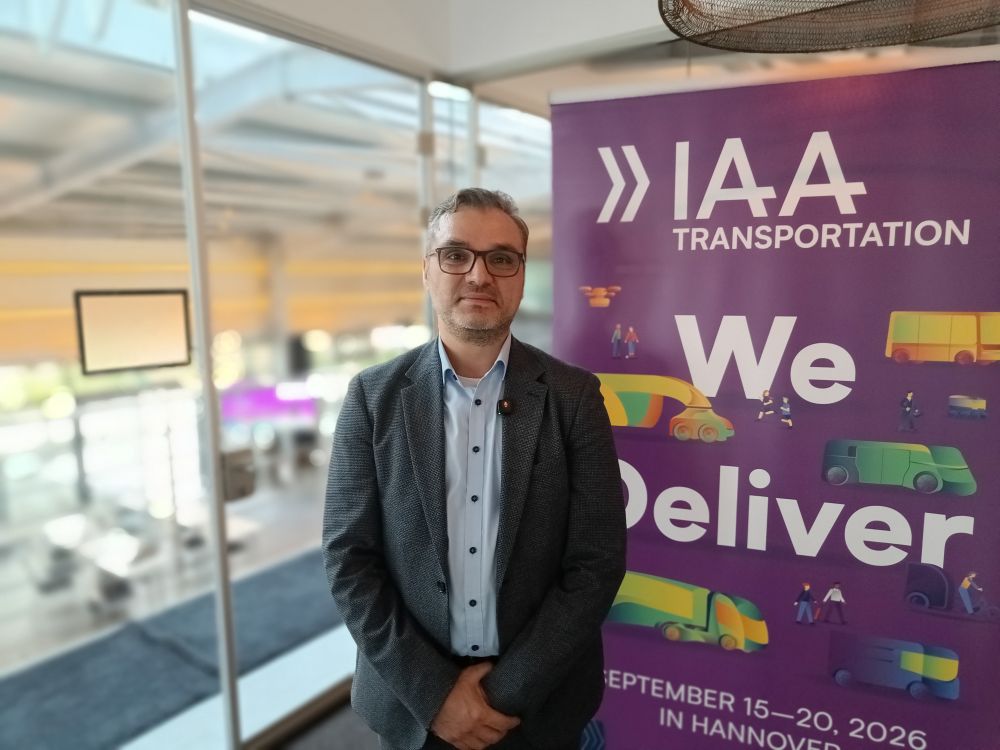
The commercial vehicle industry is entering one of the most significant periods of transformation in its history, driven by evolving regulations, changing customer expectations, urban logistics challenges and the growing need to improve operational efficiency while reducing environmental impact. Speaking at the IAA Transportation Media Summit 2026, Erhan Eren, Director – PBV at Kia Europe, outlined how the company is addressing these challenges through an integrated mobility ecosystem built around its Purpose-Built Vehicle (PBV) strategy.
“The transition to sustainable mobility is not simply about replacing diesel vehicles with electric ones. It is about helping businesses manage the growing complexity of their operations in a practical and efficient way,” Eren said.
Beyond Electric Vehicles
According to Eren, fleet operators today face a far broader set of considerations than vehicle electrification alone. Charging infrastructure, payload capacity, driver requirements, service support, operating costs and vehicle uptime have all become critical factors in purchasing decisions.
He noted that the real challenge lies in balancing these multiple operational requirements without compromising productivity or profitability. As mobility ecosystems become increasingly complex, businesses require solutions that simplify operations rather than add new layers of management.
To address this, Kia has adopted an ecosystem-based approach that combines purpose-built electric vehicles with fleet management software, charging solutions, connected services and vehicle conversion capabilities into a single integrated platform. The objective is to enable customers to manage their fleets more efficiently while reducing the operational burden associated with multiple mobility solutions.
“Customers are looking for complete mobility solutions, not standalone vehicles. Our goal is to simplify fleet operations through an integrated ecosystem.”
PBV Strategy Built Around Customer Needs
A major focus of Eren’s presentation was Kia’s Purpose-Built Vehicle strategy, which has been developed specifically around the operational needs of businesses.
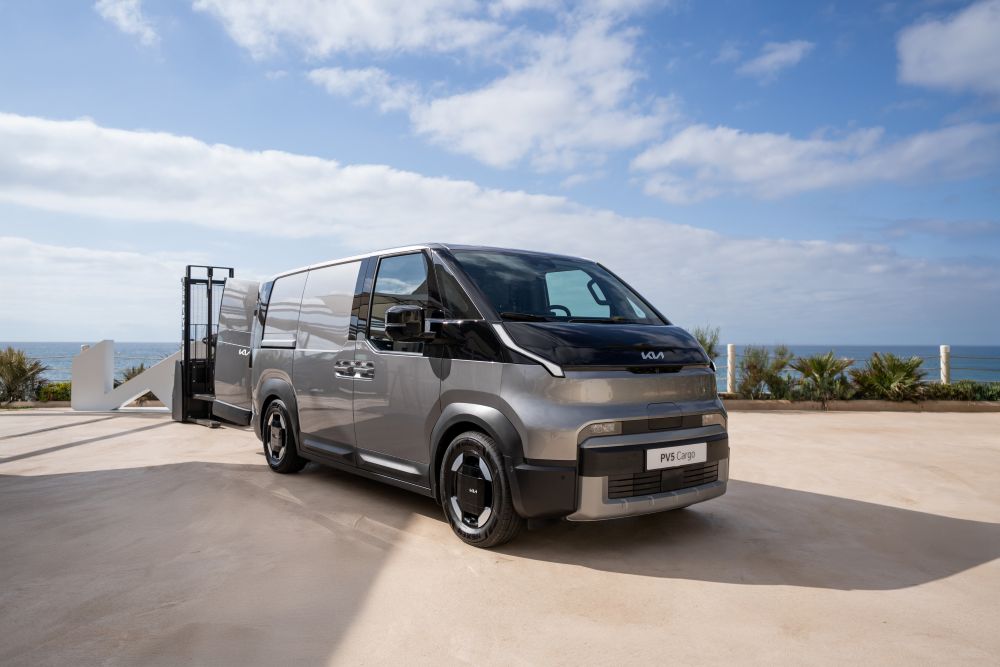
He explained that the PBV platform has been designed to address key market challenges, including increasing operational complexity, rising congestion costs, sustainability requirements and the growing diversity of customer applications. Rather than offering a one-size-fits-all solution, the platform enables greater flexibility across a wide range of urban logistics and commercial transport requirements.
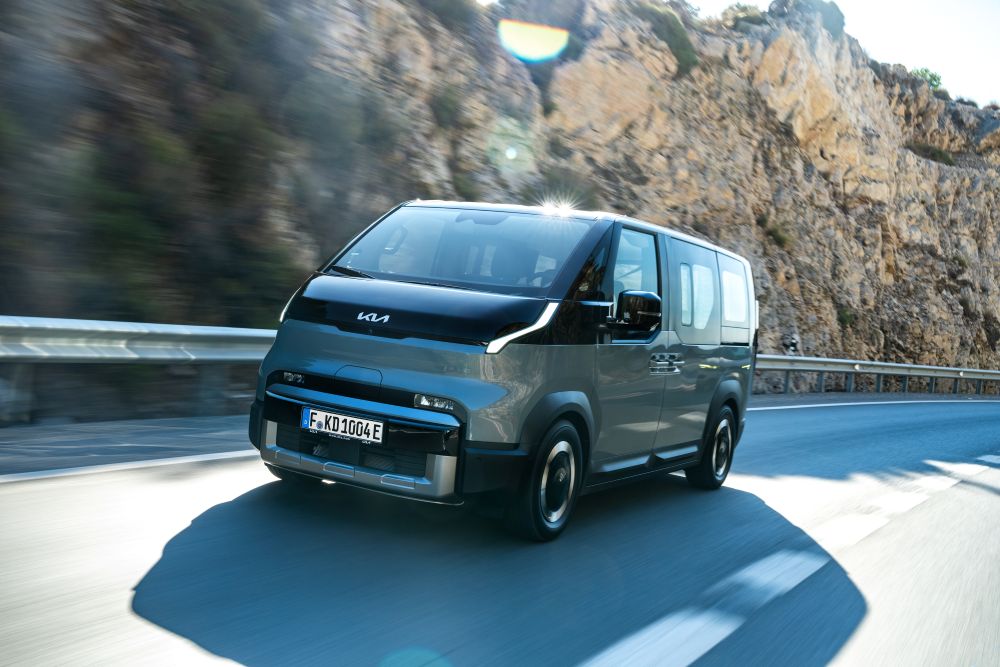
Highlighting the Kia PV5, Eren revealed that the vehicle recently completed a fully loaded 24-hour endurance drive covering 693.38 km. While such achievements often attract attention for setting records, he emphasised that the exercise was intended primarily to validate the vehicle’s durability and reliability under real-world operating conditions.
The PV5 has also received significant market recognition, winning the 2026 International Design Van of the Year award. Kia has already secured customer agreements with Foodora in Sweden and Belgium, reflecting growing confidence in the company’s PBV offering.
“The real value of endurance testing lies in proving reliability under actual operating conditions. That is what matters most to commercial vehicle customers,” Eren observed.
Flexible Platform for the Future
Designed with versatility at its core, the PV5 is available in multiple configurations to cater to diverse urban mobility and commercial applications. It is supported by a flexible body system based on a modular assembly concept, enabling easier vehicle conversions while helping customers optimise total cost of ownership.
Concluding his address, Eren said that despite the rapid pace of change across the mobility landscape, fleet operators continue to prioritise dependable, practical solutions that deliver everyday value. Kia’s vision, he noted, is to create a connected, flexible and customer-centric mobility ecosystem, with the PBV platform representing the first step in a much broader transformation.
“Mobility will continue to evolve, but customers will always need reliable solutions that deliver value every day. Our PBV journey is only the beginning.”