Infrastructure growth, alternate fuels and connected fleet technologies will redefine the commercial vehicle market, while digital customer engagement and proactive service will shape the future of dealership operations.
India’s commercial vehicle industry is entering a high-growth phase, supported by strong infrastructure investments, rising freight demand and rapid technological advancements. With expanding highways, ports, airports and industrial corridors creating new business opportunities, dealerships will play a much larger role in helping customers maximise vehicle productivity throughout the ownership lifecycle.
“The future dealership will not simply sell vehicles. It will create a connected ownership experience through digital platforms, proactive service and highly skilled manpower.”
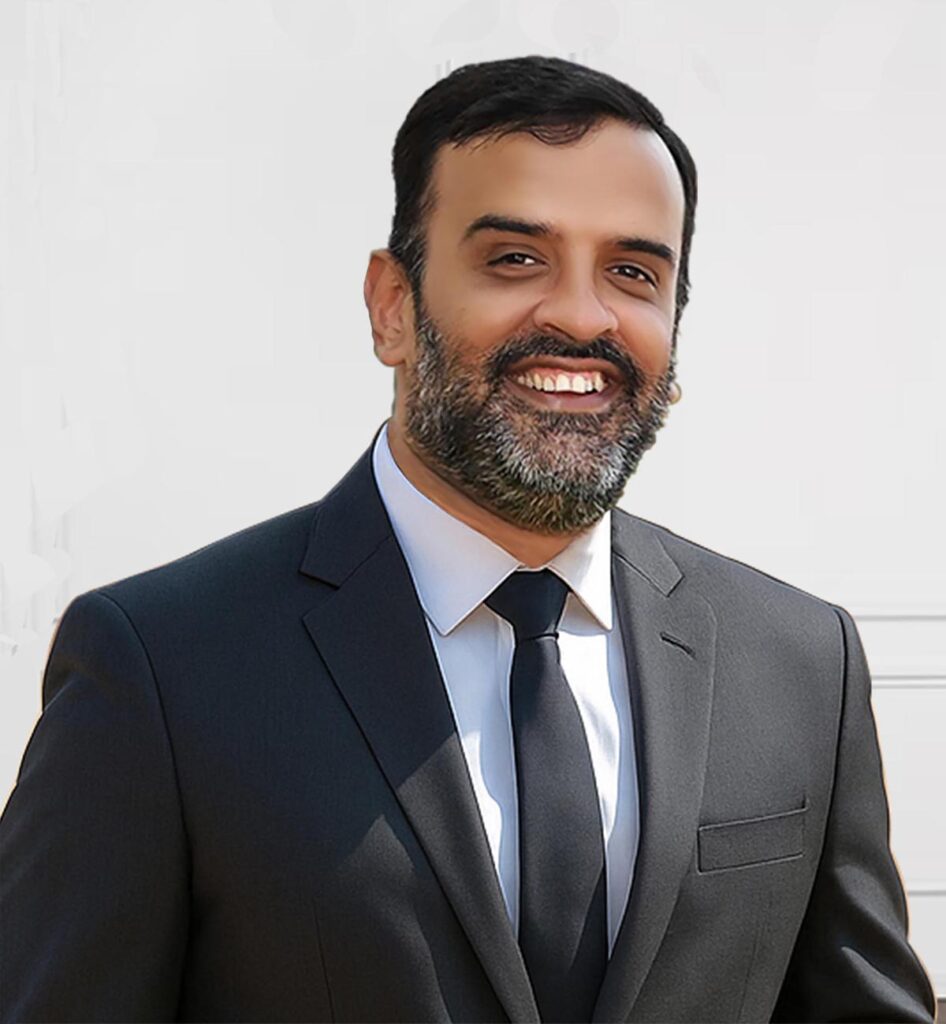
Mr. Tejpal Ailsinghani, Managing Director, Kamal Motors, believes the commercial vehicle sector is poised for robust growth through 2030. He expects infrastructure development, the continued expansion of e-commerce and increasing demand for refrigerated transportation across pharmaceuticals, agriculture, seafood and food products to remain major demand drivers. New development zones across the Mumbai Metropolitan Region, including Raigad and Palghar, along with upcoming airports and seaports, are expected to create significant opportunities for commercial vehicle sales. He also pointed to the government’s strengthened vehicle scrappage policy and growing adoption of alternate fuel technologies, including electric and flex-fuel vehicles, as important catalysts for the industry’s next phase of growth.
According to Mr. Ailsinghani, connected technologies are becoming equally important in enhancing fleet productivity and customer confidence. OEM-backed Annual Maintenance Contracts (AMC), Fleet Management Services (FMS) and digital platforms such as Tata Motors Fleet Edge are helping fleet operators monitor vehicle health, analyse driver productivity, reduce operating costs and improve overall fleet utilisation through real-time insights.
“Customers are becoming increasingly informed before entering the dealership. Our responsibility is to validate their choices, guide them with the right solutions and deliver an outstanding ownership experience,” shared Mr. Ailsinghani.
To prepare for this transformation, Kamal Motors has invested in strategically located showrooms and large, modern workshops across Mumbai, South Gujarat and Goa. The company has also established dedicated Customer Success Centres that proactively monitor vehicle fault codes, preventive maintenance schedules and service requirements, enabling customers to maximise uptime through timely intervention.
Looking ahead, Mr. Ailsinghani expects commercial vehicle dealerships to become fully digital, with every stage of the sales and aftersales journey integrated through connected platforms. He believes Tata Motors Fleet Verse will further simplify vehicle selection, financing, value-added services and digital booking, allowing customers to make informed purchasing decisions with greater convenience. Alongside these digital initiatives, Kamal Motors continues to invest heavily in continuous training for both sales consultants and workshop technicians, ensuring they remain well-equipped to support emerging vehicle technologies while delivering faster turnaround times and superior customer satisfaction.
The future dealership will create a connected ownership experience through digital platforms, proactive service and highly skilled manpower.