The ongoing disruption in the Strait of Hormuz has moved beyond a geopolitical headline to become a full-blown operational crisis for global logistics. For Triton Logistics & Maritime Pvt. Ltd., a key player under the Abrao Group, the impact is visible in real time across vessel movements, freight pricing, and supply chain strategies. As tensions escalate and global shipping lines recalibrate routes, Indian trade is being forced into rapid and often costly adjustments.
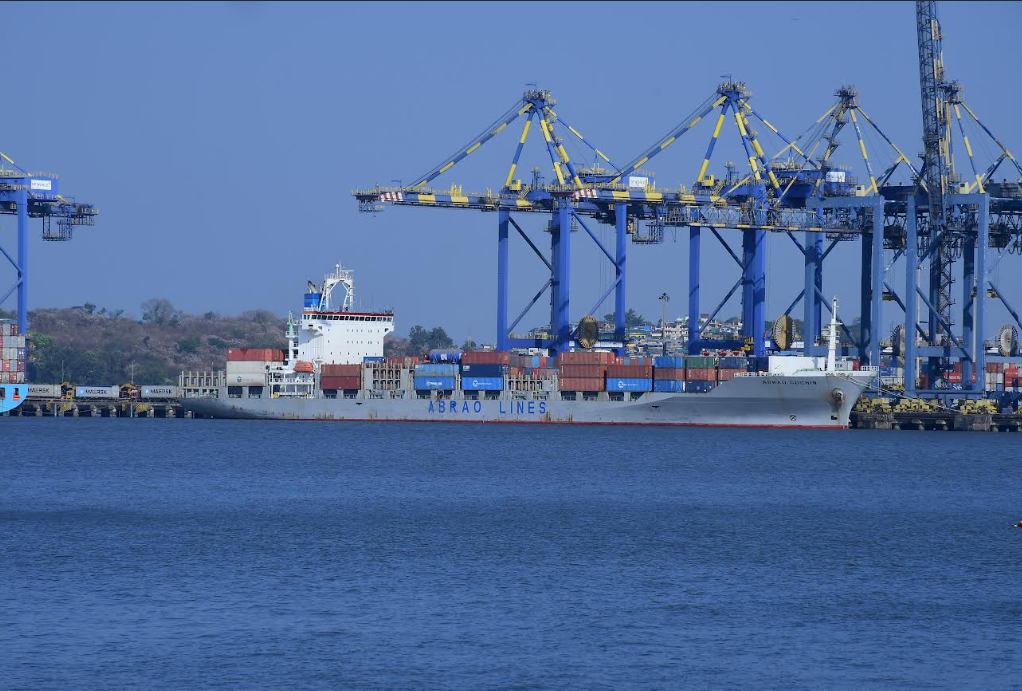
Triton, with its diversified portfolio across air, sea, land logistics, warehousing, and project cargo, is witnessing a structural shift in how cargo moves across critical corridors. The near-closure of the Strait has led to a collapse in vessel transits, with daily movement dropping by over 90% as major global carriers suspend operations through the region. This has triggered the emergence of an alternative “Land Bridge” model, where cargo is routed through regional ports before being transported overland into key Gulf markets.
Mr. Jitendra Srivastava, CEO of Triton Logistics & Maritime, highlights the scale of disruption and adaptation underway. “What we are seeing is not a temporary dislocation but a structural reset of trade routes; the Strait’s disruption has forced the industry to rethink how cargo flows across the Gulf. The Land Bridge is effective but comes at a significant cost and complexity.”

This workaround, while ensuring continuity, has introduced new inefficiencies. Cargo is now being diverted through ports such as Port of Sohar and Port of Salalah, as well as Port of Jeddah, before moving by road across the Arabian Peninsula. Trucking surcharges alone have added $1,500 to $2,200 per container, while freight rates on India-Gulf routes have surged by 300% to 500%. Insurance premiums have become increasingly volatile, with global protection and indemnity providers tightening coverage in high-risk zones.
Energy Pressures and Sectoral Impact
“For Indian exporters and importers, the biggest shift is in mindset; companies are moving from just-in-time to just-in-case inventory planning. This means higher working capital, longer cycles, and a stronger focus on supply chain resilience over cost efficiency,” says Mr. Srivastava. Many businesses have already extended inventory cycles closer to three weeks while exploring alternate transshipment nodes to reduce exposure to conflict-prone routes.
The implications extend far beyond logistics into India’s broader economic and energy framework. The Strait of Hormuz has traditionally carried nearly half of India’s crude oil and a significant share of LNG imports. With Brent crude hovering between $110 and $115 per barrel in recent weeks, the government has accelerated diversification, increasing sourcing from the Atlantic Basin including the United States, Brazil, and Russia. However, vulnerabilities remain, particularly in LPG supplies where buffer stocks are limited.
Mr. Srivastava explains, “Energy supply chains are under immense pressure; while crude diversification is underway, LPG remains a concern due to limited reserves. This imbalance is already cascading into higher costs for industries and consumers alike.” However, the most acute vulnerability lies in LPG, where India maintains a thin strategic buffer of approximately 18 to 22 days, leaving very little room to absorb prolonged disruption.
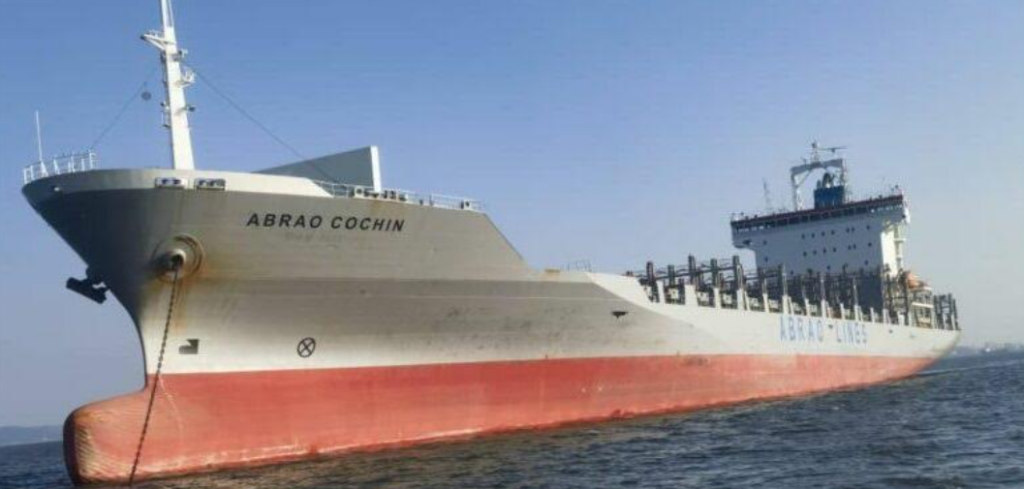
To safeguard supply for nearly 33 crore households, the government has invoked the Natural Gas (Supply Regulation) Order, 2026, prioritising domestic consumption and fertiliser production over industrial use. This has triggered a pronounced feedstock squeeze across energy-intensive sectors such as petrochemicals, glass, and steel, many of which are currently operating with gas allocations reduced to nearly 70%, forcing difficult trade-offs between output and cost.
The impact is now cascading across the broader economy. Aviation Turbine Fuel (ATF) prices have risen by nearly 25% in recent weeks, compelling Indian carriers to introduce fuel surcharges and pass on increased costs to consumers. This escalation is also feeding into air cargo rates, adding further pressure on time-sensitive logistics. At a macro level, these combined stresses are contributing to sustained depreciation pressure on the Indian Rupee, amplifying the overall cost burden on trade and industry.
Mr. Srivastava adds, “What we are witnessing is a cascading effect; energy, logistics, and trade are now tightly interlinked under stress. For businesses, especially MSMEs and exporters, this is not just about higher costs but about maintaining continuity in an increasingly volatile environment.”
Looking ahead, the next 30 to 60 days remain uncertain and heavily dependent on geopolitical developments. “The future will not rely on a single route or hub; businesses must adopt hub diversification and distribute inventory across multiple nodes. This is the only way to mitigate the risks of such geopolitical chokepoints,” concludes Mr. Srivastava. As the crisis continues to evolve, resilience, flexibility, and strategic planning are fast becoming the defining pillars of India’s logistics and trade ecosystem.