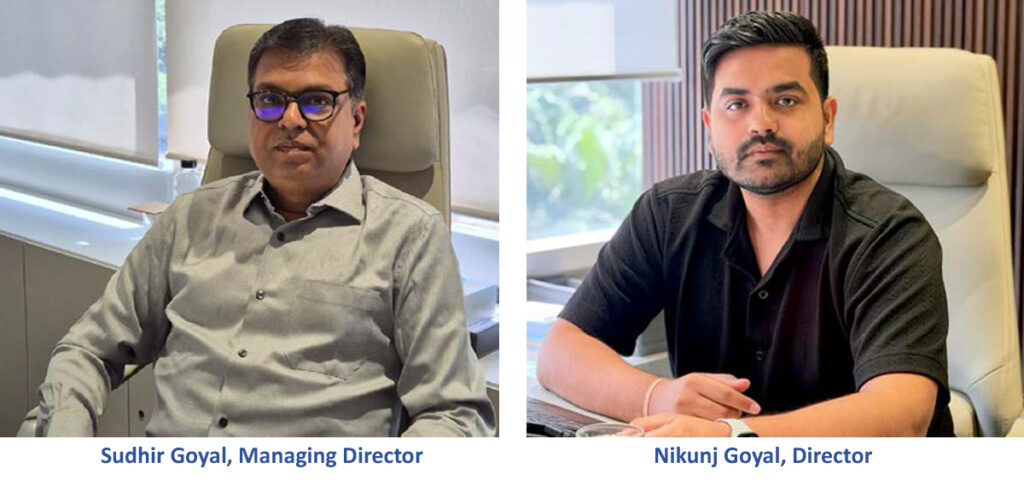
Established in 1980, GEETEE Carriers has been guided by Managing Director Sudhir Goyal, who took charge of the company’s business and growth in 1985. Today, GEETEE Carriers is preparing for its next phase of growth by combining more than four decades of transportation experience with digitalisation, artificial intelligence (AI) and specialised logistics. With approximately 96% of its processes digitalised and more than 100 company-owned vehicles, the company is strengthening its capabilities to serve India’s evolving industrial and infrastructure requirements.
Its strategy extends beyond conventional road transportation. Alongside full truckload (FTL), less-than-truckload (LTL) and container movements, GEETEE is developing capabilities in air-suspension transportation, over-dimensional cargo (ODC), project logistics and time-sensitive deliveries. Emerging opportunities in data centres, electronics, semiconductor infrastructure, renewable energy and advanced manufacturing are also shaping its direction.
“Our vision is to build an integrated, specialised and technology-driven logistics organisation while remaining grounded in the trust and experience developed since 1980. Growth is not just about moving more cargo; it is about solving complex customer requirements through reliability, visibility and intelligent execution,” says Mr. Nikunj Goyal, Director, GEETEE Carriers Pvt. Ltd.
Expanding Beyond Conventional Transportation
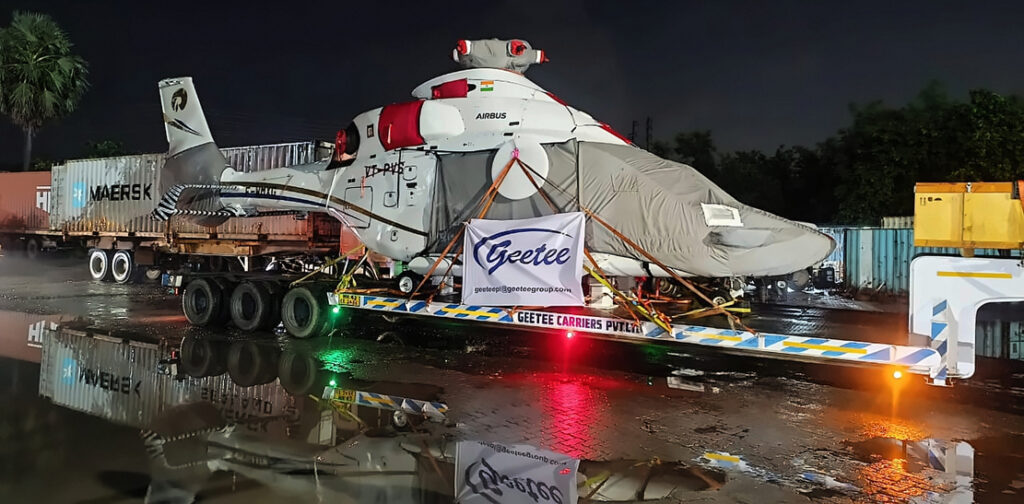
GEETEE’s service portfolio spans FTL and LTL, container transportation, air-suspension vehicles, ODC, smaller over-dimensional cargo (SODC), specialised movements and project logistics. These services address different shipment sizes and handling requirements, from routine industrial distribution to equipment requiring careful planning and specialised transportation arrangements.
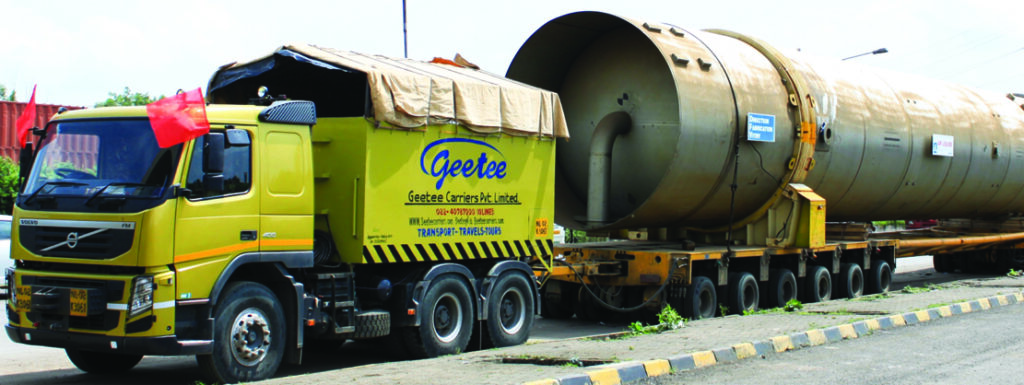
Specialised cargo demands preparation around vehicle suitability, cargo dimensions and weight, loading plans, route assessments, permits where applicable, and coordination at delivery sites. Air-suspension vehicles can help reduce vibration transmitted to sensitive equipment, while oversized and heavy consignments require attention to axle capacity, weight distribution, route accessibility and unloading arrangements.
“The market is becoming more specialised, and customers increasingly expect the right equipment and a dependable transportation plan, rather than simply a truck at a quoted rate. We are strengthening our core services while developing capabilities in areas where planning, safety and execution can deliver greater value,” Nikunj says.
Express Logistics and Multimodal Connectivity
Through GEETEE Express Logistics LLP, the company is developing an integrated offering covering domestic air movement, rail freight, FTL, LTL and other time-sensitive transportation requirements. The objective is to give customers access to multiple transportation modes through a single service partner, with recommendations based on shipment urgency, cargo characteristics, route suitability and cost.
Express logistics is particularly relevant to businesses operating with tighter production schedules, shorter delivery windows and increasingly demanding supply-chain commitments. Beyond faster movement, customers need predictable transit times, shipment updates, proactive exception management and clear communication when disruptions occur.
“We see express logistics as an opportunity to bring greater flexibility and coordination to customers. Our objective is to assess each shipment’s urgency and economics, identify a suitable transportation mode and provide dependable communication throughout the journey,” says Nikunj. The company sees potential among industrial, engineering, electronics and technology businesses, where logistics performance can directly influence operational continuity.
Digitalisation and Artificial Intelligence
Technology is central to GEETEE’s operating model. The company estimates that approximately 96% of its processes are digitalised, supporting operational visibility, workflow efficiency and data-driven decision-making. Its focus areas include fleet management, shipment monitoring, billing, employee performance and operational analysis.
AI offers further opportunities in fleet allocation, operational planning, performance analysis and resource utilisation. By analysing available operational data, logistics businesses can work towards identifying inefficiencies, improving vehicle deployment and responding more quickly to emerging issues. The effectiveness of these applications depends on data quality, system integration and their adoption by operational teams.
“Digitalisation should do more than replace paperwork. We want data and AI to help us understand operations better, use resources more effectively and respond earlier when something needs attention. The objective is to build a proactive and scalable business, supported by people who understand transportation,” Nikunj explains.
Serving India’s Emerging Industrial Sectors
GEETEE’s established strengths lie in industrial and manufacturing logistics. Looking ahead, the company is exploring opportunities linked to data centres, semiconductor-related infrastructure, electronics, renewable energy and capital equipment. Investments in these sectors can create demand for specialised transportation, particularly where cargo sensitivity, project schedules and site-specific requirements demand careful coordination.
Data-centre projects, for instance, may involve the movement of servers, racks, electrical systems and other sensitive equipment. Such consignments can require suitable vehicles, protective packaging, careful loading and unloading, and coordination with installation teams. ODC and heavy-equipment movements may additionally require route surveys, regulatory permissions and arrangements for safe delivery at the destination.
“Our approach is to develop capabilities in line with customer requirements. Sensitive and project cargo needs the right equipment, trained people and careful coordination at every stage. We want to build long-term customer partnerships by delivering consistently, rather than competing on transportation price alone,” says Nikunj.
Fleet Capabilities and Operational Reliability
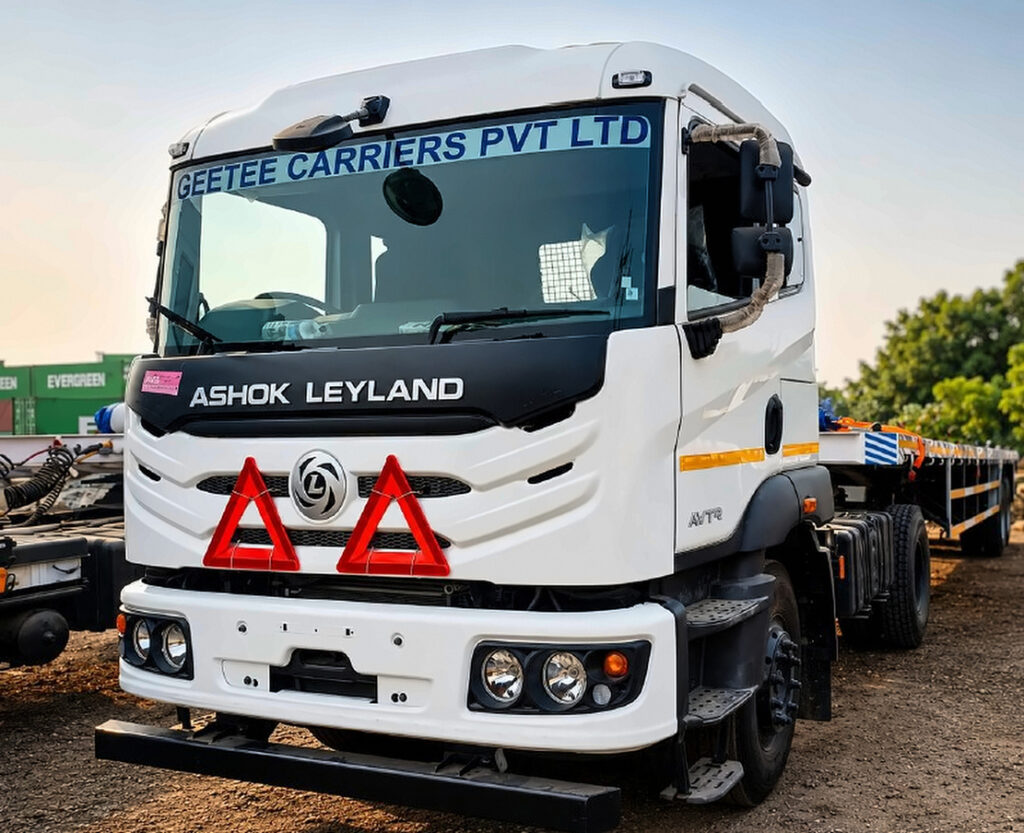
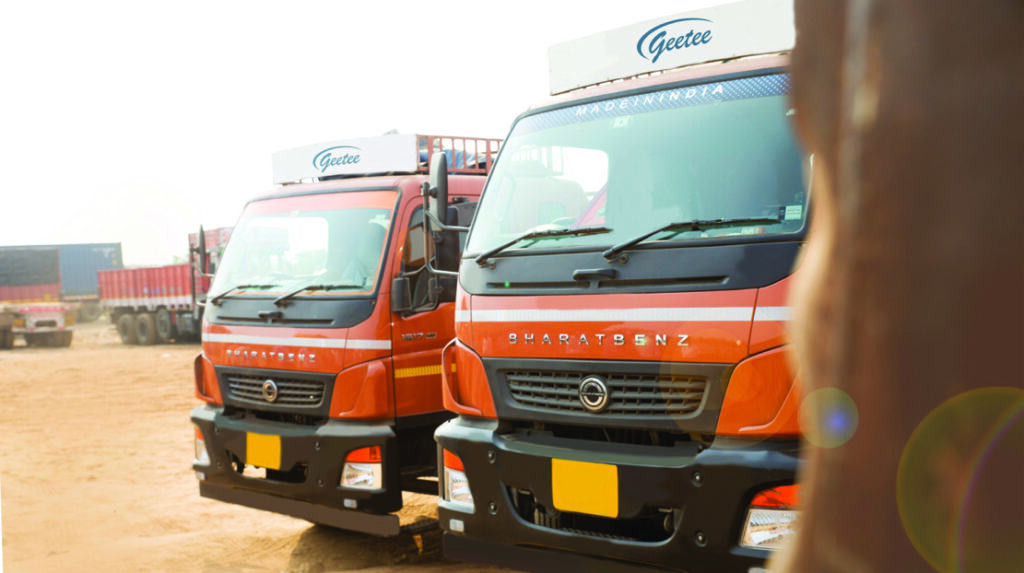
GEETEE operates more than 100 company-owned vehicles across configurations including open vehicles, closed-body vehicles, trailers and air-suspension vehicles. This fleet provides a foundation for addressing diverse industrial transportation requirements, from conventional freight movements to sensitive equipment and specialised project cargo.
Vehicle utilisation, driver availability, fuel expenses, route conditions and loading or unloading delays remain important operational considerations across the logistics industry. Managing these variables requires coordination between operations teams, drivers, transport partners and customers. Digital tools can improve visibility and accountability, while experienced personnel remain essential for managing exceptions and maintaining service commitments.
The company sees fleet capability and technology as complementary strengths. Appropriate vehicle selection, preventive maintenance, better planning and improved resource allocation can contribute to cargo safety, turnaround times and delivery reliability. For specialised movements, these measures must be supported by suitable handling procedures and compliance with applicable transport regulations.
Efficiency and Sustainability in Transportation
Sustainability is becoming an increasingly important consideration for transport operators, with operational efficiency offering practical opportunities to reduce both costs and environmental impact. Better route planning, reduced empty running, improved load utilisation and preventive maintenance can help limit unnecessary fuel consumption while making fleet operations more productive.
GEETEE is also monitoring developments in alternative fuels and lower-emission vehicle technologies. Their adoption depends on factors including vehicle availability, supporting infrastructure, route suitability, total cost of ownership and customer requirements. For a diversified transportation business, the transition is likely to require a practical assessment of the economics and operating conditions associated with different technologies.
The company’s immediate emphasis remains on improving efficiency through operational discipline and digitalisation. Better information on fleet utilisation and performance can help identify avoidable movements and improve planning. These measures can support commercial sustainability while preparing the business to respond to evolving customer expectations and transportation technologies.
A Focused Roadmap for Future Growth
In the near to medium term, GEETEE intends to strengthen its specialised transportation and project logistics capabilities, develop its multimodal express offering and pursue opportunities in emerging industrial sectors. The company will also evaluate fleet expansion, geographical reach and strategic partnerships in line with customer demand and its ability to maintain service standards.
Technology will remain an important enabler of this strategy. Building on its digitalised processes, GEETEE aims to improve operational intelligence, resource utilisation and customer experience. Its broader ambition is to combine established transportation expertise with a more connected and responsive operating model, allowing it to address increasingly complex logistics requirements.
“Having operated since 1980, we understand that sustainable growth is built on trust, consistency and the ability to adapt. Our next chapter is about combining that legacy with specialised expertise and intelligent operations, enabling us to serve India’s changing logistics requirements with confidence,” Nikunj concludes.