Meta Materials Circular Markets (MMCM), an Indian circular economy platform, has issued the world’s first carbon credits from the recycling of end-of-life vehicles. The announcement was made at COP31 in Turkey, in partnership with CerCarbono.
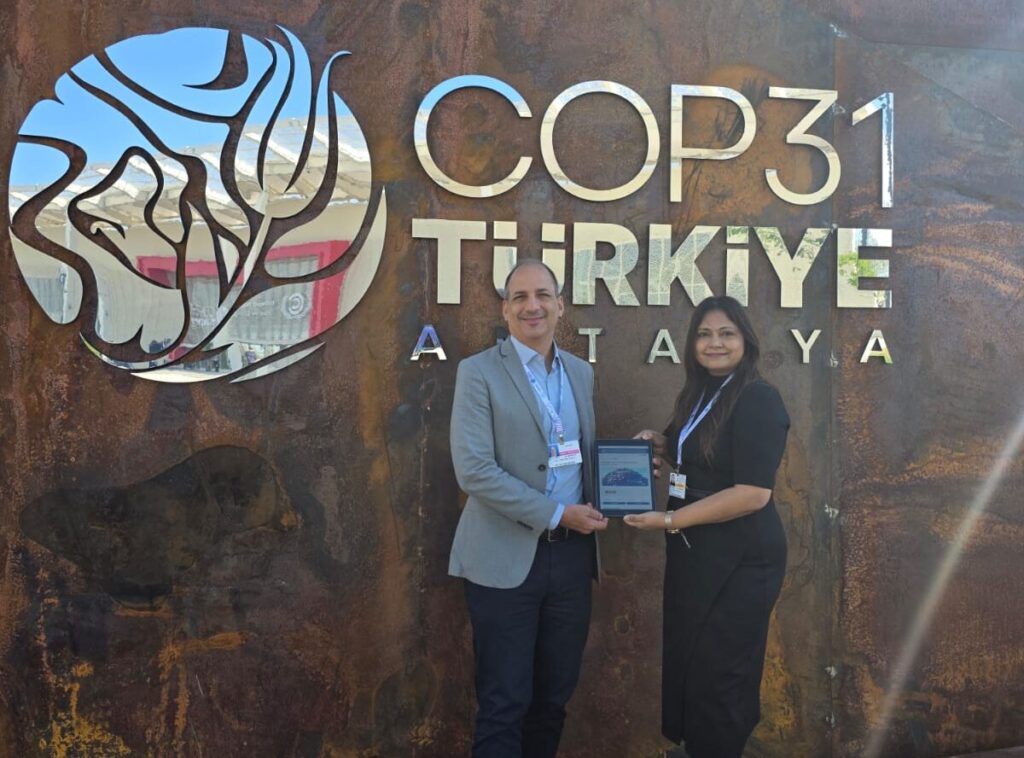
The first project covers 20 Registered Vehicle Scrapping Facilities (RVSFs) across India. A total of 24,988 carbon credits have been issued under it.
MMCM developed the programme over two years. It uses a method designed specifically for scrapped vehicles to measure the emissions avoided when materials from old vehicles are recovered and recycled instead of new materials being produced. The method sets a baseline, measures eligible recycling and includes checks against double counting. The programme runs under the CerCarbono standard.
The credits give registered scrapping facilities a new source of income and reward them for using the formal recycling route. MMCM says this strengthens the case for moving more of India’s vehicle dismantling into a regulated and traceable system. This comes as India prepares to retire old vehicles on a large scale.
The programme also gives carmakers and corporate buyers a new type of carbon credit linked to vehicle recycling. Digital monitoring and verification systems track activity at each facility, so buyers can see the recycling work and emissions cuts behind each credit.
Mr. Nitin Chitkara, CEO of MMCM, said the issuance brings the environmental value of vehicle recycling into carbon markets. He said the model could encourage more responsible recycling and open “a new category of circularity-linked carbon credits” for buyers around the world.
Ms. Poorvi Joshi Shenoy, AVP (Carbon Business) at MMCM, called it a proud moment for a framework built in India to set a global benchmark. She said it opens new ways for the automotive sector to take part in climate finance.
MMCM works with a wider network of more than 40 authorised scrapping facilities in India, including those linked to Mahindra CERO, TVS and Tata Re.Wi.Re. It plans to expand the programme across this network. The company estimates the programme could cut about 0.5 million tonnes of CO₂e emissions by 2030.
India has committed to reaching net-zero emissions by 2070. It is also building policies for a circular, low-carbon economy, including the Carbon Credit Trading Scheme that supports its domestic carbon market.