As the automotive world transforms, ZF Group’s Mission 2030 puts India at the centre of the story — positioning it as both a strategic market and a global hub for value creation, while shaping the future of mobility, says Mr. Akash Passey, President of ZF Group India.
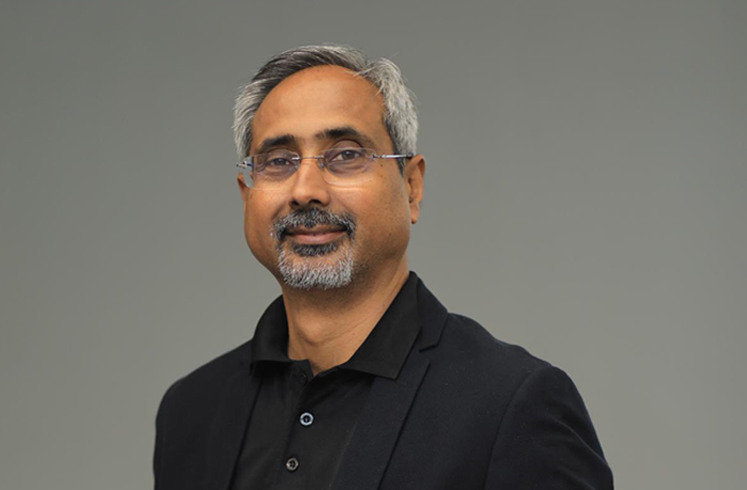
This is the decade of India! The automotive and commercial mobility industry is entering its most transformative decades. While the business in immediate term will continue to be influenced by geopolitical uncertainties, supply-chain realignments, trade dynamics, and regional manufacturing strategies, for India, the long-term direction for the auto industry is exciting and full of opportunity, Mr. Passey said.
The road to 2030 won’t be a single highway. Petrol, hybrid, and electric vehicles will share India’s roads for years, while software becomes the real engine of progress — making vehicles smarter, safer, and easier to maintain. India is turning into a global hub, trusted not just to manufacture but to engineer and export.
Sustainability reshapes everything quietly, from factories to materials. The winners will balance all four. With a stable economy, growing market, strong engineering capabilities, and manufacturing competitiveness, India is well positioned to shape the future of global mobility, Mr. Passey mentioned.
Ahead of the Curve
“India is already one of ZF’s fastest-growing markets globally, and we continue to build on the regional capabilities based on local manufacturing, local engineering, local sourcing, and local talent. Today, ZF Group operates 17 manufacturing facilities in India, 12 engineering centers and employs around 16,000 people,” he said.
Built on globally trusted braking and transmission systems, the company is now expanding into engineering and digital solutions — powering electric buses, trucks, ADAS, low-floor electric axles, and connected vehicle technology — shaping how vehicles will think, move, and evolve.
“Our ambition of sourcing from India for domestic and global markets is for about € 2.5 billion by 2030, and we are already moving ahead with our suppliers on how we can enable this growth. For me in India, the focus will be also on localisation. Through our ‘Make in India for India and the World’ approach, we continue to strengthen our sourcing, empower the local supply chains making them more resilient to the geopolitical shocks, and on build globally competitive manufacturing capabilities that increasingly serve local markets and are addressing requirements across borders,” he added.
“In India, the commercial vehicle industry is entering a period of unprecedented transformation driven by electrification, digitalisation, advanced safety systems, and increasing demands for efficiency and sustainability.”