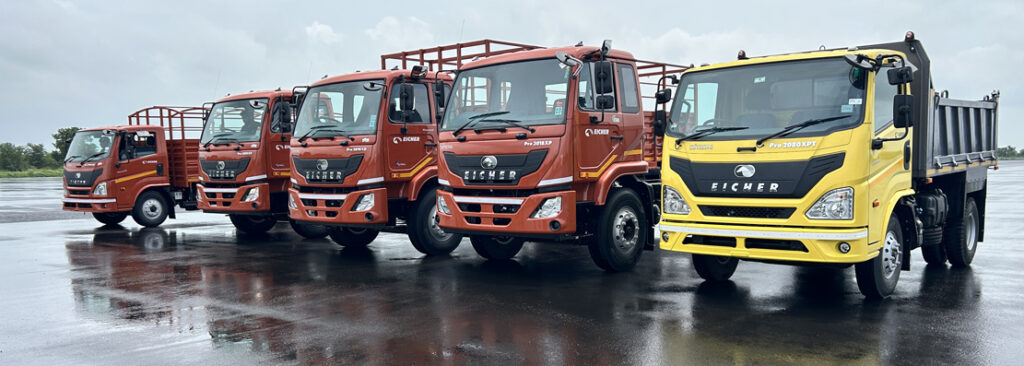
From predictive alerts and GenAI-enabled diagnostics to fleet advisory dashboards, Eicher is connecting service teams, parts and customer data to improve vehicle availability and operating efficiency
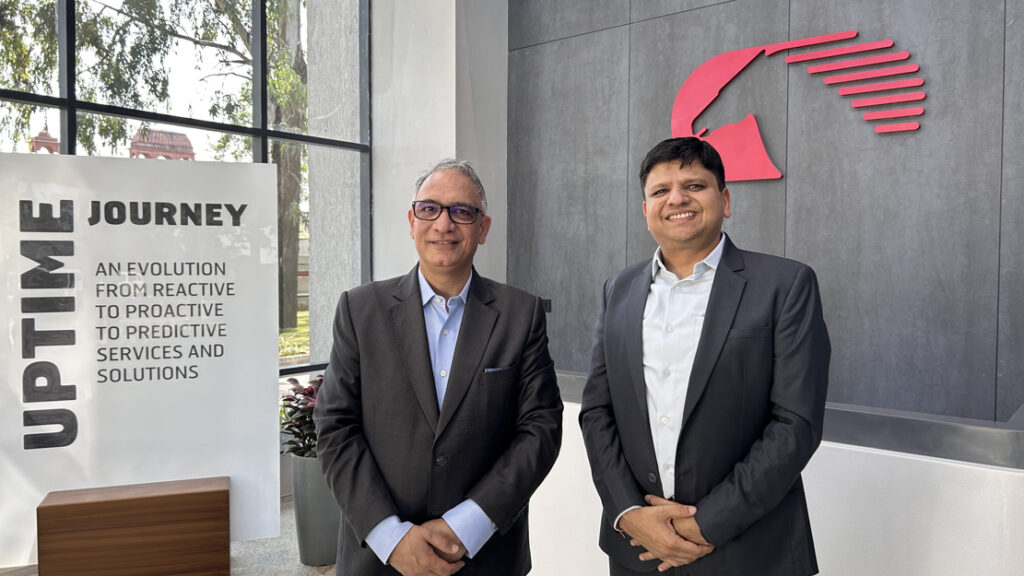
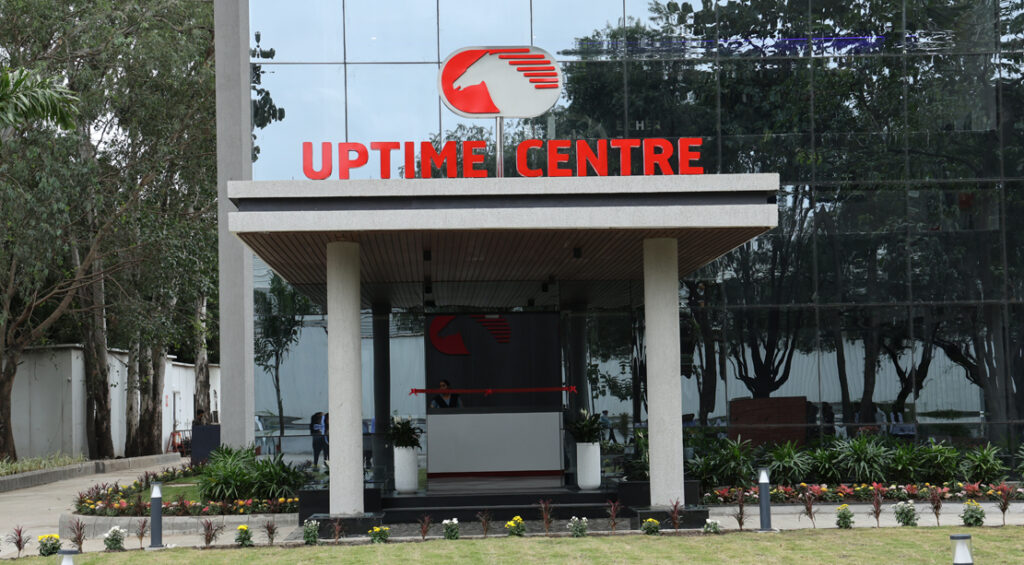
VE Commercial Vehicles (VECV) is taking its customer-support strategy into a new phase with the inauguration of its upgraded Uptime Centre and the introduction of Uptime Nxt. Building on years of experience in reducing vehicle downtime, the initiative brings connected-vehicle intelligence, predictive diagnostics, faster workshop coordination and customer advisory services into a more integrated ecosystem.
The objective is to identify potential failures earlier, coordinate technicians and parts more effectively, and help fleet owners improve vehicle availability, productivity and operating costs. For VECV, uptime is no longer limited to responding when a vehicle breaks down; it increasingly involves anticipating problems and helping customers operate more efficiently.
Introducing the initiative, Mr. Bhagwan K Bindiganavile, EVP, Strategic Planning, Brand & Communications, VE Commercial Vehicles, said commercial vehicles play an important role in India’s development. As infrastructure and logistics evolve, customer expectations of vehicles and aftersales support are also rising.
“What was good yesterday is no longer good today, and will definitely not be good tomorrow. We owe it to ourselves, our industry and the nation to keep pushing the boundaries of what is possible,” he said, emphasising the need for continuous improvement across the organisation.
For Bhagwan, technology is only one part of the equation. Teams across product development, manufacturing, sales and service must work together to ensure vehicles remain productive and customers receive timely support.
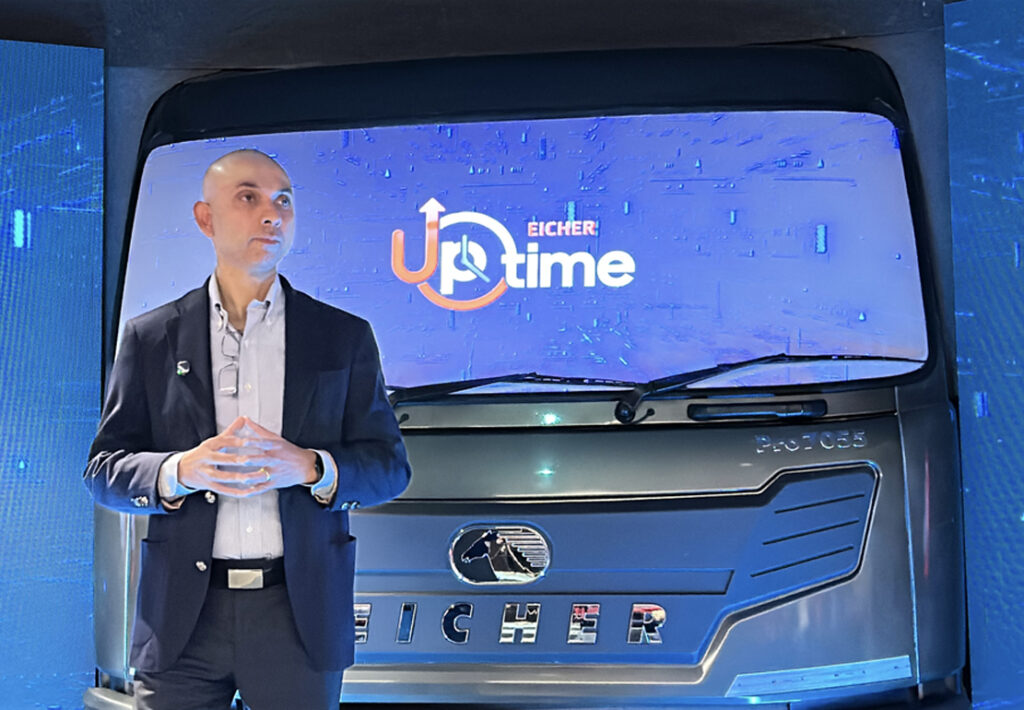
From Connectivity to Predictive Intervention
Eicher’s uptime journey developed from its focus on fuel efficiency and vehicle reliability. Drawing on the Volvo Group’s experience, VECV established its Uptime Centre in 2019. From 2020 onwards, Eicher trucks and buses in India were connected through factory-fitted telematics, providing the foundation for proactive monitoring and remote support.
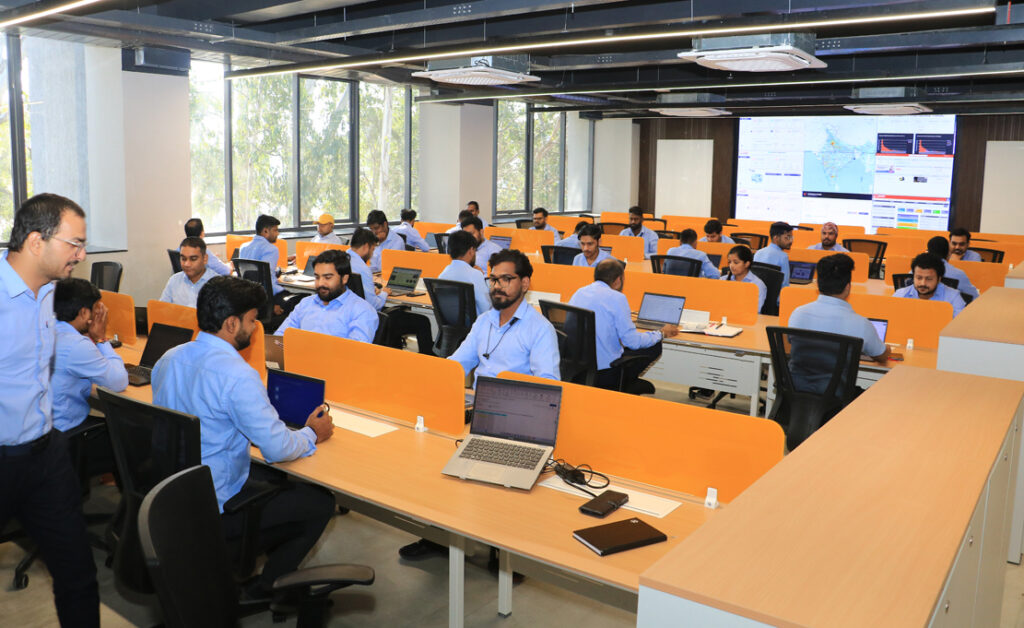
The centre initially focused on real-time alerts and workshop coordination. Digital job cards, support tickets and breakdown information enable teams to identify cases requiring attention and connect customers with diagnostic experts, field service personnel, vendors and parts support.
VECV reported more than 2.6 lakh connected vehicles, over 11,000 potential failures prevented through predictive analytics and more than 15 lakh repair orders processed. These figures demonstrate the scale of the connected ecosystem and the growing role of data in aftersales operations.
Mr. S. S. Gill, Chief Commercial Officer at VECV, believes the ultimate test of these initiatives is the value they deliver to transporters. While digital tools may be more familiar to younger operators, adoption ultimately depends on whether the technology helps customers meet commitments and improve business performance.
“Whatever the generation, transporters adopt what gives them a commercial advantage. If it helps them serve their customers, improve productivity and make money, it becomes a viable proposition,” he said, underlining the importance of linking technology to tangible operating benefits.
Dashboards That Turn Alerts into Action
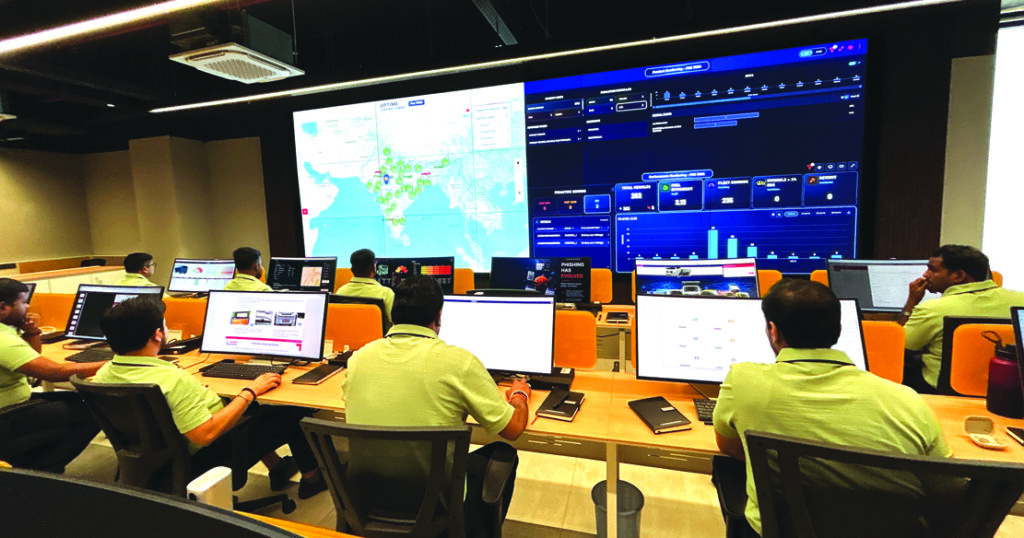
Explaining how the system works on the ground, Mr. Sumit Dewan, Senior Vice President, Customer Service & Network Strategy at VECV, described the dashboards used to monitor job cards, technical support tickets and breakdowns. These help teams determine where intervention is required, whether through remote diagnosis, a field visit, vendor assistance or the supply of a replacement part.
A key intervention is “Stop Now”, which applies when a critical fault requires the vehicle to be stopped immediately. The customer is alerted and an Eicher on-load service van is mobilised to reach the vehicle, typically within 30 to 35 minutes and, depending on circumstances, within an hour. The objective is to address the fault before it develops into a more serious failure.
“Do It Yourself” covers situations in which a driver can resolve an issue with remote guidance. Examples include certain fluid-level alerts or a required regeneration process. For issues that can safely wait until a delivery or unloading task is completed, the centre can also arrange a workshop visit in advance, with the bay, technician and required parts prepared for the vehicle’s arrival.
Mr. Dewan also highlighted the importance of safety-related support, including crash alerts, driver state monitoring systems and advanced driver assistance systems. Together, these capabilities can strengthen the response to incidents while supporting the broader goal of safer commercial vehicle operations, he explained.
GenAI and the Workshop of the Future
Under Uptime Nxt, VECV is extending digital support towards more intelligent diagnosis. A technician could describe a symptom in everyday language, such as “the vehicle has low pickup”, through an application. The system is intended to use vehicle-specific information to suggest probable causes, repair steps, the required part and an appropriately trained technician.
Multilingual interaction could make such guidance more accessible to technicians and drivers. Rather than relying entirely on manual troubleshooting, workshop personnel could use the system to narrow down possible causes and follow a more structured diagnostic process.
Mr. Dewan indicated that this approach could significantly reduce diagnosis time, potentially bringing processes that previously took hours down to minutes. A vehicle that will not start, for example, could have a battery, alternator, wiring or engine-related problem. Guided diagnosis can help technicians investigate systematically instead of replacing components without sufficient evidence, he said.
Mr. Gill sees the commercial significance in the cumulative effect of such improvements. Faster diagnosis, fewer unnecessary interventions and better coordination can help reduce downtime and improve vehicle utilisation. The benefits become more meaningful when they translate into more productive kilometres and better service for the transporter’s own customers, he observed.
Parts, Network and Customer Productivity
Identifying a fault is only the beginning; the right part, technician and workshop capacity must also be available. VECV’s parts systems use consumption patterns and algorithms to automate replenishment. The company ships more than 70,000 stock-keeping units monthly across its distribution centres, while daily delivery runs and a commitment to round-the-clock availability of fast-moving parts at workshops are intended to minimise waiting time.
The service network is another important part of the equation. VECV has more than 1,300 customer touchpoints, with over 80 additions in the first half of the year. The Uptime Centre also coordinates vendor repairs and other support requirements, helping connect remote diagnosis with action on the ground.
Mr. Gill highlighted priorities such as reducing diesel consumption, increasing trips and annual kilometres, improving logistics efficiency, and making driving safer and more comfortable. Better driver experience can also help fleet operators address driver retention, he said, noting that uptime must be viewed in the context of the customer’s overall business rather than as an isolated service metric.
From Service Intelligence to Fleet Advisory
VECV’s near-to-medium-term direction is to bring Uptime Nxt insights closer to customers through control towers and advisory tools. These are intended to help fleet operators understand where improvements are possible and which interventions are likely to deliver the greatest benefit.
For example, data could help identify drivers who would benefit most from specific training, instead of applying the same programme to everyone. Fleet managers could then focus on fuel efficiency, safety, driving behaviour and productive vehicle use. The approach is designed to make advice more relevant to individual operating needs, Mr. Dewan explained.
Aggregated repair and fault data can also reveal application-specific issues, monsoon-related challenges, parts demand and gaps in workshop coverage. Such insights can inform service planning, workshop locations, operating hours and future product development. The objective is to use field experience and connected-vehicle information to improve both current support and longer-term solutions.
Ultimately, Uptime Nxt seeks to make uptime a shared commitment across technology, people, parts and the service network. Its success will be measured not by dashboards or artificial intelligence alone, but by whether customers experience faster repairs, fewer avoidable failures and more productive vehicles. By combining predictive intervention with practical fleet advice, VECV is positioning aftersales support as an active contributor to customer profitability and India’s evolving logistics efficiency.