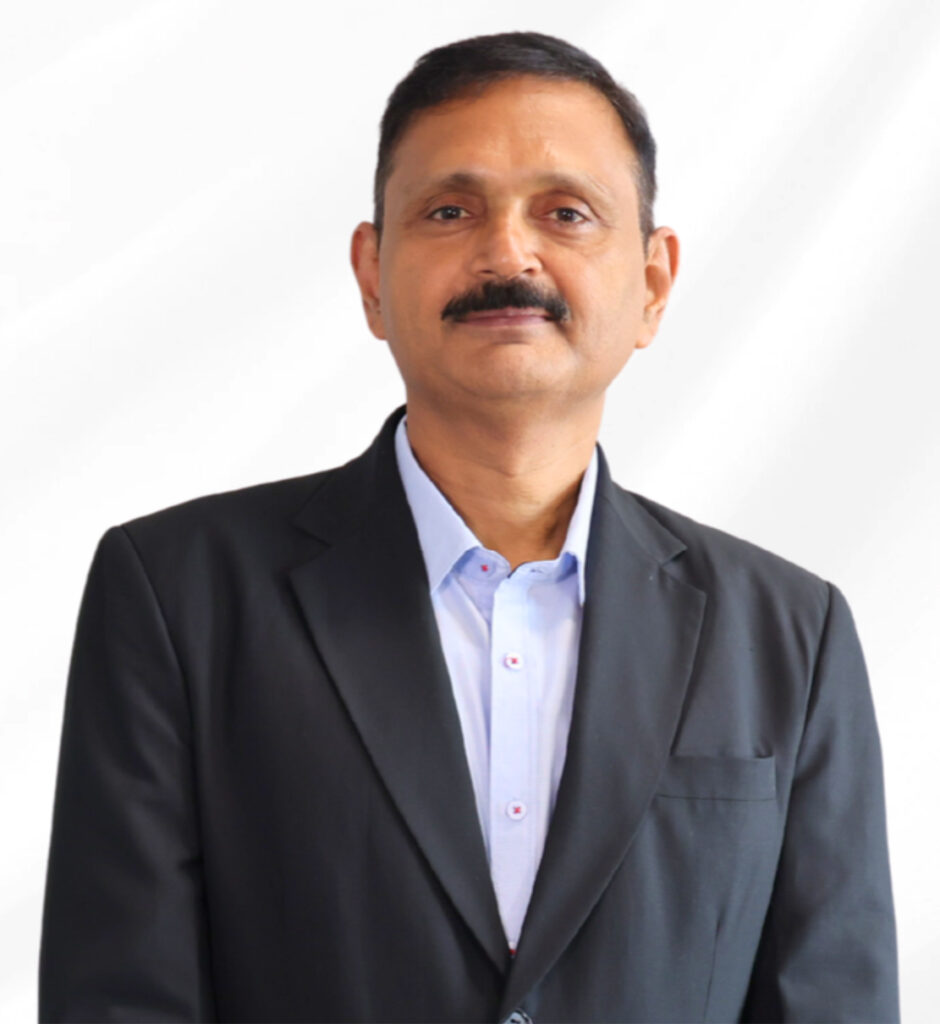
In this exclusive interview with MOTORINDIA, Mr. Sunil Dixit, Managing Director & CEO, SATRAC, shares his leadership philosophy, the company’s growth priorities and his vision for positioning SATRAC as a leading player in India’s commercial transportation equipment industry.
You bring over three decades of experience across manufacturing, engineering, supply chain and customer-facing operations. How has this journey shaped your leadership philosophy, and what are the key learnings you bring to SATRAC?
My experience across different functions and business environments has taught me to look at an organisation from multiple perspectives. Over the years, I have developed a deep appreciation for strong manufacturing foundations, sound engineering practices, quality, capable teams and, above all, the importance of understanding the customer. When a customer’s entire business depends on the performance of your product, reliability and consistency become non-negotiable.
One of the biggest lessons from my journey has been the importance of getting the fundamentals right. Processes matter, but equally important are the people who make them work. Disciplined execution, continuous learning and the ability to evolve with changing business requirements make a lasting difference. I bring this pragmatic, customer-focused approach to SATRAC, along with considerable respect for the foundation that the team has built.
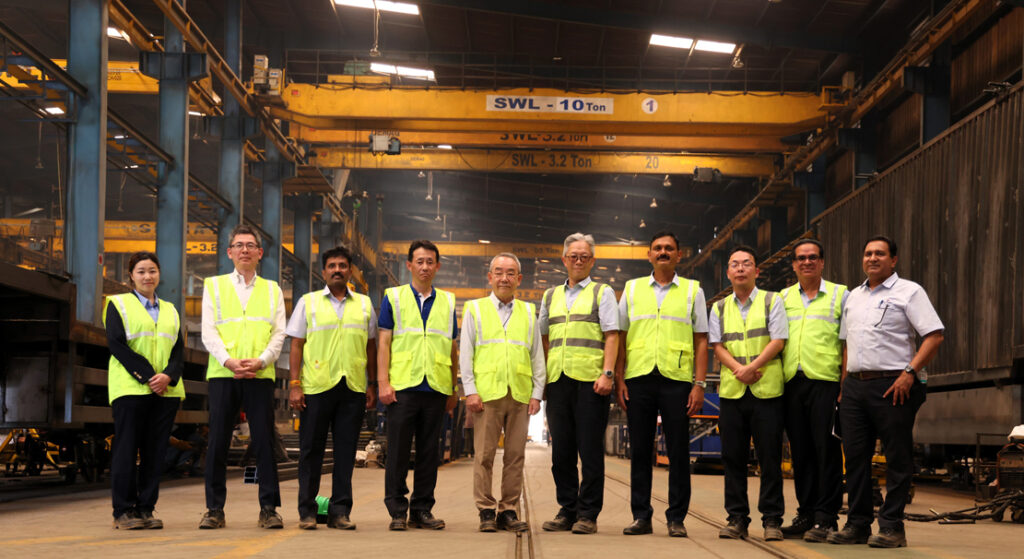
I see tremendous potential in SATRAC. The company has developed considerable expertise in application-specific tippers, trailers and truck bodies, while building enduring relationships with customers. Its association with the renowned Kyokuto Group further strengthens its engineering capabilities through access to global expertise and experience.
I also recognise and appreciate the contribution of Mrinal Bantwal and the entire team in bringing SATRAC to its present position. When you assume a leadership role in an established organisation, you inherit much more than a business. You inherit years of experience, customer relationships and the expectations built over time. My approach is to first understand and respect that legacy before determining the next course of action. There is much to learn from what has worked, while also identifying opportunities to do things differently. The priority now is to translate this understanding into clear objectives for the future.
India’s infrastructure, mining and logistics sectors are witnessing significant growth, creating new opportunities for commercial transportation equipment manufacturers. How does SATRAC plan to capitalise on this momentum, and what are your immediate priorities?
India’s infrastructure, mining and logistics sectors are expanding, placing greater demands on the commercial transportation equipment industry. Customers increasingly need vehicles and equipment that can carry higher loads, withstand demanding operating conditions and minimise downtime. They are also becoming more conscious of the total cost of ownership over the product’s operational life.
SATRAC’s reputation for durable, long-lasting quality gives us a strong foundation. However, customer requirements vary considerably depending on the application. Equipment operating in mining, for instance, faces very different challenges from a trailer used primarily for highway transportation. Understanding these operating conditions is essential to developing products that deliver consistent performance in the field.
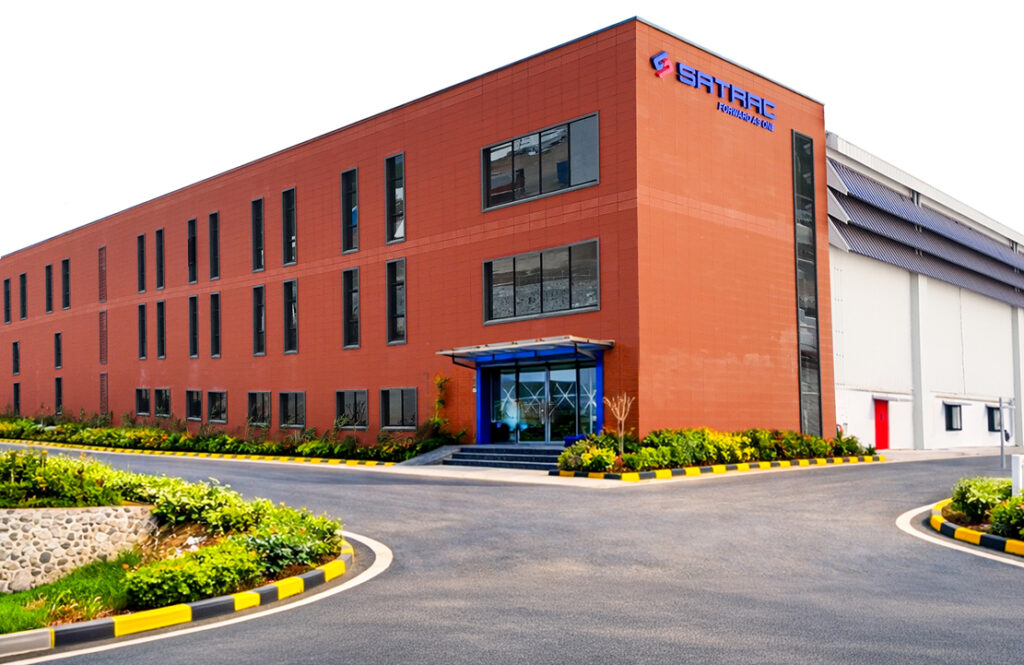
Our new Chennai facility represents a significant milestone in this journey. Our immediate priority is to ramp up production while maintaining the quality standards our customers expect from SATRAC. Capacity expansion, quality and delivery must progress together. This will be critical as we scale operations and work towards establishing new benchmarks.
We are also evaluating the possibility of setting up another manufacturing location in India. The decision is still open and will depend on market demand and the geographical requirements of our customers. Our broader commitment is to strengthen our manufacturing footprint and serve customers more effectively across the country.
Alongside these expansion plans, we are equally focused on strengthening everyday operations. Improving coordination between teams, resolving issues faster and ensuring that service and spares keep pace with our growing customer base are important priorities. These operational improvements may not always be visible externally, but they have a direct impact on product quality and the overall customer experience.
As the industry evolves and customer expectations change, we must ensure that operational discipline goes hand in hand with the ability to anticipate and respond to emerging trends.
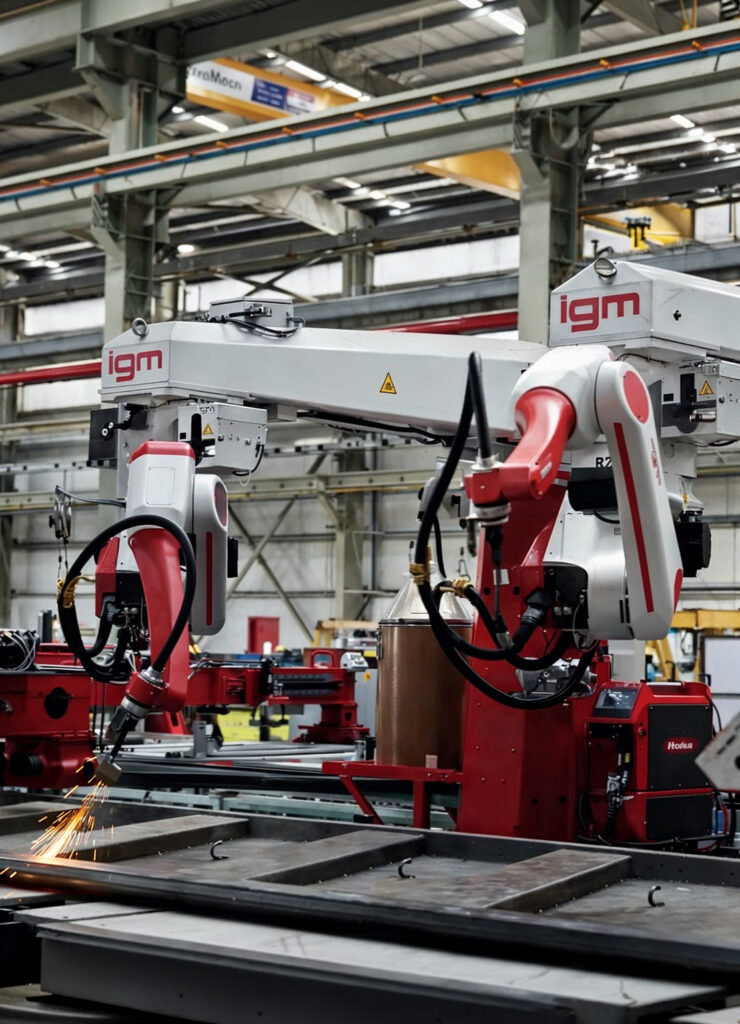
Innovation and technology are reshaping the commercial vehicle and transportation equipment landscape, particularly with the growing focus on electrification. How is SATRAC preparing its product portfolio for these changes?
Innovation in our industry is often practical and application-driven. It is about creating greater value and efficiency for customers. This could mean improving structural strength without increasing weight, simplifying maintenance or finding more efficient ways to engineer a component. Even relatively small improvements can make a meaningful difference over several years of operation.
Electrification presents a broader opportunity for the industry. However, developing solutions for electric commercial vehicles requires careful consideration of factors such as weight, driving range, load distribution and application-specific operating requirements. Close collaboration with OEMs will be essential as these considerations become increasingly important.
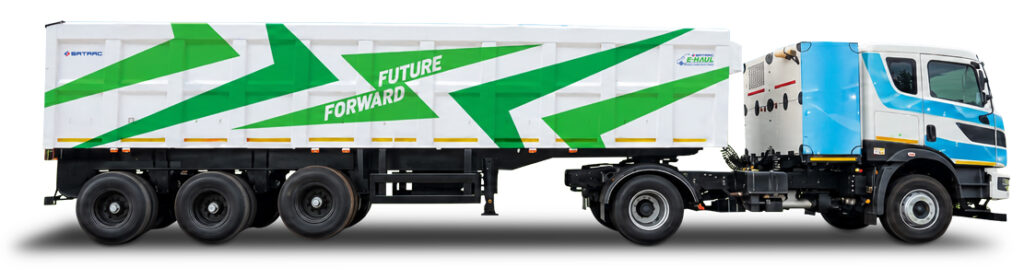
SATRAC’s E-Haul, an advanced trailer solution for electric trucks, represents an important step in this direction. It reflects our approach of anticipating industry changes and developing solutions rather than waiting for new technologies to become mainstream. Our association with the Kyokuto Group also provides access to wider engineering expertise that can support future product development.
Beyond electrification, we will continue exploring products and solutions that address emerging customer requirements. Our focus will remain on identifying areas where better engineering and technology can translate into tangible customer benefits.
Are exports also part of SATRAC’s longer-term growth strategy? What opportunities are you currently exploring in this area?
Yes, we are undertaking considerable groundwork to explore export markets. This requires a careful assessment of markets where our products have a clear application fit, along with an understanding of the modifications that may be necessary to meet different operating and regulatory requirements.
We see exports as an opportunity to extend our reach, but it is important to approach this strategically and build the right foundations. We are evaluating these opportunities alongside our plans to expand domestic manufacturing.
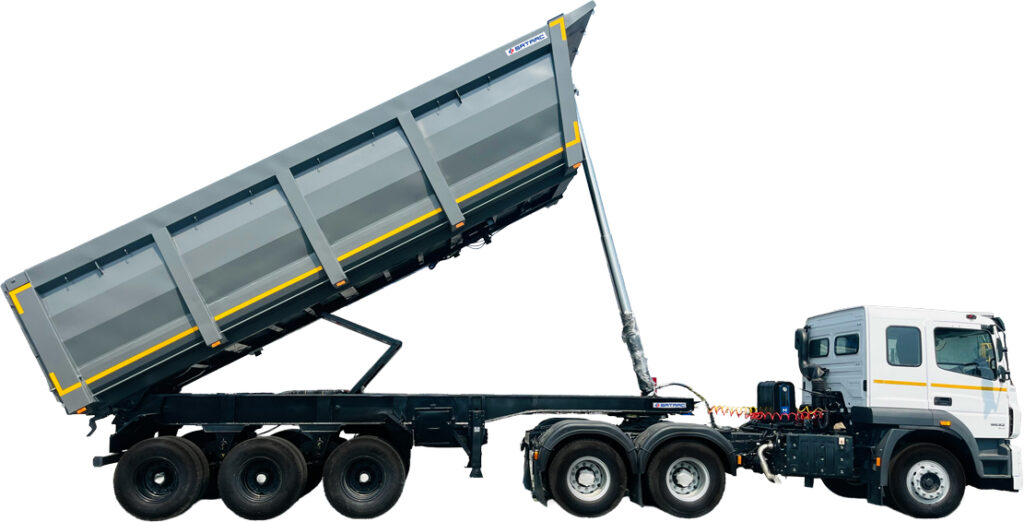
Ultimately, the larger question is what we want SATRAC to represent in the market five years from now. For me, the answer lies in scaling our capacity responsibly, broadening our customer solutions through technology and innovation, and continually improving execution across quality, delivery and service. We want SATRAC to be recognised for the strength of its engineering and the dependability of its solutions.
Looking five years ahead, where would you like to see SATRAC positioned in the Indian commercial transportation industry? What will be the key pillars of this vision?
Five years from now, I would like SATRAC to be recognised as a leading name in high-quality, durable and well-engineered tippers, trailers and truck bodies. Our ambition is to build products that meet the requirements of demanding applications and deliver sustained value throughout their operational lives.
Our people will be central to achieving this vision. As the organisation grows, we must create opportunities for employees to take on greater responsibilities, develop their capabilities and contribute beyond their immediate roles. The future of any company depends not just on the infrastructure it builds, but equally on the judgement, skills and commitment of the people who drive it forward.
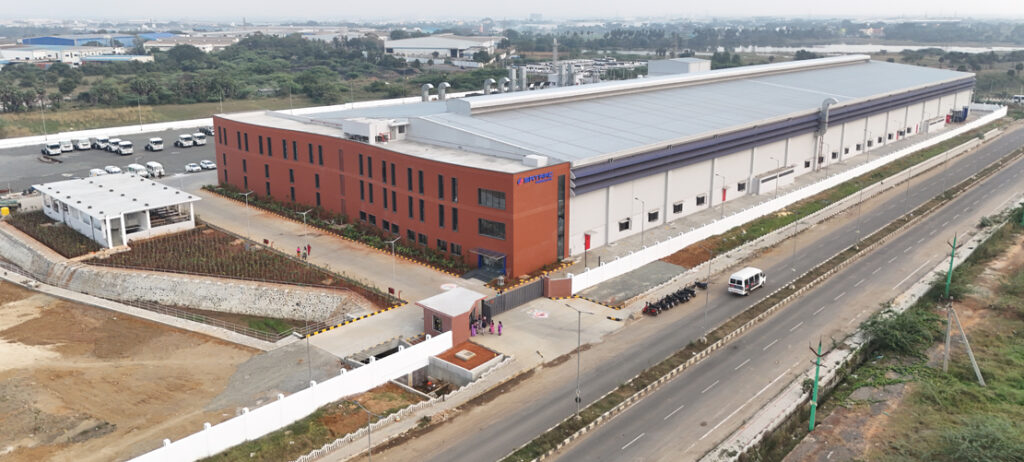
This is also where our philosophy of ‘Forward As One’ becomes particularly meaningful. It represents a simple but important idea: the best outcomes are achieved when employees, customers and OEM partners bring their respective strengths together. Everyone has a role to play, and sustainable progress depends on how effectively these contributions are aligned.
I expect the coming years to bring both opportunities and challenges. My immediate focus will be on ramping up production at our new Chennai facility, strengthening quality and delivery across operations, developing our people and deepening collaboration with retail customers and OEM partners. Equally important is maintaining clarity in our priorities and ensuring that our ambitions remain firmly grounded in what we can deliver.
SATRAC has the opportunity to play a much larger role in India’s commercial transportation industry. I look forward to working with the entire team to translate this ambition into reality.